Ukraine Expands Air Defense Network as Winter Strikes Intensify

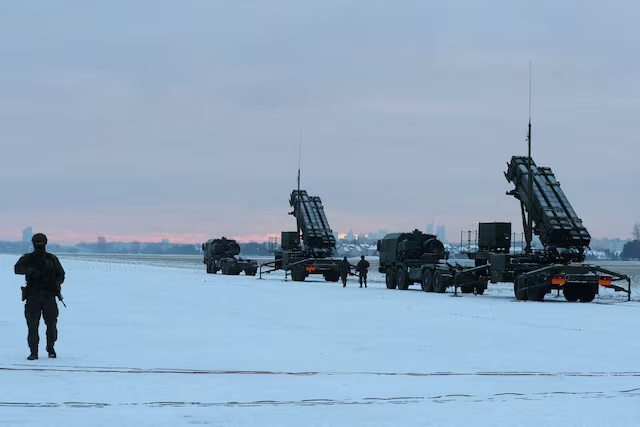
Intercept rates rise while pressure grows on power infrastructure
Ukraine says new air defense deployments are improving interception rates as Russian long-range strikes continue into early January, keeping energy systems under strain.
The Ukrainian military reported another wave of drone and missile attacks targeting energy and logistics hubs across multiple regions. Officials said most incoming threats were intercepted, but falling debris and occasional breaches caused localized damage and rolling outages. Winter temperatures have raised the stakes, pushing air defense and grid protection to the center of Kyiv’s war planning.

Military analysts say the pattern reflects a sustained campaign aimed less at territorial gains and more at exhausting civilian resilience. Russia has relied heavily on mixed salvos combining drones, cruise missiles, and ballistic systems to complicate interception. Ukraine’s response has been to widen radar coverage, rotate interceptor units, and improve coordination with power operators to reduce downtime after strikes.
New layers and partners in the shield
Ukrainian officials said newly delivered systems and upgraded radar integration have expanded coverage around key cities and transport corridors. While specifics were not disclosed, Kyiv confirmed closer operational coordination with Western partners supplying interceptors, spare parts, and training. The focus has been on countering low-cost drones at scale while preserving high-value missiles for more complex threats.

Energy authorities said emergency repairs were completed within hours in most affected areas. Crews have pre-positioned equipment and mobile generators to keep hospitals and water facilities running. Officials acknowledged that some rural regions remain more vulnerable due to distance from dense air defense nodes, prompting temporary power rationing during peak demand.
Public messaging has emphasized resilience rather than promises of total protection. Air raid alerts remain frequent, and residents are urged to follow shelter guidance. Kyiv has also stepped up counter-drone measures near substations, including electronic warfare and physical barriers designed to limit secondary damage from falling debris.
Diplomatic pressure and resource strain
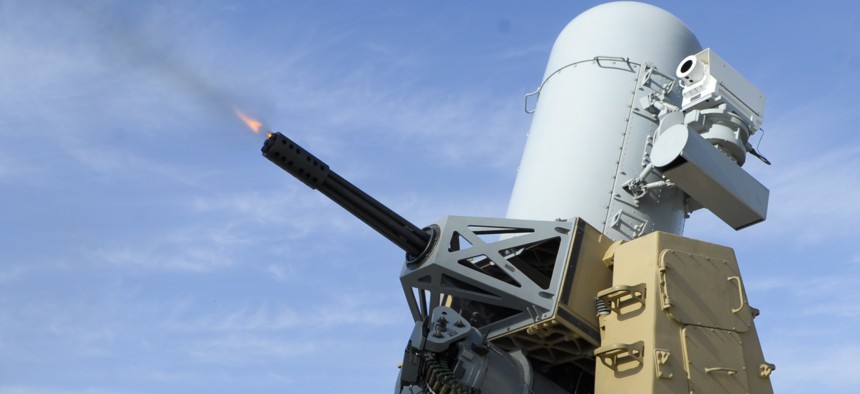
The intensified winter campaign has renewed diplomatic efforts to secure additional air defense assets. Ukrainian leaders argue that each intercepted missile saves months of reconstruction costs and prevents humanitarian fallout. Western governments have signaled continued support but face their own stockpile constraints and budget debates.
Russia has denied targeting civilians, saying its strikes focus on military-related infrastructure. Independent assessments, however, note repeated hits near energy facilities and urban areas. The back-and-forth underscores a strategic impasse as both sides seek leverage ahead of any renewed diplomatic initiatives.
For Ukraine, the coming weeks will test whether expanded defenses can keep pace with sustained pressure. The balance between interception capacity, energy repairs, and public morale will shape how the winter campaign is remembered.