2:45 am, Sunday, 11 January 2026

Man accused of stealing Beyoncé’s unreleased music pleads not guilty

Sarakhon Report

Alleged theft of hard drives containing tour plans leads to felony charges

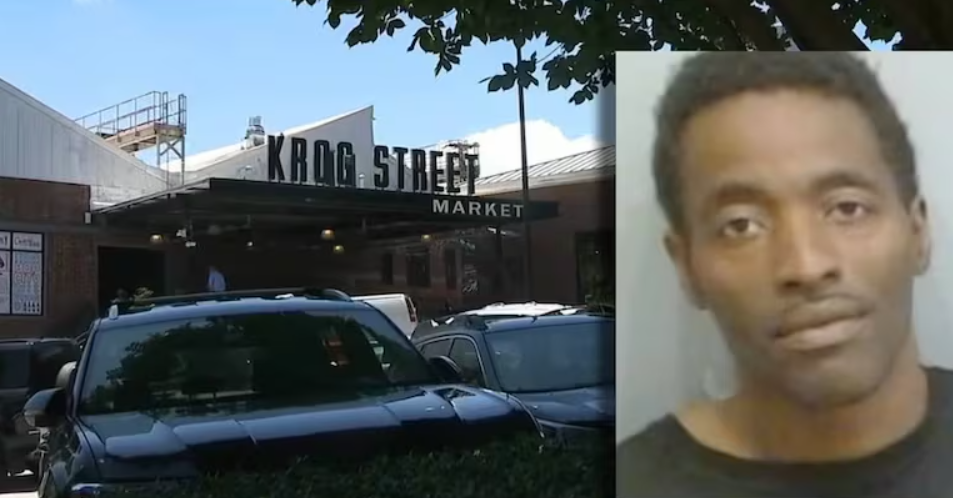
Rolling Stone reported on January 9 that Kelvin Evans, the man accused of stealing unreleased Beyoncé music and confidential tour documents, has pleaded not guilty in a Georgia courtroom. Prosecutors say Evans stole two hard drives from a rental car used by the pop star’s film director during the summer leg of her “Cowboy Carter” tour. The drives allegedly contained unreleased songs, stage designs, set lists and other sensitive materials. Evans is charged with felony burglary, theft by taking and criminal damage, along with misdemeanour counts for unauthorized use of a motor vehicle. According to court records, he turned himself in months after the theft but maintains that he found the bag with the drives on the floor of the vehicle and intended to return it. The case has drawn attention because of the potential leak of music by one of the world’s biggest recording artists.

The theft occurred in Atlanta in July 2025, when members of Beyoncé’s production team left equipment in a parked Mercedes. Security footage reportedly shows a man breaking into the car and taking a duffel bag containing two LaCie hard drives. The drives held watermarked audio files and detailed plans for future concerts, which are considered trade secrets. Investigators say Evans later attempted to contact associates of the singer in hopes of selling the material. His defence attorney counters that he merely wanted to return the bag and that prosecutors have overstated the evidence. After police identified him through surveillance images, Evans surrendered to authorities in December and was released on a $15,000 bond. A preliminary hearing is scheduled for February 11, at which a judge will decide whether there is enough evidence to proceed to trial.

Intellectual property vulnerabilities in the streaming age

The case underscores the vulnerability of artists to theft and leaks in an era when unreleased content can spread online instantly. Beyoncé’s management has historically been meticulous about security, often requiring collaborators to sign non‑disclosure agreements and using watermarks to trace leaks. Nevertheless, high‑profile artists remain targets because unreleased tracks can fetch high prices on black markets or generate buzz among fans. In recent years, hackers and insiders have leaked unfinished albums by Madonna, Kanye West and others. Record labels have responded by tightening security and pursuing aggressive legal action. Rolling Stone notes that this is not the first time someone close to Beyoncé has faced allegations over unreleased material; in 2018, a former employee was accused of leaking songs from the “Everything Is Love” sessions. That case was settled quietly, but it set a precedent for holding individuals accountable.

Evans’ not‑guilty plea does not absolve him. Prosecutors intend to argue that his possession of the drives and the circumstances of the theft prove intent to steal, regardless of whether he planned to profit. If convicted, he could face several years in prison and be ordered to pay restitution. The incident has rattled Beyoncé’s fan base, with supporters urging one another not to share any leaked audio that might emerge. It also highlights the broader challenge of safeguarding creative work in the digital era. Artists increasingly store music and visuals on portable drives and cloud services, both of which are susceptible to theft. As Evans awaits his next court date, the industry will be watching to see whether the case sets new legal standards for protecting intellectual property.


05:30:13 pm, Friday, 9 January 2026

Man accused of stealing Beyoncé’s unreleased music pleads not guilty

05:30:13 pm, Friday, 9 January 2026

Alleged theft of hard drives containing tour plans leads to felony charges

Rolling Stone reported on January 9 that Kelvin Evans, the man accused of stealing unreleased Beyoncé music and confidential tour documents, has pleaded not guilty in a Georgia courtroom. Prosecutors say Evans stole two hard drives from a rental car used by the pop star’s film director during the summer leg of her “Cowboy Carter” tour. The drives allegedly contained unreleased songs, stage designs, set lists and other sensitive materials. Evans is charged with felony burglary, theft by taking and criminal damage, along with misdemeanour counts for unauthorized use of a motor vehicle. According to court records, he turned himself in months after the theft but maintains that he found the bag with the drives on the floor of the vehicle and intended to return it. The case has drawn attention because of the potential leak of music by one of the world’s biggest recording artists.

The theft occurred in Atlanta in July 2025, when members of Beyoncé’s production team left equipment in a parked Mercedes. Security footage reportedly shows a man breaking into the car and taking a duffel bag containing two LaCie hard drives. The drives held watermarked audio files and detailed plans for future concerts, which are considered trade secrets. Investigators say Evans later attempted to contact associates of the singer in hopes of selling the material. His defence attorney counters that he merely wanted to return the bag and that prosecutors have overstated the evidence. After police identified him through surveillance images, Evans surrendered to authorities in December and was released on a $15,000 bond. A preliminary hearing is scheduled for February 11, at which a judge will decide whether there is enough evidence to proceed to trial.

Intellectual property vulnerabilities in the streaming age

The case underscores the vulnerability of artists to theft and leaks in an era when unreleased content can spread online instantly. Beyoncé’s management has historically been meticulous about security, often requiring collaborators to sign non‑disclosure agreements and using watermarks to trace leaks. Nevertheless, high‑profile artists remain targets because unreleased tracks can fetch high prices on black markets or generate buzz among fans. In recent years, hackers and insiders have leaked unfinished albums by Madonna, Kanye West and others. Record labels have responded by tightening security and pursuing aggressive legal action. Rolling Stone notes that this is not the first time someone close to Beyoncé has faced allegations over unreleased material; in 2018, a former employee was accused of leaking songs from the “Everything Is Love” sessions. That case was settled quietly, but it set a precedent for holding individuals accountable.

Evans’ not‑guilty plea does not absolve him. Prosecutors intend to argue that his possession of the drives and the circumstances of the theft prove intent to steal, regardless of whether he planned to profit. If convicted, he could face several years in prison and be ordered to pay restitution. The incident has rattled Beyoncé’s fan base, with supporters urging one another not to share any leaked audio that might emerge. It also highlights the broader challenge of safeguarding creative work in the digital era. Artists increasingly store music and visuals on portable drives and cloud services, both of which are susceptible to theft. As Evans awaits his next court date, the industry will be watching to see whether the case sets new legal standards for protecting intellectual property.