
Iran’s internet blackout deepens crisis as protests spread

Government cuts communication and cancels flights amid rising unrest
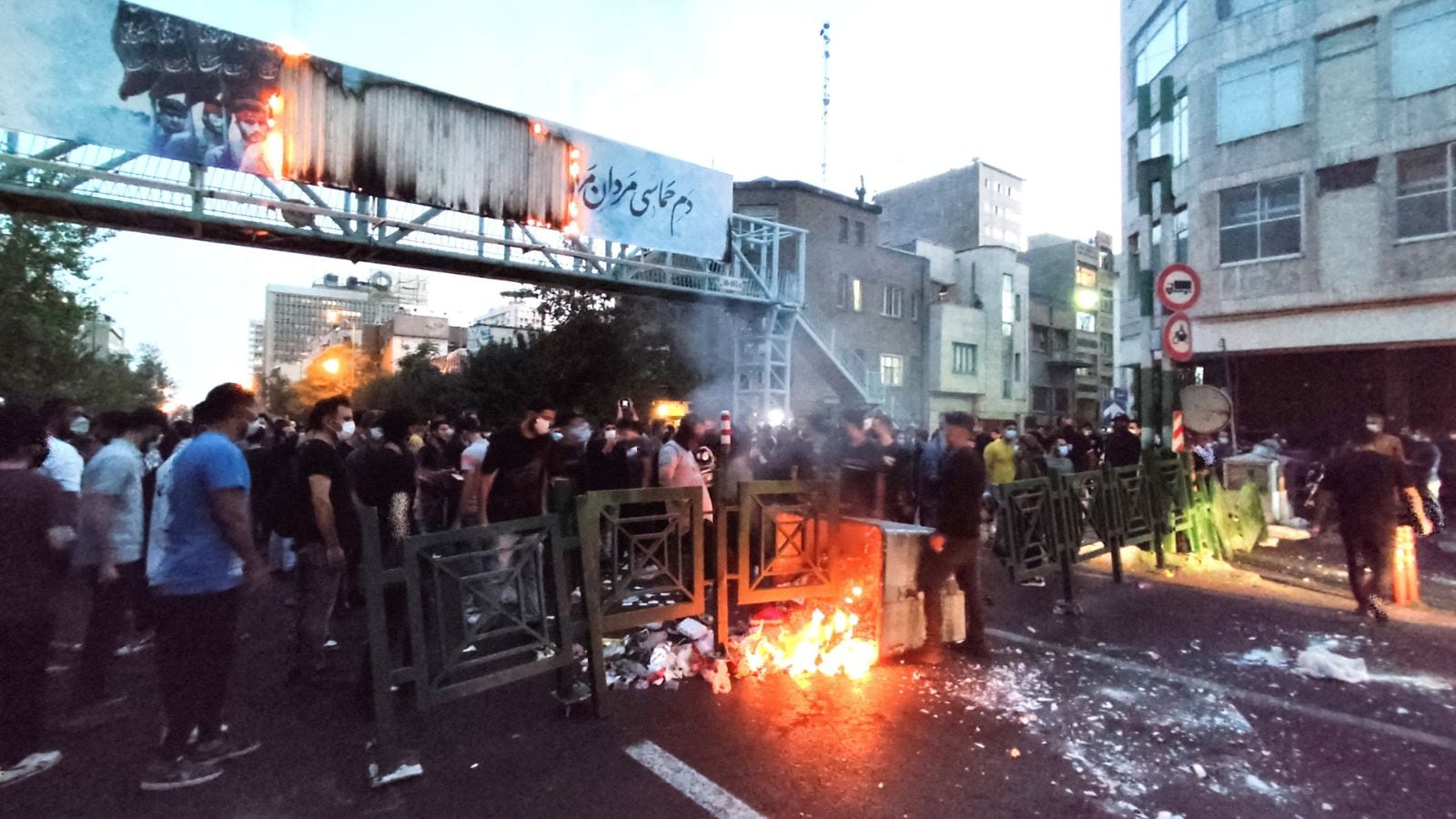
The Islamic Republic plunged into near isolation on January 9 when authorities shut down the internet and blocked phone lines in an attempt to suppress the most widespread protests in three years. Commercial flights between Dubai and major Iranian cities were cancelled, and even local news websites struggled to update. The unrest began weeks ago as inflation surged past 40 percent, eroding savings and triggering shortages as the rial currency lost half its value. Videos shared on social media before the blackout showed flames engulfing buses and banks while crowds chanted anti‑government slogans, defying warnings from security forces. Rights groups say dozens of people have been killed, although Reuters has been unable to verify many reports because of the information blackout. The protests now span all of Iran’s provinces, reflecting anger not just over the economy but over corruption and authoritarian rule.
Supreme Leader Ayatollah Ali Khamenei addressed the nation in a televised speech, accusing demonstrators of acting on behalf of U.S. President Donald Trump and warning that Iran would not tolerate “mercenaries for foreigners.” He claimed that a group of “vandals” had destroyed a public building “to please the heart of the president of the United States,” urging Trump to “manage your own country.” The comments came after state television aired footage of burning vehicles in the Caspian port of Rasht and other cities, blaming the People’s Mujahedin Organization (MKO) for fomenting unrest. Khamenei’s remarks were designed to delegitimise protesters by portraying them as traitors aligned with exiled opposition groups. However, the breadth of the demonstrations suggests discontent that cuts across society, from young unemployed men to middle‑class families struggling with rising food and fuel prices. While the government has acknowledged some legitimate grievances, it has simultaneously deployed riot police and plain‑clothed security officers to quash rallies and arrest activists.
Inflation, sanctions and external opposition add pressure
Analysts say Iran’s leaders face a perfect storm of domestic and external pressures. U.S. sanctions re‑imposed after the collapse of the nuclear deal have cut oil revenues and exacerbated shortages of imported goods, while mismanagement has left the health and education systems underfunded. The protests were initially sparked by skyrocketing grocery and energy costs, but they quickly morphed into chants of “Death to the dictator” and praise for the late Shah. Exiled crown prince Reza Pahlavi posted a message on social media urging Iranians to “take to the streets” because “the eyes of the world are upon you.” Trump, who last summer ordered air strikes against Iranian facilities, told reporters he would not meet Pahlavi and was “not sure it would be appropriate” to back him. The divergent messages underscore the fragmentation of Iran’s opposition abroad and the lack of a cohesive alternative to the Islamic Republic.
Inside Iran, authorities are employing a dual strategy: acknowledging economic hardships while cracking down on what they describe as foreign‑backed riots. Officials have offered modest fuel and bread subsidies and pledged to investigate corruption, yet they have arrested journalists and blocked access to messaging apps. The last time the country faced protests of this magnitude was in 2022 after the death of Mahsa Amini in morality‑police custody. Those demonstrations focused on women’s rights and were ultimately suppressed through mass detentions and violence. This time, anger is fuelled by empty wallets as well as political repression. Observers warn that an extended blackout could hamper relief efforts and hit trade, deepening the economic malaise. At the same time, the blackout has galvanized diaspora communities, who have organised solidarity rallies in Europe and North America.
Diplomats are calling for restraint. A French official urged Tehran to exercise “maximum restraint” and respect protesters’ rights. Human rights groups want the U.N. Human Rights Council to convene an emergency session, arguing that collective punishment via internet shutdowns violates international norms. Whether the protests will coalesce into a coherent movement or be crushed like previous uprisings remains uncertain. Iran has quelled larger demonstrations before, yet it now confronts an unprecedented combination of economic hardship, generational change and international pressure. For ordinary Iranians cut off from the outside world, the blackout compounds fears of isolation while deepening resolve to seek change.