10:27 pm, Tuesday, 10 March 2026

G7 Holds Back on Emergency Oil Reserve Release as Iran War Sends Prices Past $119

Sarakhon Report

The war in Iran has triggered the largest oil supply disruption in modern history, with the closure of the Strait of Hormuz cutting off roughly 20 percent of global oil exports. Finance ministers from the G7 nations convened Monday in an emergency virtual session to discuss whether to release strategic petroleum reserves, but left without reaching an agreement.

French Finance Minister Roland Lescure, who chaired the meeting, told reporters the group was “not there yet” on a coordinated reserve release, though ministers issued a joint statement saying they “stand ready to take necessary measures, including to support global supply of energy such as stockpile release.”
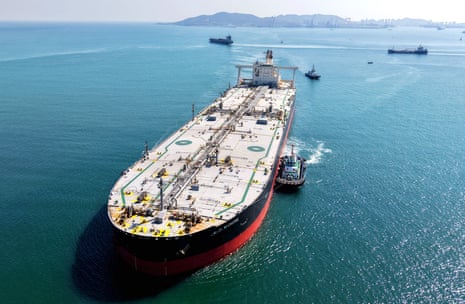
Why has the Iran war sparked fears of stagflation for the global economy? |  Oil | The Guardian
Prices spike, then pull back

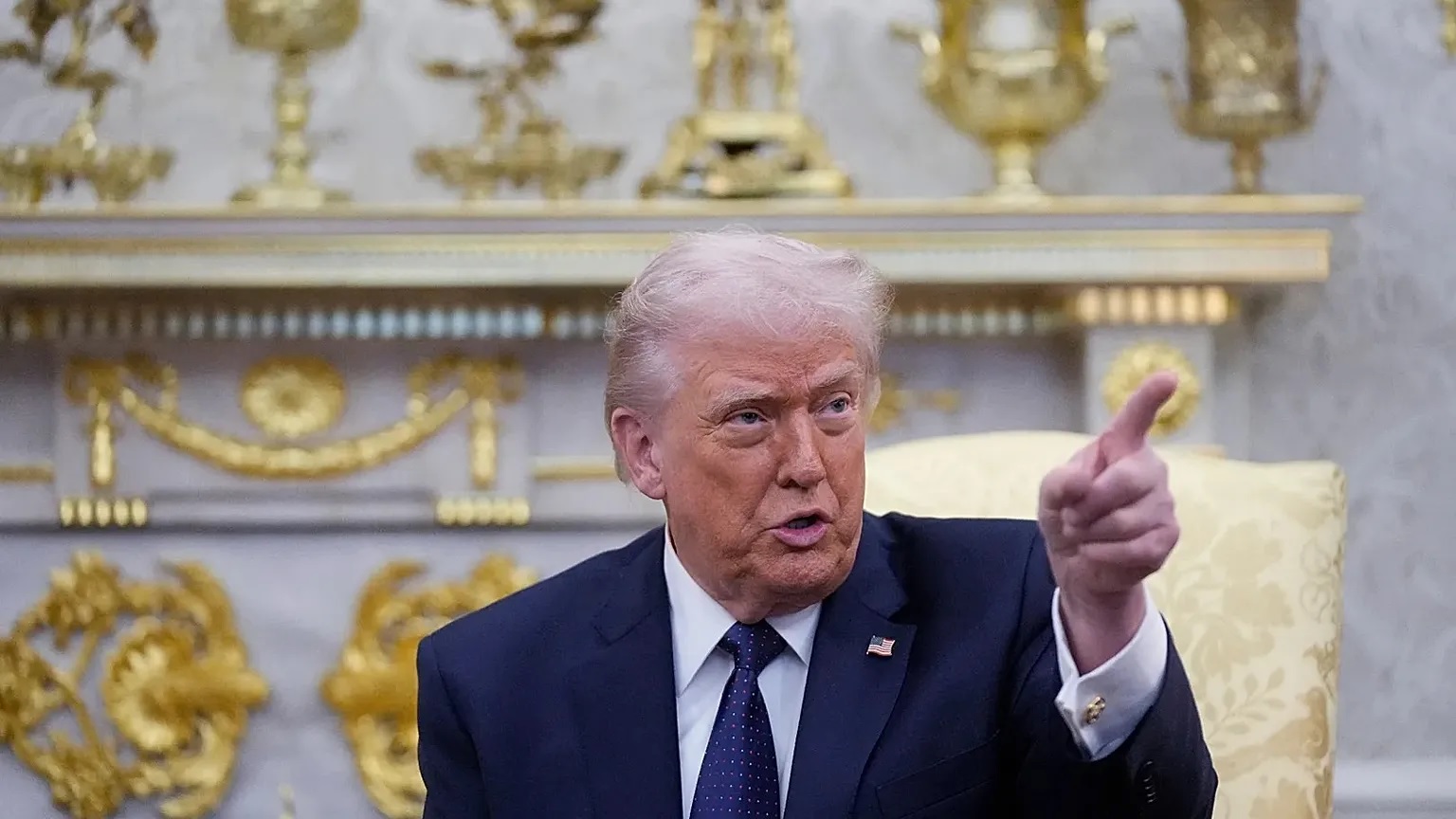
Brent crude hit $119.50 per barrel and US West Texas Intermediate reached $119.48 during Monday trading, the first time oil has crossed $100 since Russia’s invasion of Ukraine in 2022. Prices pulled back after President Donald Trump said he was considering seizing control of the Strait of Hormuz and suggested the war would soon end.

G7 energy ministers were scheduled to hold a follow-up virtual meeting Tuesday morning to continue deliberations. US officials have indicated
a joint release of 300 to 400 million barrels, representing 25 to 30 percent of combined reserves, would be appropriate.

Oil prices ease after record jump as G7 considers emergency reserve  release. Is it enough? | investingLive

Relief limited even if reserves are tapped

Analysts caution that even a large coordinated release will provide only partial relief. Consulting firm Rapidan Energy notes that Saudi Arabia and the UAE, which normally compensate for supply disruptions by raising output, are themselves cut off from global markets due to the strait’s closure. Rystad Energy projects Brent could reach $110 if disruptions last two months and $135 if they persist for four.

IEA Executive Director Fatih Birol said member countries collectively hold more than 1.2 billion barrels of public emergency stocks, with an additional 600 million barrels held under government obligations by industry.

06:11:17 pm, Tuesday, 10 March 2026

G7 Holds Back on Emergency Oil Reserve Release as Iran War Sends Prices Past $119

06:11:17 pm, Tuesday, 10 March 2026

The war in Iran has triggered the largest oil supply disruption in modern history, with the closure of the Strait of Hormuz cutting off roughly 20 percent of global oil exports. Finance ministers from the G7 nations convened Monday in an emergency virtual session to discuss whether to release strategic petroleum reserves, but left without reaching an agreement.

French Finance Minister Roland Lescure, who chaired the meeting, told reporters the group was “not there yet” on a coordinated reserve release, though ministers issued a joint statement saying they “stand ready to take necessary measures, including to support global supply of energy such as stockpile release.”

Why has the Iran war sparked fears of stagflation for the global economy? |  Oil | The Guardian
Prices spike, then pull back

Brent crude hit $119.50 per barrel and US West Texas Intermediate reached $119.48 during Monday trading, the first time oil has crossed $100 since Russia’s invasion of Ukraine in 2022. Prices pulled back after President Donald Trump said he was considering seizing control of the Strait of Hormuz and suggested the war would soon end.

G7 energy ministers were scheduled to hold a follow-up virtual meeting Tuesday morning to continue deliberations. US officials have indicated
a joint release of 300 to 400 million barrels, representing 25 to 30 percent of combined reserves, would be appropriate.

Oil prices ease after record jump as G7 considers emergency reserve  release. Is it enough? | investingLive

Relief limited even if reserves are tapped

Analysts caution that even a large coordinated release will provide only partial relief. Consulting firm Rapidan Energy notes that Saudi Arabia and the UAE, which normally compensate for supply disruptions by raising output, are themselves cut off from global markets due to the strait’s closure. Rystad Energy projects Brent could reach $110 if disruptions last two months and $135 if they persist for four.

IEA Executive Director Fatih Birol said member countries collectively hold more than 1.2 billion barrels of public emergency stocks, with an additional 600 million barrels held under government obligations by industry.