Research Begins to Detect Drug-Resistant Malaria for the First Time in Rohingya Camps in Cox’s Bazar

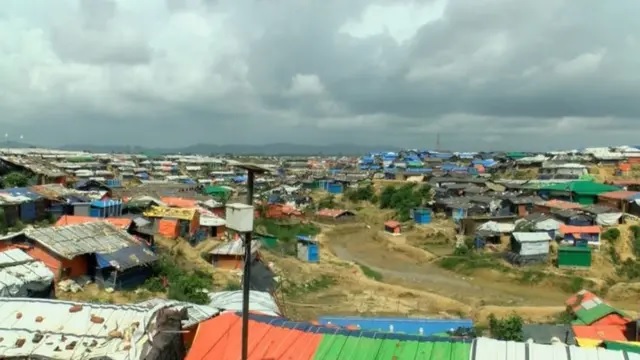
A surveillance study has been launched by icddr,b to detect drug-resistant malaria in the Rohingya camps of Cox’s Bazar for the first time. With the risk of such parasites spreading from Myanmar, this initiative is considered an important step toward achieving Bangladesh’s goal of eliminating malaria.
Background and Start of the Study
The International Centre for Diarrhoeal Disease Research, Bangladesh (icddr,b) has initiated an important research project in the Rohingya camps of Cox’s Bazar, aiming to eliminate malaria in Bangladesh by 2030. Conducted in collaboration with several government and humanitarian organizations, the main goal of the study is to quickly identify drug-resistant strains of malaria and create early warnings about potential risks.
The initiative comes at a time when reports suggest that drug-resistant malaria parasites are spreading in neighboring Myanmar. Experts warn that if such parasites enter Bangladesh, it could pose a major challenge to the country’s malaria control and elimination programs.
Malaria and Dangerous Parasites
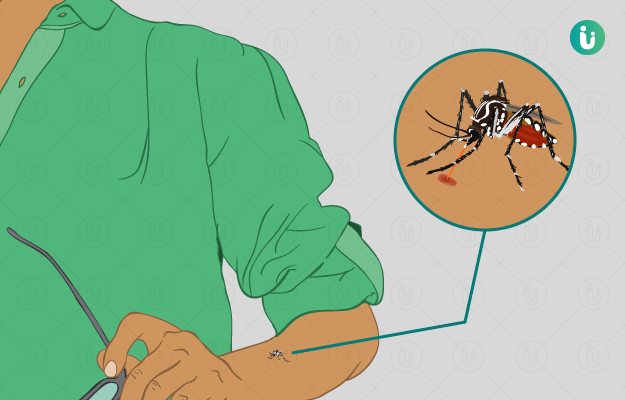
Malaria is a deadly disease transmitted to humans through mosquito bites. The most severe form of malaria is caused by the parasite Plasmodium falciparum. Although the disease can usually be treated with effective medicines, treatment becomes complicated if the parasite develops resistance to drugs, making disease control more difficult.
Why the Research in Cox’s Bazar Is Important
The Rohingya camps in Cox’s Bazar are located close to the Bangladesh–Myanmar border. Due to cross-border movement of people, high population density, and limited surveillance in the region, there is a risk that drug-resistant malaria could spread.
The camps, known as the world’s largest refugee settlement, currently host more than 1.18 million Rohingya people across 33 camps.
Recent data show that as malaria testing has increased in the camps, the number of detected cases has also risen. In 2021, only seven confirmed cases were recorded, but by 2025 the number had increased to 291. Although the overall number remains relatively low, this trend has raised concern among experts.
How the Research Will Be Conducted
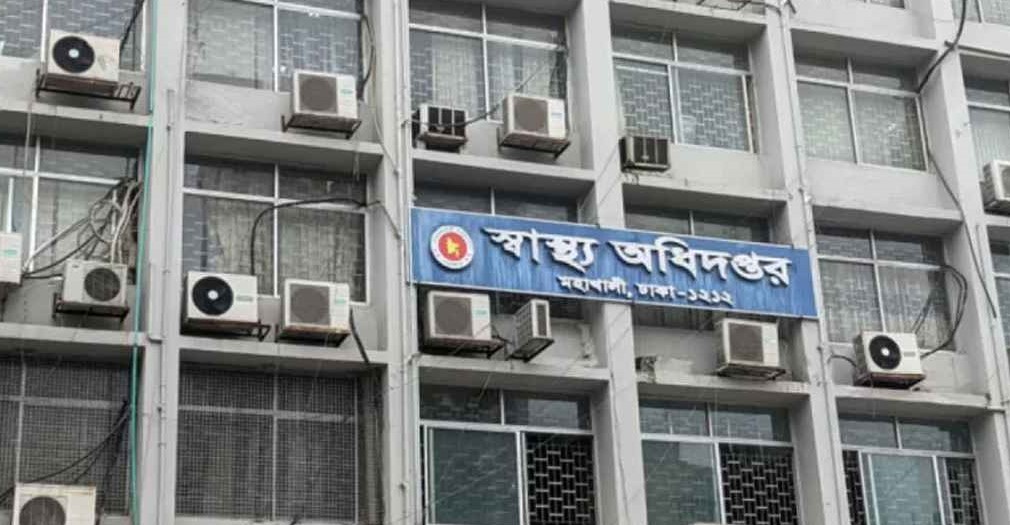
The research will be carried out by icddr,b in collaboration with the Directorate General of Health Services’ National Malaria Elimination Program and BRAC. Funded by Global Affairs Canada, the project will begin enrolling patients from April 2026.
Under the study, malaria patients from selected camps and nearby health centers will be included. Blood samples will be collected from patients and analyzed to examine the genetic characteristics of the parasite. Researchers will attempt to identify genetic mutations associated with resistance to artemisinin-based treatments. In addition, they will monitor how quickly the parasite clears from a patient’s body after treatment.
Statements from Authorities
Refugee Relief and Repatriation Commissioner Mohammad Mizanur Rahman said Bangladesh has already made significant progress in controlling malaria. However, continued vigilance is necessary to sustain this progress. Strengthening surveillance in high-risk areas like Cox’s Bazar can help protect both refugee and local populations while ensuring effective treatment.
icddr,b scientist Dr. Mohammad Shafiur Alam said that if drug-resistant malaria is not detected in time, it could spread silently. Therefore, identifying early signs quickly and using evidence-based data to determine treatment and control strategies is extremely important.

Advice from Health Experts
Health experts advise people living in malaria-prone areas to remain cautious. Anyone experiencing fever, chills, headaches, or severe weakness should seek testing at a health center promptly. Malaria can be prevented if patients are tested in time and take the full course of prescribed medication according to medical advice.
Bangladesh’s Goal for 2030
Under Bangladesh’s National Malaria Elimination Strategy (2024–2030), the country aims to reduce locally transmitted malaria cases to zero by 2030. Experts believe that a strong surveillance system and rapid detection of drug-resistant malaria will be essential to achieving this goal.