
4:09 am, Thursday, 26 March 2026

Tech Companies Race to Build Smaller, More Powerful AI Chips

Sarakhon Report

New generation of processors emerging

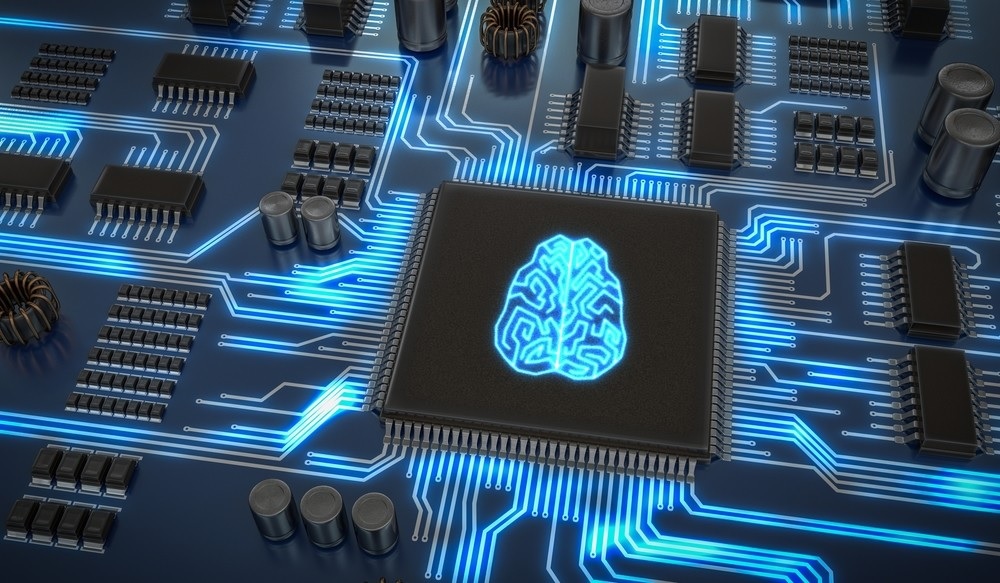
Major technology companies are intensifying efforts to develop specialized chips designed specifically for artificial intelligence workloads. These processors are expected to power everything from data centers to consumer devices.

Traditional computer processors were not originally designed for large-scale AI calculations. As machine learning systems grow more complex, companies are increasingly relying on chips optimized for neural network processing.

Several leading chipmakers have announced next-generation processors capable of handling massive amounts of data while consuming less energy. Efficiency has become a key priority as AI models demand enormous computational resources.

The demand for AI chips has grown rapidly due to the expansion of generative AI applications. Data centers running large language models and image-generation systems require powerful hardware capable of performing billions of calculations per second.

Tech companies are also exploring new chip architectures. Some designs rely on advanced graphics processing units, while others use custom-built neural processors tailored specifically for machine learning tasks.

Subheading 2 (Competition in the semiconductor industry)

The global semiconductor industry is entering a new phase driven by artificial intelligence. Countries and companies alike see AI chips as a strategic technology that could shape future economic and technological leadership.

Governments are investing heavily in domestic semiconductor manufacturing. The goal is to reduce dependence on foreign supply chains and ensure access to advanced computing hardware.

Meanwhile, competition among technology companies continues to intensify. Firms are racing to produce chips that offer faster performance while reducing energy consumption.

Energy efficiency is becoming especially important as data centers expand. Large AI systems require enormous electricity resources, raising concerns about environmental impact.

Analysts believe the development of specialized AI chips will play a crucial role in determining which companies dominate the next generation of digital technology.


05:39:35 pm, Monday, 16 March 2026

Tech Companies Race to Build Smaller, More Powerful AI Chips

05:39:35 pm, Monday, 16 March 2026

New generation of processors emerging

Major technology companies are intensifying efforts to develop specialized chips designed specifically for artificial intelligence workloads. These processors are expected to power everything from data centers to consumer devices.

Traditional computer processors were not originally designed for large-scale AI calculations. As machine learning systems grow more complex, companies are increasingly relying on chips optimized for neural network processing.

Several leading chipmakers have announced next-generation processors capable of handling massive amounts of data while consuming less energy. Efficiency has become a key priority as AI models demand enormous computational resources.

The demand for AI chips has grown rapidly due to the expansion of generative AI applications. Data centers running large language models and image-generation systems require powerful hardware capable of performing billions of calculations per second.

Tech companies are also exploring new chip architectures. Some designs rely on advanced graphics processing units, while others use custom-built neural processors tailored specifically for machine learning tasks.

Subheading 2 (Competition in the semiconductor industry)

The global semiconductor industry is entering a new phase driven by artificial intelligence. Countries and companies alike see AI chips as a strategic technology that could shape future economic and technological leadership.

Governments are investing heavily in domestic semiconductor manufacturing. The goal is to reduce dependence on foreign supply chains and ensure access to advanced computing hardware.

Meanwhile, competition among technology companies continues to intensify. Firms are racing to produce chips that offer faster performance while reducing energy consumption.

Energy efficiency is becoming especially important as data centers expand. Large AI systems require enormous electricity resources, raising concerns about environmental impact.

Analysts believe the development of specialized AI chips will play a crucial role in determining which companies dominate the next generation of digital technology.