3:32 pm, Saturday, 4 April 2026

Nationwide Measles Outbreak: Vaccine Shortage, Scarcity, and Children at Risk

Sarakhon Report

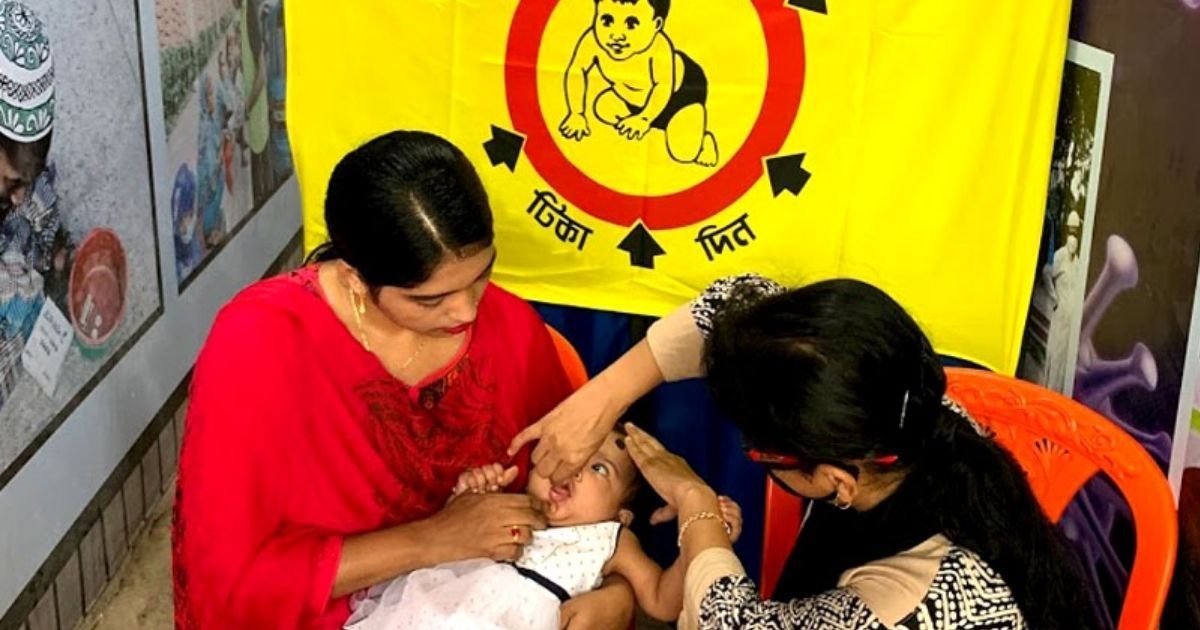
Since March 2026, the measles virus outbreak in Bangladesh has been spreading rapidly across many districts. Prolonged disruptions in vaccination campaigns, vaccine shortages, and delays in administering scheduled doses have left countless children unvaccinated, turning measles into a serious public health emergency. International health organizations, including the World Health Organization, have warned that interruptions in vaccination and the lack of vaccines over the past two years have created an immunity gap, putting many children at high risk of infection.

Spread of the Outbreak and Rising Death Toll

During the current wave of measles, the number of cases is rising quickly nationwide. Hospital records indicate that by March 2026, over fifty districts reported hundreds of children hospitalized with measles symptoms, and in the past few days, approximately forty child deaths have been confirmed. Some hospitals have reported three to four deaths in a single day, bringing the total confirmed child fatalities to over forty so far.

While numbers may vary by hospital, it is evident that many child deaths have already been confirmed, and additional suspected fatalities are under verification.
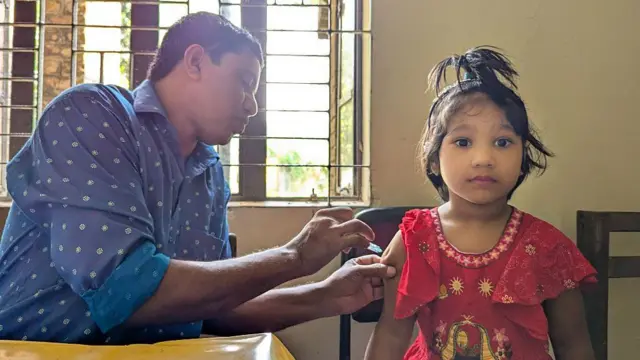
বাংলাদেশে হামসহ অন্যান্য রোগের টিকার মজুতের কী অবস্থা? - BBC News বাংলা

Vaccine Shortage: No Supply, Worsening Crisis

Serious shortages of measles vaccines have been reported across the country. Senior officials from the Health Ministry stated that many districts have not received adequate vaccine supplies, and the government has initiated plans to procure vaccines urgently. They highlighted that gaps in supply chains and irregularities in campaign execution caused many children to miss their scheduled doses.

The Health Ministry announced that the government has allocated significant emergency funding for vaccine procurement and will immediately launch special vaccination drives upon receipt. These programs aim to vaccinate hundreds of children aged between two and ten years through targeted measles campaigns.

Two-Year Gap in Vaccination: A Huge Immunity Gap

Recent data shows that in 2025, only 55.2% of children received a measles vaccine, leaving nearly 44% unvaccinated—a significant drop compared to previous years. This vaccination gap has grown considerably in recent years.
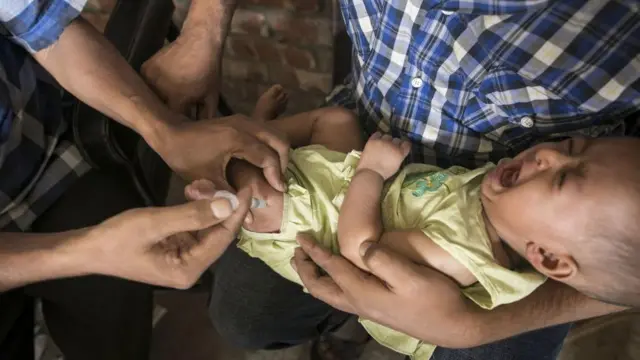
বাংলাদেশে হঠাৎ শিশুদের মধ্যে হামের প্রকোপ - কেন, কী ব্যবস্থা নেওয়া হচ্ছে - BBC News বাংলা

Experts point out that prolonged pauses in vaccination campaigns, supply chain failures, and irregular program execution have left many children unprotected over the past two years. As a result, an immunity gap has formed, and children within this gap are now the most affected, particularly those under two years old and even under nine months.

Vaccine Scarcity and Healthcare System Strain

Long interruptions in vaccination, inconsistent vaccine stock maintenance, and shortages of necessary equipment have placed heavy strain on the healthcare system. In many districts, insufficient vaccine availability has made it impossible to carry out school health programs and local health center vaccinations, allowing infections to spread faster.

Experts note that children who miss vaccines in certain areas are experiencing higher infection rates, including infants under nine months, who are vulnerable due to low maternal immunity despite being outside the vaccination schedule.

WHO and Local Recognition

বিশ্ব স্বাস্থ্য সংস্থা থেকে আনুষ্ঠানিকভাবে যুক্তরাষ্ট্রের নাম প্রত্যাহার

The World Health Organization and UNICEF have highlighted that prolonged gaps in vaccination and inconsistencies in supply chains have created an immunity gap in the country, causing highly contagious diseases like measles to resurge. They emphasized that the country’s goal had been rapid measles elimination, but vaccine shortages have hampered this objective.

Children at Risk and Preventive Measures

Measles is highly contagious, especially for children who have not received vaccines or missed the second dose. Infection can cause fever, cough, breathing difficulties, red eyes, and skin rashes, which, if not treated promptly, can lead to severe complications or death.

Health experts stress that the most effective preventive measures are timely vaccination and prompt treatment for infected children.


#MeaslesOutbreak #VaccineShortage #ChildHealth #VaccineScarcity #HealthNews #Bangladesh
01:51:27 pm, Saturday, 4 April 2026

Nationwide Measles Outbreak: Vaccine Shortage, Scarcity, and Children at Risk

01:51:27 pm, Saturday, 4 April 2026

Since March 2026, the measles virus outbreak in Bangladesh has been spreading rapidly across many districts. Prolonged disruptions in vaccination campaigns, vaccine shortages, and delays in administering scheduled doses have left countless children unvaccinated, turning measles into a serious public health emergency. International health organizations, including the World Health Organization, have warned that interruptions in vaccination and the lack of vaccines over the past two years have created an immunity gap, putting many children at high risk of infection.

Spread of the Outbreak and Rising Death Toll

During the current wave of measles, the number of cases is rising quickly nationwide. Hospital records indicate that by March 2026, over fifty districts reported hundreds of children hospitalized with measles symptoms, and in the past few days, approximately forty child deaths have been confirmed. Some hospitals have reported three to four deaths in a single day, bringing the total confirmed child fatalities to over forty so far.

While numbers may vary by hospital, it is evident that many child deaths have already been confirmed, and additional suspected fatalities are under verification.

বাংলাদেশে হামসহ অন্যান্য রোগের টিকার মজুতের কী অবস্থা? - BBC News বাংলা

Vaccine Shortage: No Supply, Worsening Crisis

Serious shortages of measles vaccines have been reported across the country. Senior officials from the Health Ministry stated that many districts have not received adequate vaccine supplies, and the government has initiated plans to procure vaccines urgently. They highlighted that gaps in supply chains and irregularities in campaign execution caused many children to miss their scheduled doses.

The Health Ministry announced that the government has allocated significant emergency funding for vaccine procurement and will immediately launch special vaccination drives upon receipt. These programs aim to vaccinate hundreds of children aged between two and ten years through targeted measles campaigns.

Two-Year Gap in Vaccination: A Huge Immunity Gap

Recent data shows that in 2025, only 55.2% of children received a measles vaccine, leaving nearly 44% unvaccinated—a significant drop compared to previous years. This vaccination gap has grown considerably in recent years.

বাংলাদেশে হঠাৎ শিশুদের মধ্যে হামের প্রকোপ - কেন, কী ব্যবস্থা নেওয়া হচ্ছে - BBC News বাংলা

Experts point out that prolonged pauses in vaccination campaigns, supply chain failures, and irregular program execution have left many children unprotected over the past two years. As a result, an immunity gap has formed, and children within this gap are now the most affected, particularly those under two years old and even under nine months.

Vaccine Scarcity and Healthcare System Strain

Long interruptions in vaccination, inconsistent vaccine stock maintenance, and shortages of necessary equipment have placed heavy strain on the healthcare system. In many districts, insufficient vaccine availability has made it impossible to carry out school health programs and local health center vaccinations, allowing infections to spread faster.

Experts note that children who miss vaccines in certain areas are experiencing higher infection rates, including infants under nine months, who are vulnerable due to low maternal immunity despite being outside the vaccination schedule.

WHO and Local Recognition

বিশ্ব স্বাস্থ্য সংস্থা থেকে আনুষ্ঠানিকভাবে যুক্তরাষ্ট্রের নাম প্রত্যাহার

The World Health Organization and UNICEF have highlighted that prolonged gaps in vaccination and inconsistencies in supply chains have created an immunity gap in the country, causing highly contagious diseases like measles to resurge. They emphasized that the country’s goal had been rapid measles elimination, but vaccine shortages have hampered this objective.

Children at Risk and Preventive Measures

Measles is highly contagious, especially for children who have not received vaccines or missed the second dose. Infection can cause fever, cough, breathing difficulties, red eyes, and skin rashes, which, if not treated promptly, can lead to severe complications or death.

Health experts stress that the most effective preventive measures are timely vaccination and prompt treatment for infected children.


#MeaslesOutbreak #VaccineShortage #ChildHealth #VaccineScarcity #HealthNews #Bangladesh