7:47 pm, Tuesday, 7 April 2026

Iran crisis widens as attacks hit Saudi route and oil nerves grow

Sarakhon Report

A bridge, a deadline, a wider risk

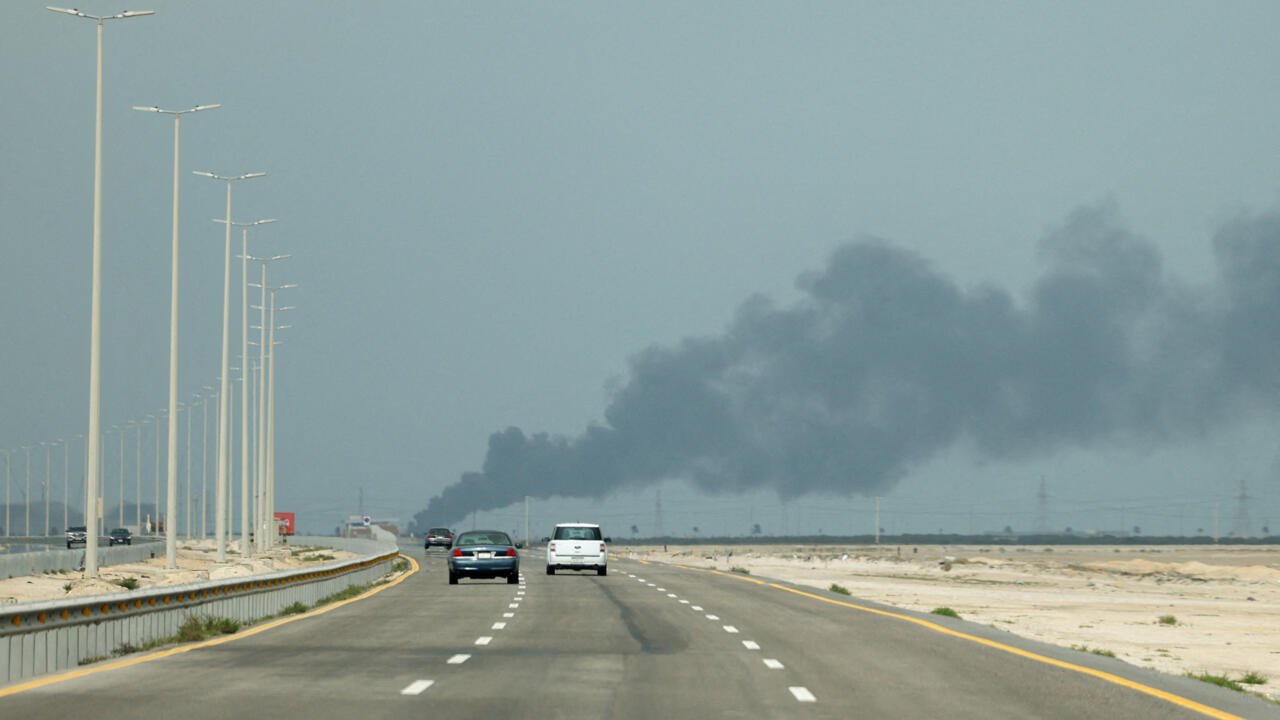
Airstrikes across Iran and missile fire toward Saudi Arabia and Israel pushed the regional crisis into a sharper phase on Tuesday, with the temporary closure of the King Fahd Causeway adding a new symbol of disruption. The bridge is Bahrain’s only road link to Saudi Arabia, so even a short closure carried outsized weight. It signaled that the conflict was no longer contained to military targets or shipping lanes, but was beginning to affect daily mobility, trade confidence and the sense of security across the Gulf.

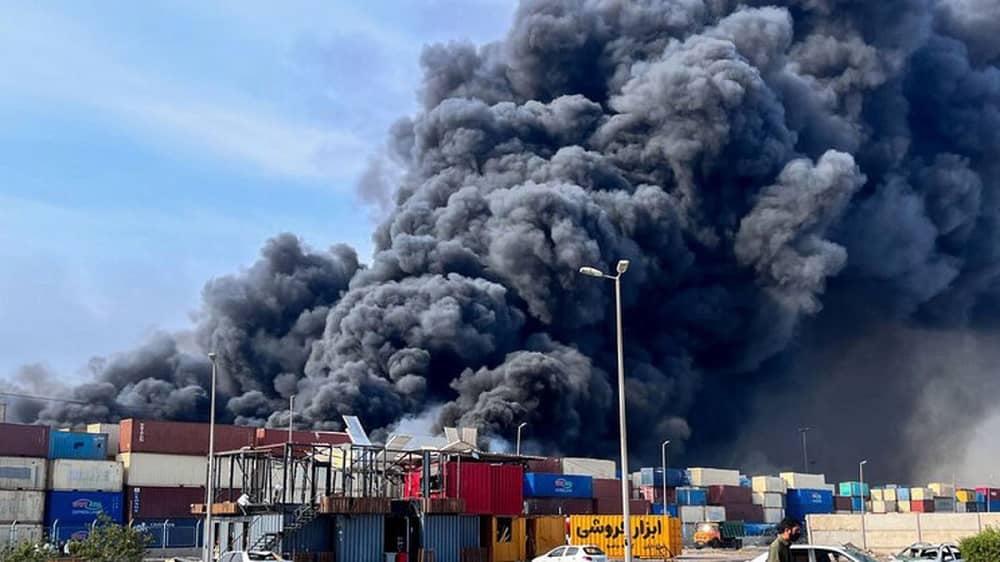
The trigger was a new round of attacks and threats tied to the Strait of Hormuz, the narrow waterway that carries a large share of the world’s oil trade. Iranian officials called on supporters to form human chains around power plants, while Washington’s public pressure on Tehran intensified ahead of a stated deadline. Saudi authorities said missiles were intercepted, but debris fell near energy facilities. That alone was enough to remind markets that the region’s energy system remains deeply exposed.

The immediate economic effect was clear. Oil prices stayed elevated as traders priced in the possibility of a broader infrastructure war. Once investors begin to factor in risks to bridges, power plants and fuel corridors, the concern shifts from a temporary military flare-up to a more durable supply shock. Even countries not directly involved start to feel the pressure through transport costs, inflation expectations and market volatility.

Middle East War Spotlights Stability of Renewables and Efficiency

Warnings over civilian targets

The latest round of rhetoric also sharpened legal and diplomatic concerns. International voices warned that attacks on civilian and energy infrastructure could violate the rules of war. That matters because once public threats move beyond military assets, they make de-escalation harder. Leaders can still negotiate, but each new statement raises political costs at home and narrows room for compromise.

For Gulf states, the danger is not only a direct strike. It is the accumulation of disruptions that weaken public confidence. Closed roads, suspended traffic, missile alerts and threats to power systems create a climate in which businesses delay decisions and governments have to spend more on security and emergency logistics. Bahrain’s dependence on a single road link to Saudi Arabia suddenly looked less like a geographic fact and more like a strategic vulnerability.

The bigger question now is whether the region can avoid a cycle in which each side answers economic pressure with more attacks on infrastructure. If that happens, even short-lived interruptions can leave lasting scars. Shipping patterns change, insurers demand more, energy buyers seek safer routes and governments adopt emergency measures that are hard to reverse. Tuesday’s events showed how quickly a geopolitical standoff can spill into the ordinary systems that keep a region moving.


05:17:37 pm, Tuesday, 7 April 2026

Iran crisis widens as attacks hit Saudi route and oil nerves grow

05:17:37 pm, Tuesday, 7 April 2026

A bridge, a deadline, a wider risk

Airstrikes across Iran and missile fire toward Saudi Arabia and Israel pushed the regional crisis into a sharper phase on Tuesday, with the temporary closure of the King Fahd Causeway adding a new symbol of disruption. The bridge is Bahrain’s only road link to Saudi Arabia, so even a short closure carried outsized weight. It signaled that the conflict was no longer contained to military targets or shipping lanes, but was beginning to affect daily mobility, trade confidence and the sense of security across the Gulf.

The trigger was a new round of attacks and threats tied to the Strait of Hormuz, the narrow waterway that carries a large share of the world’s oil trade. Iranian officials called on supporters to form human chains around power plants, while Washington’s public pressure on Tehran intensified ahead of a stated deadline. Saudi authorities said missiles were intercepted, but debris fell near energy facilities. That alone was enough to remind markets that the region’s energy system remains deeply exposed.

The immediate economic effect was clear. Oil prices stayed elevated as traders priced in the possibility of a broader infrastructure war. Once investors begin to factor in risks to bridges, power plants and fuel corridors, the concern shifts from a temporary military flare-up to a more durable supply shock. Even countries not directly involved start to feel the pressure through transport costs, inflation expectations and market volatility.

Middle East War Spotlights Stability of Renewables and Efficiency

Warnings over civilian targets

The latest round of rhetoric also sharpened legal and diplomatic concerns. International voices warned that attacks on civilian and energy infrastructure could violate the rules of war. That matters because once public threats move beyond military assets, they make de-escalation harder. Leaders can still negotiate, but each new statement raises political costs at home and narrows room for compromise.

For Gulf states, the danger is not only a direct strike. It is the accumulation of disruptions that weaken public confidence. Closed roads, suspended traffic, missile alerts and threats to power systems create a climate in which businesses delay decisions and governments have to spend more on security and emergency logistics. Bahrain’s dependence on a single road link to Saudi Arabia suddenly looked less like a geographic fact and more like a strategic vulnerability.

The bigger question now is whether the region can avoid a cycle in which each side answers economic pressure with more attacks on infrastructure. If that happens, even short-lived interruptions can leave lasting scars. Shipping patterns change, insurers demand more, energy buyers seek safer routes and governments adopt emergency measures that are hard to reverse. Tuesday’s events showed how quickly a geopolitical standoff can spill into the ordinary systems that keep a region moving.