6:26 pm, Wednesday, 3 December 2025

US immigration pause hits 19 non-European countries, deepening global travel rift

Sarakhon Report

Policy shock for migrants and US allies

The Trump administration has ordered a sweeping pause on immigration applications from 19 non-European countries, extending a crackdown that already reshaped U.S. travel rules earlier this year. The move temporarily freezes green card, citizenship, asylum and many visa processes for applicants from countries previously listed under a partial travel ban, many of them in Africa and the Middle East. Officials say the halt is necessary to conduct fresh security reviews after a deadly shooting of National Guard troops in Washington that investigators linked to an Afghan national.
Under the new directive, pending applications from the affected countries will be held while immigration authorities re-screen applicants and, in many cases, call them back for new interviews. Lawyers say hundreds of families have already had naturalization ceremonies and adjustment-of-status interviews abruptly canceled. For many, the pause cuts off a pathway they have pursued for years, often after long periods of separation from spouses and children. Community groups report that some people now fear even routine contact with authorities in case their cases are flagged for additional scrutiny.

The White House is framing the decision as a public-safety measure that closes what it describes as loopholes in legal migration. Officials argue that earlier vetting failed to detect risks among some applicants and that a stricter review focused on “high-risk jurisdictions” is justified. Critics counter that the policy is a de facto expansion of the existing travel ban, which had already sharply reduced refugee admissions and new visas from the same list of countries. They warn that the pause blurs the line between targeting individual security threats and imposing blanket penalties on whole populations.

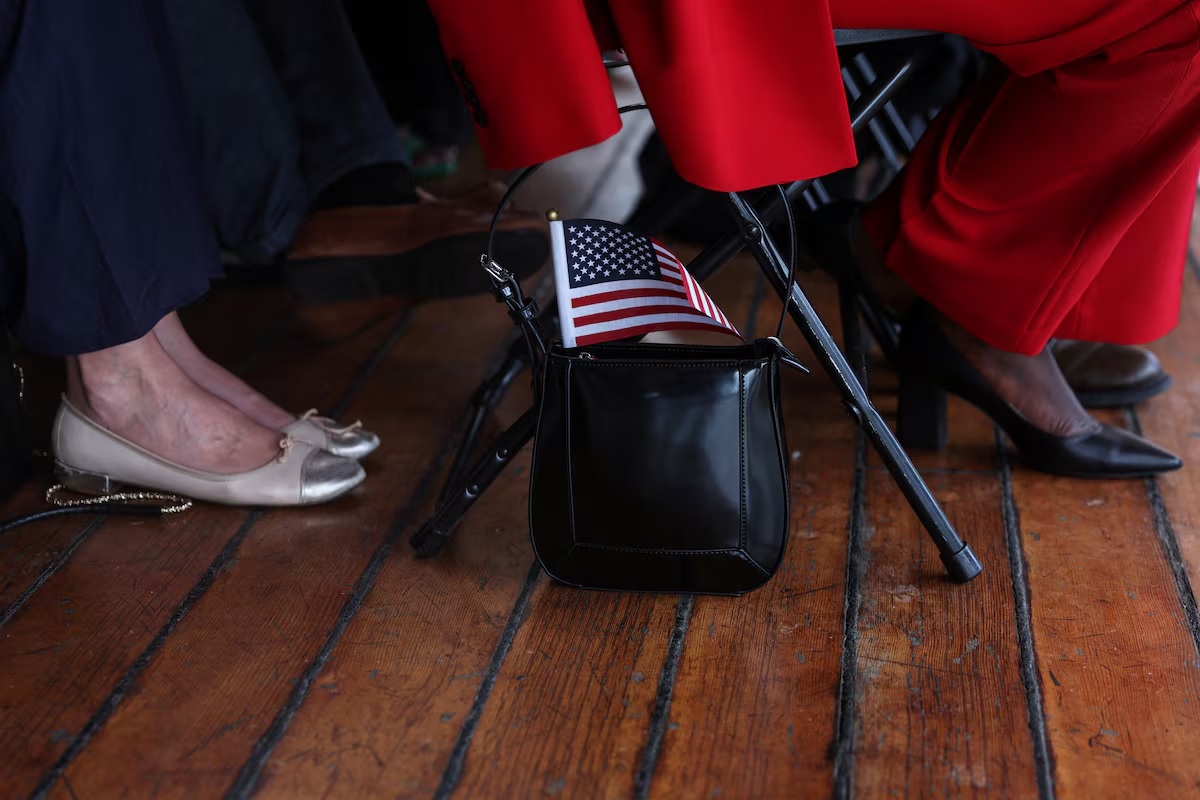
Trump administration pauses all immigration applications from 19 non-European  countries | CBC News
Diplomatic and domestic fallout

Advocates warn that the pause could ripple across U.S. communities where immigrants from the targeted nations have built lives over decades. Local organizations report a surge in calls from people suddenly unsure whether they can travel abroad, bring over family members or keep their jobs if work permits cannot be renewed in time. Some employers say they are reviewing staff rosters to see which employees might be at risk of losing legal status if processing delays drag on for months. University officials, meanwhile, worry that students from the affected countries could be stranded mid-degree if their visa categories come under review.

The announcement also raises diplomatic questions. Several of the affected nations are U.S. security partners that host American bases or support counterterrorism operations. Their governments have yet to issue full responses, but officials in some capitals are privately describing the decision as another sign that Washington is willing to sacrifice long-standing alliances to send tough messages on migration. Analysts say the move may complicate cooperation on other issues, from military coordination to negotiations over trade and energy.

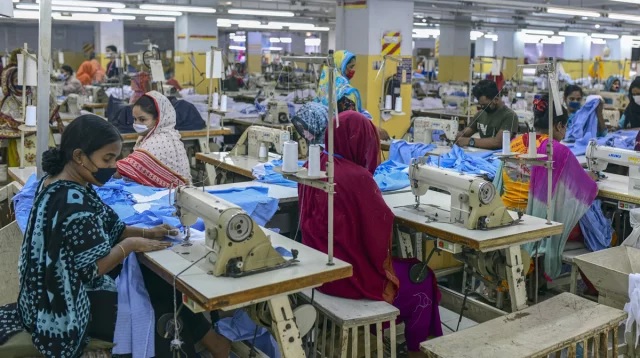
U.S. Pauses Immigration Applications From Nations on Travel Ban List - The  New York Times
Civil rights groups are already preparing legal challenges, arguing that the pause discriminates on the basis of nationality and disproportionately harms Muslim-majority and African countries. They point to earlier court battles over travel bans and say the new policy revives questions judges raised then about whether security justifications are being used to advance political goals. Some organizations are setting up hotlines and legal clinics to document canceled interviews, revoked appointments and other disruptions. That documentation, they say, could become evidence if the issue lands back before federal courts.

Inside the United States, the dispute is likely to dominate migration politics heading into 2026. Business groups say the decision undercuts efforts to fill shortages in health care, engineering and other skilled professions that rely on foreign workers. Faith leaders and refugee sponsors argue that people who have already cleared extensive vetting should not be punished for a crime they did not commit. With Congress divided and the administration signaling that more restrictions could follow, families caught in the middle are bracing for a long political fight that will determine whether their futures remain in the U.S.

04:53:31 pm, Wednesday, 3 December 2025

US immigration pause hits 19 non-European countries, deepening global travel rift

04:53:31 pm, Wednesday, 3 December 2025

Policy shock for migrants and US allies

The Trump administration has ordered a sweeping pause on immigration applications from 19 non-European countries, extending a crackdown that already reshaped U.S. travel rules earlier this year. The move temporarily freezes green card, citizenship, asylum and many visa processes for applicants from countries previously listed under a partial travel ban, many of them in Africa and the Middle East. Officials say the halt is necessary to conduct fresh security reviews after a deadly shooting of National Guard troops in Washington that investigators linked to an Afghan national.
Under the new directive, pending applications from the affected countries will be held while immigration authorities re-screen applicants and, in many cases, call them back for new interviews. Lawyers say hundreds of families have already had naturalization ceremonies and adjustment-of-status interviews abruptly canceled. For many, the pause cuts off a pathway they have pursued for years, often after long periods of separation from spouses and children. Community groups report that some people now fear even routine contact with authorities in case their cases are flagged for additional scrutiny.

The White House is framing the decision as a public-safety measure that closes what it describes as loopholes in legal migration. Officials argue that earlier vetting failed to detect risks among some applicants and that a stricter review focused on “high-risk jurisdictions” is justified. Critics counter that the policy is a de facto expansion of the existing travel ban, which had already sharply reduced refugee admissions and new visas from the same list of countries. They warn that the pause blurs the line between targeting individual security threats and imposing blanket penalties on whole populations.

Trump administration pauses all immigration applications from 19 non-European  countries | CBC News
Diplomatic and domestic fallout

Advocates warn that the pause could ripple across U.S. communities where immigrants from the targeted nations have built lives over decades. Local organizations report a surge in calls from people suddenly unsure whether they can travel abroad, bring over family members or keep their jobs if work permits cannot be renewed in time. Some employers say they are reviewing staff rosters to see which employees might be at risk of losing legal status if processing delays drag on for months. University officials, meanwhile, worry that students from the affected countries could be stranded mid-degree if their visa categories come under review.

The announcement also raises diplomatic questions. Several of the affected nations are U.S. security partners that host American bases or support counterterrorism operations. Their governments have yet to issue full responses, but officials in some capitals are privately describing the decision as another sign that Washington is willing to sacrifice long-standing alliances to send tough messages on migration. Analysts say the move may complicate cooperation on other issues, from military coordination to negotiations over trade and energy.

U.S. Pauses Immigration Applications From Nations on Travel Ban List - The  New York Times
Civil rights groups are already preparing legal challenges, arguing that the pause discriminates on the basis of nationality and disproportionately harms Muslim-majority and African countries. They point to earlier court battles over travel bans and say the new policy revives questions judges raised then about whether security justifications are being used to advance political goals. Some organizations are setting up hotlines and legal clinics to document canceled interviews, revoked appointments and other disruptions. That documentation, they say, could become evidence if the issue lands back before federal courts.

Inside the United States, the dispute is likely to dominate migration politics heading into 2026. Business groups say the decision undercuts efforts to fill shortages in health care, engineering and other skilled professions that rely on foreign workers. Faith leaders and refugee sponsors argue that people who have already cleared extensive vetting should not be punished for a crime they did not commit. With Congress divided and the administration signaling that more restrictions could follow, families caught in the middle are bracing for a long political fight that will determine whether their futures remain in the U.S.