
6:37 pm, Wednesday, 3 December 2025

Deadly Asian floods seen as stark climate warning, not an isolated disaster

Sarakhon Report

Scientists link extreme deluge to a hotter planet

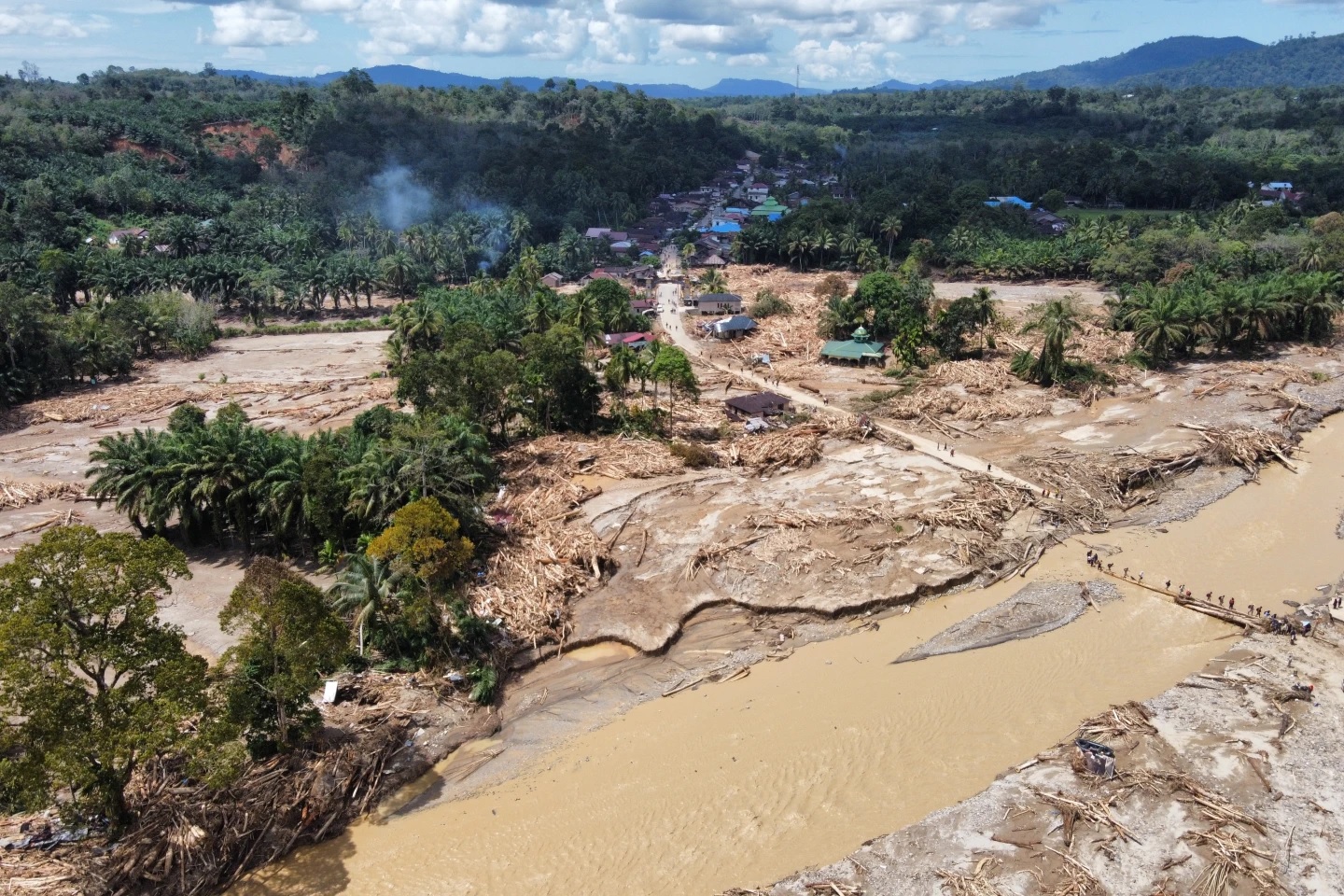
Torrential rains and landslides that killed more than a thousand people across Indonesia, Sri Lanka, Thailand and Malaysia over the past week are a preview of what a warmer climate will bring, scientists and disaster experts are warning. Whole neighbourhoods were swept away, bridges collapsed and key highways disappeared under mud and water as rivers burst their banks. Officials say thousands remain displaced in crowded shelters, with many communities still cut off by damaged roads and power lines.

Researchers say the intensity and persistence of the downpours fit a broader pattern: as oceans and air warm, they can hold and release more moisture, turning seasonal monsoon systems into far more destructive events. Early analyses by climate scientists suggest the rainfall totals in some of the worst-hit areas were made significantly more likely by human-driven global warming. They also point to the way rapid urbanisation and deforestation in floodplains have left towns more exposed, with concrete and bare hillsides replacing wetlands and forests that once absorbed water.

A rescuer leads a sniffer dog during a search operation for flood victims in Batang Toru, North Sumatra, Indonesia, Wednesday, Dec. 3, 2025. (AP Photo/Binsar Bakkara)
In Indonesia, entire districts in Sumatra and Java were inundated after days of rain triggered flash floods and slope failures. Rescue teams have struggled to reach remote villages where communications went down as rivers overtopped levees. In Sri Lanka and southern Thailand, swollen waterways cut rail and road links, complicating efforts to move emergency supplies. Local authorities say they expect the death toll to rise as search teams reach more isolated communities.

Fragile infrastructure and slow adaptation

The floods have also highlighted gaps in early-warning systems and basic infrastructure. In many places, residents reported receiving official alerts only after floodwaters were already at their doors. Sirens failed, mobile networks went down, or messages reached people in languages they did not understand. Evacuation routes were blocked by poorly planned construction or by informal settlements built right along riverbanks. Disaster experts say these problems are familiar—and fixable—but require long-term investment that many local governments have struggled to prioritise.

Cars and houses are submerged in floodwaters in Songkhla province, southern Thailand, on Nov. 26, 2025. (AP Photo/Arnun Chonmahatrakool, File)
Economically, the damage is expected to run into billions of dollars. Farms have lost crops that were close to harvest, factories in low-lying zones have been forced to halt production and ports have suffered interruptions that could snarl regional supply chains. Insurers are still tallying losses, but analysts say repeated climate-driven disasters are already pushing up premiums or leading companies to withdraw coverage from high-risk areas altogether. For poorer households, the cost is more immediate: homes washed away, tools and livestock lost, and new debts taken on to rebuild.

Scientists emphasise that while natural climate cycles and phenomena like El Niño can amplify heavy rains, the baseline has shifted. Warmer seas around the Indian Ocean and South China Sea are feeding more moisture into storms, while rising temperatures over land are intensifying heatwaves between flood events. Experts argue that governments must now plan for these extremes as the new normal—raising homes on stilts, restoring mangroves and wetlands, upgrading drainage and enforcing building rules that keep construction away from high-risk slopes and riverbanks. Without such changes, they warn, each new storm will hit communities already weakened by the last.


Survivors walk past logs swept away by a flash flood in Batang Toru, North Sumatra, Indonesia, Tuesday, Dec. 2, 2025. (AP Photo/Binsar Bakkara)


Volunteers distribute relief goods to survivors at a village affected by flash flood in Pidie Jaya, Aceh province, Indonesia, Tuesday, Dec. 2, 2025. (AP Photo/Reza Saifullah)


A man cleans the mud and slush from his shop after floods in Gelioya, Sri Lanka Sri Lanka, Monday, Dec. 1, 2025. (AP Photo/Eranga Jayawardena)


People wade through floodwaters in Songkhla province, southern Thailand, on Nov. 27, 2025. (AP Photo/Sarot Meksophawannakul, File)


People walk past the ruins of houses at a village affected by flood in Batang Toru, North Sumatra, Indonesia, Wednesday, Dec. 3, 2025. (AP Photo/Binsar Bakkara)


05:44:42 pm, Wednesday, 3 December 2025

Deadly Asian floods seen as stark climate warning, not an isolated disaster

05:44:42 pm, Wednesday, 3 December 2025

Scientists link extreme deluge to a hotter planet

Torrential rains and landslides that killed more than a thousand people across Indonesia, Sri Lanka, Thailand and Malaysia over the past week are a preview of what a warmer climate will bring, scientists and disaster experts are warning. Whole neighbourhoods were swept away, bridges collapsed and key highways disappeared under mud and water as rivers burst their banks. Officials say thousands remain displaced in crowded shelters, with many communities still cut off by damaged roads and power lines.

Researchers say the intensity and persistence of the downpours fit a broader pattern: as oceans and air warm, they can hold and release more moisture, turning seasonal monsoon systems into far more destructive events. Early analyses by climate scientists suggest the rainfall totals in some of the worst-hit areas were made significantly more likely by human-driven global warming. They also point to the way rapid urbanisation and deforestation in floodplains have left towns more exposed, with concrete and bare hillsides replacing wetlands and forests that once absorbed water.

A rescuer leads a sniffer dog during a search operation for flood victims in Batang Toru, North Sumatra, Indonesia, Wednesday, Dec. 3, 2025. (AP Photo/Binsar Bakkara)
In Indonesia, entire districts in Sumatra and Java were inundated after days of rain triggered flash floods and slope failures. Rescue teams have struggled to reach remote villages where communications went down as rivers overtopped levees. In Sri Lanka and southern Thailand, swollen waterways cut rail and road links, complicating efforts to move emergency supplies. Local authorities say they expect the death toll to rise as search teams reach more isolated communities.

Fragile infrastructure and slow adaptation

The floods have also highlighted gaps in early-warning systems and basic infrastructure. In many places, residents reported receiving official alerts only after floodwaters were already at their doors. Sirens failed, mobile networks went down, or messages reached people in languages they did not understand. Evacuation routes were blocked by poorly planned construction or by informal settlements built right along riverbanks. Disaster experts say these problems are familiar—and fixable—but require long-term investment that many local governments have struggled to prioritise.

Cars and houses are submerged in floodwaters in Songkhla province, southern Thailand, on Nov. 26, 2025. (AP Photo/Arnun Chonmahatrakool, File)
Economically, the damage is expected to run into billions of dollars. Farms have lost crops that were close to harvest, factories in low-lying zones have been forced to halt production and ports have suffered interruptions that could snarl regional supply chains. Insurers are still tallying losses, but analysts say repeated climate-driven disasters are already pushing up premiums or leading companies to withdraw coverage from high-risk areas altogether. For poorer households, the cost is more immediate: homes washed away, tools and livestock lost, and new debts taken on to rebuild.

Scientists emphasise that while natural climate cycles and phenomena like El Niño can amplify heavy rains, the baseline has shifted. Warmer seas around the Indian Ocean and South China Sea are feeding more moisture into storms, while rising temperatures over land are intensifying heatwaves between flood events. Experts argue that governments must now plan for these extremes as the new normal—raising homes on stilts, restoring mangroves and wetlands, upgrading drainage and enforcing building rules that keep construction away from high-risk slopes and riverbanks. Without such changes, they warn, each new storm will hit communities already weakened by the last.
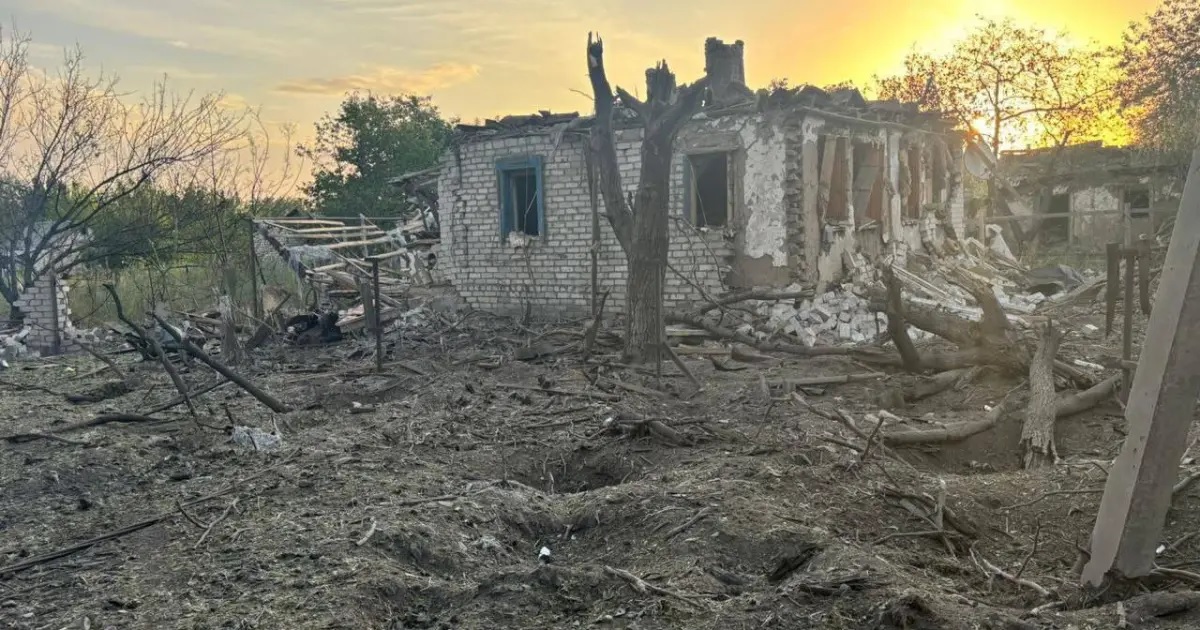
Survivors walk past logs swept away by a flash flood in Batang Toru, North Sumatra, Indonesia, Tuesday, Dec. 2, 2025. (AP Photo/Binsar Bakkara)


Volunteers distribute relief goods to survivors at a village affected by flash flood in Pidie Jaya, Aceh province, Indonesia, Tuesday, Dec. 2, 2025. (AP Photo/Reza Saifullah)


A man cleans the mud and slush from his shop after floods in Gelioya, Sri Lanka Sri Lanka, Monday, Dec. 1, 2025. (AP Photo/Eranga Jayawardena)


People wade through floodwaters in Songkhla province, southern Thailand, on Nov. 27, 2025. (AP Photo/Sarot Meksophawannakul, File)


People walk past the ruins of houses at a village affected by flood in Batang Toru, North Sumatra, Indonesia, Wednesday, Dec. 3, 2025. (AP Photo/Binsar Bakkara)