
10:20 pm, Wednesday, 3 December 2025

Libyan war crimes suspect asks ICC judges for release

Sarakhon Report

First Libyan detainee faces judges in The Hague

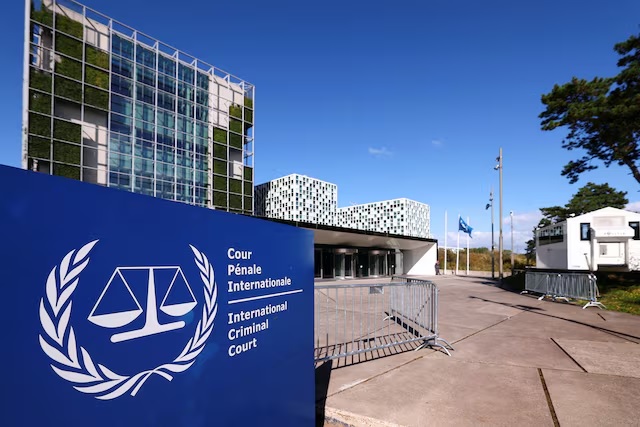
A Libyan war crimes suspect accused of running one of the country’s most notorious prisons has appeared before International Criminal Court judges in The Hague and asked to be released while he awaits trial. Khaled Mohamed Ali Al Hishri, 47, is charged with crimes against humanity, including murder, torture and rape, for his alleged role overseeing Mitiga prison in western Libya. Prosecutors say thousands of detainees, including women and children, were held for long periods in degrading conditions and subjected to routine beatings, electric shocks and sexual abuse. At his first appearance, Al Hishri told the judges he was “just requesting my release,” while the court stressed that any formal request would have to be submitted in writing.

The hearing marks a significant moment for the ICC’s long-running investigation into atrocities in Libya since the 2011 uprising that toppled Muammar Gaddafi. Although the court has issued multiple arrest warrants over the past decade, Al Hishri is the first Libyan suspect to be transferred into ICC custody. He was arrested in Germany in July and moved to the court’s detention unit earlier this week. Rights advocates say his transfer shows that international cooperation on war-crimes cases can still function, even when suspects live abroad or enjoy protection from powerful armed groups. However, they note that nine ICC warrants in Libya remain outstanding, and many victims’ families have waited years to see anyone held to account.

ICC Prosecutor challenges Italy over release of Libyan official accused of war  crimes | Euractiv

Accountability test for Libya’s post-conflict justice

Judges must now decide whether Al Hishri will be held in detention through trial or released under strict conditions, a process that could take months. A confirmation-of-charges hearing, in which prosecutors must convince judges there is enough evidence to proceed to trial, is scheduled for May next year, and a full trial is not expected before late 2026. Legal analysts say the case will test the ICC’s ability to reconstruct complex chains of command inside Libya’s fragmented security apparatus, where militias and nominal state forces often overlap. They also point out the political sensitivity: Mitiga prison has been linked to powerful factions that still exert influence in Tripoli, making cooperation from local authorities more complicated.

For Libyan survivors and ex-detainees, the case carries both hope and frustration. Some see Al Hishri’s transfer as a long-delayed recognition of their suffering and an opportunity to expose abuses that have largely gone unpunished inside Libya. Others worry that a single high-profile trial in The Hague will have limited impact on everyday impunity, especially if local courts remain weak and victims lack support. Human-rights monitors argue that international proceedings must be paired with stronger domestic reforms, including safeguards for detainees, credible investigations into torture and enforced disappearances, and protection for witnesses who come forward. As the ICC moves ahead, diplomats say future cooperation by European and regional governments—on arrests, evidence and victim outreach—will determine whether this is an isolated case or the start of broader accountability for crimes committed during and after Libya’s revolution.


 

09:04:17 pm, Wednesday, 3 December 2025

Libyan war crimes suspect asks ICC judges for release

09:04:17 pm, Wednesday, 3 December 2025

First Libyan detainee faces judges in The Hague

A Libyan war crimes suspect accused of running one of the country’s most notorious prisons has appeared before International Criminal Court judges in The Hague and asked to be released while he awaits trial. Khaled Mohamed Ali Al Hishri, 47, is charged with crimes against humanity, including murder, torture and rape, for his alleged role overseeing Mitiga prison in western Libya. Prosecutors say thousands of detainees, including women and children, were held for long periods in degrading conditions and subjected to routine beatings, electric shocks and sexual abuse. At his first appearance, Al Hishri told the judges he was “just requesting my release,” while the court stressed that any formal request would have to be submitted in writing.

The hearing marks a significant moment for the ICC’s long-running investigation into atrocities in Libya since the 2011 uprising that toppled Muammar Gaddafi. Although the court has issued multiple arrest warrants over the past decade, Al Hishri is the first Libyan suspect to be transferred into ICC custody. He was arrested in Germany in July and moved to the court’s detention unit earlier this week. Rights advocates say his transfer shows that international cooperation on war-crimes cases can still function, even when suspects live abroad or enjoy protection from powerful armed groups. However, they note that nine ICC warrants in Libya remain outstanding, and many victims’ families have waited years to see anyone held to account.

ICC Prosecutor challenges Italy over release of Libyan official accused of war  crimes | Euractiv

Accountability test for Libya’s post-conflict justice

Judges must now decide whether Al Hishri will be held in detention through trial or released under strict conditions, a process that could take months. A confirmation-of-charges hearing, in which prosecutors must convince judges there is enough evidence to proceed to trial, is scheduled for May next year, and a full trial is not expected before late 2026. Legal analysts say the case will test the ICC’s ability to reconstruct complex chains of command inside Libya’s fragmented security apparatus, where militias and nominal state forces often overlap. They also point out the political sensitivity: Mitiga prison has been linked to powerful factions that still exert influence in Tripoli, making cooperation from local authorities more complicated.

For Libyan survivors and ex-detainees, the case carries both hope and frustration. Some see Al Hishri’s transfer as a long-delayed recognition of their suffering and an opportunity to expose abuses that have largely gone unpunished inside Libya. Others worry that a single high-profile trial in The Hague will have limited impact on everyday impunity, especially if local courts remain weak and victims lack support. Human-rights monitors argue that international proceedings must be paired with stronger domestic reforms, including safeguards for detainees, credible investigations into torture and enforced disappearances, and protection for witnesses who come forward. As the ICC moves ahead, diplomats say future cooperation by European and regional governments—on arrests, evidence and victim outreach—will determine whether this is an isolated case or the start of broader accountability for crimes committed during and after Libya’s revolution.