10:37 pm, Wednesday, 3 December 2025

Singapore bets $154 million on the next wave of screen talent

Sarakhon Report

Three-year plan aims to make city-state a regional content hub

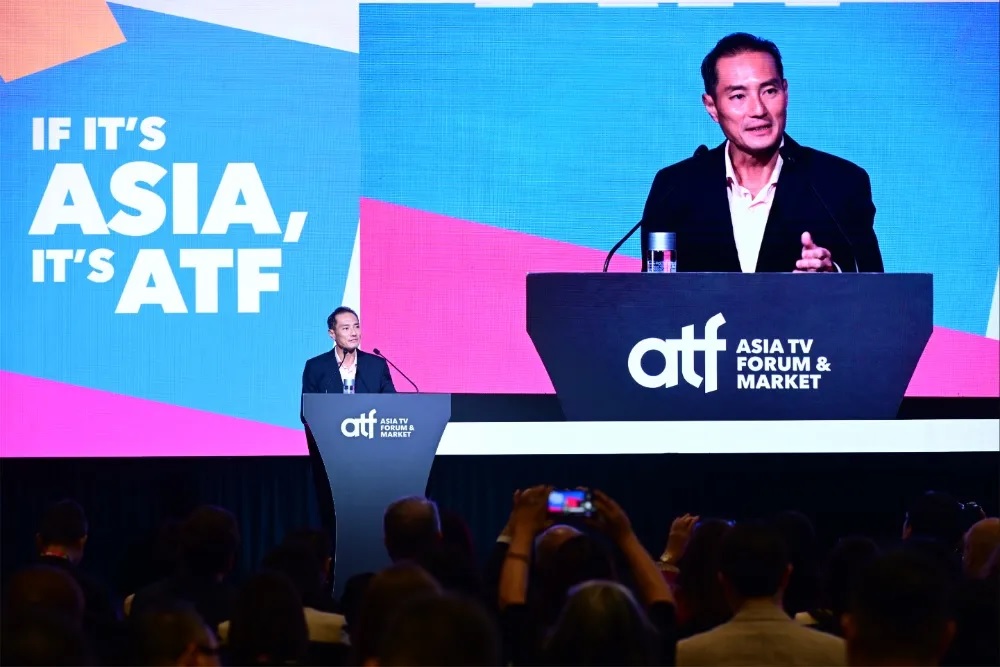
Singapore is launching a three-year, $154 million program to supercharge its film and television sector, signalling a fresh push to become a leading content hub for Asia. Announced by the Infocomm Media Development Authority and reported at the Asia Television Forum in Singapore, the initiative will fund training pipelines, script development and international collaborations designed to build a larger pool of local writers, directors and producers. Officials say the money will also support co-productions with global studios and streamers, helping local talent plug into cross-border projects from the start rather than being brought in only at later stages. The goal is to move beyond service work and give Singaporean creatives a stronger voice in shaping stories that travel.
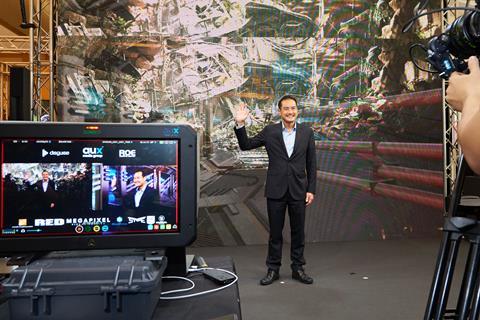
Singapore launches $3.6m virtual production fund to attract international  partners | News | Screen

The program includes grants for long-form series, premium documentaries and genre projects that can appeal to both regional audiences and global platforms. Industry observers note that streamers have already been experimenting with Southeast Asian content, from Korean-style reality formats to local-language dramas set around the region’s cities. Singapore’s new funding could make it easier to anchor such projects in the city-state, using its infrastructure and financial incentives as a base while filming across neighboring markets. For younger filmmakers and crew, the package promises more structured mentorships and on-set placements, addressing a long-standing complaint that it is hard to gain experience at scale without moving overseas.

Regional implications for Southeast Asia’s screen economy

For Southeast Asia, the move comes as competition for production dollars intensifies. Neighboring countries such as Thailand, Malaysia and Indonesia have taken turns attracting shoots through tax rebates, flexible locations and lower costs. Singapore, with higher wages and tight space, has often leaned on its reliability and regulatory ease rather than price. By putting a substantial sum behind talent and development, the city-state is betting that distinctive stories and polished showrunning skills can become its competitive edge. Some producers argue that a stronger Singaporean creative core will benefit the wider region by generating projects that naturally integrate talent and locations from multiple countries.

Singapore Launches Film and TV Fund for International Productions

The initiative also aligns with global platforms’ desire to diversify their slates. As saturation grows in North American and European markets, streamers and studios are looking for content that can connect with large Asian audiences while still being exportable worldwide. Singapore’s English-speaking environment, multilingual crew base and strong post-production facilities make it an attractive staging ground for such experiments. Challenges remain: emerging creators worry that funds could be captured by a small circle of established players, and unions will watch closely to ensure training schemes translate into fair pay and long-term jobs. Still, industry reaction so far suggests that a $154 million signal from the government is likely to pull in additional private investment—and make Singapore harder for global content buyers to ignore.


 

09:22:04 pm, Wednesday, 3 December 2025

Singapore bets $154 million on the next wave of screen talent

09:22:04 pm, Wednesday, 3 December 2025

Three-year plan aims to make city-state a regional content hub

Singapore is launching a three-year, $154 million program to supercharge its film and television sector, signalling a fresh push to become a leading content hub for Asia. Announced by the Infocomm Media Development Authority and reported at the Asia Television Forum in Singapore, the initiative will fund training pipelines, script development and international collaborations designed to build a larger pool of local writers, directors and producers. Officials say the money will also support co-productions with global studios and streamers, helping local talent plug into cross-border projects from the start rather than being brought in only at later stages. The goal is to move beyond service work and give Singaporean creatives a stronger voice in shaping stories that travel.

Singapore launches $3.6m virtual production fund to attract international  partners | News | Screen

The program includes grants for long-form series, premium documentaries and genre projects that can appeal to both regional audiences and global platforms. Industry observers note that streamers have already been experimenting with Southeast Asian content, from Korean-style reality formats to local-language dramas set around the region’s cities. Singapore’s new funding could make it easier to anchor such projects in the city-state, using its infrastructure and financial incentives as a base while filming across neighboring markets. For younger filmmakers and crew, the package promises more structured mentorships and on-set placements, addressing a long-standing complaint that it is hard to gain experience at scale without moving overseas.

Regional implications for Southeast Asia’s screen economy

For Southeast Asia, the move comes as competition for production dollars intensifies. Neighboring countries such as Thailand, Malaysia and Indonesia have taken turns attracting shoots through tax rebates, flexible locations and lower costs. Singapore, with higher wages and tight space, has often leaned on its reliability and regulatory ease rather than price. By putting a substantial sum behind talent and development, the city-state is betting that distinctive stories and polished showrunning skills can become its competitive edge. Some producers argue that a stronger Singaporean creative core will benefit the wider region by generating projects that naturally integrate talent and locations from multiple countries.

Singapore Launches Film and TV Fund for International Productions

The initiative also aligns with global platforms’ desire to diversify their slates. As saturation grows in North American and European markets, streamers and studios are looking for content that can connect with large Asian audiences while still being exportable worldwide. Singapore’s English-speaking environment, multilingual crew base and strong post-production facilities make it an attractive staging ground for such experiments. Challenges remain: emerging creators worry that funds could be captured by a small circle of established players, and unions will watch closely to ensure training schemes translate into fair pay and long-term jobs. Still, industry reaction so far suggests that a $154 million signal from the government is likely to pull in additional private investment—and make Singapore harder for global content buyers to ignore.