9:21 pm, Thursday, 4 December 2025

CHEETAH SPERM BANK OFFERS LIFELINE TO A SPECIES ON THE EDGE

Sarakhon Report

Scientists race to preserve genetic diversity before it’s lost

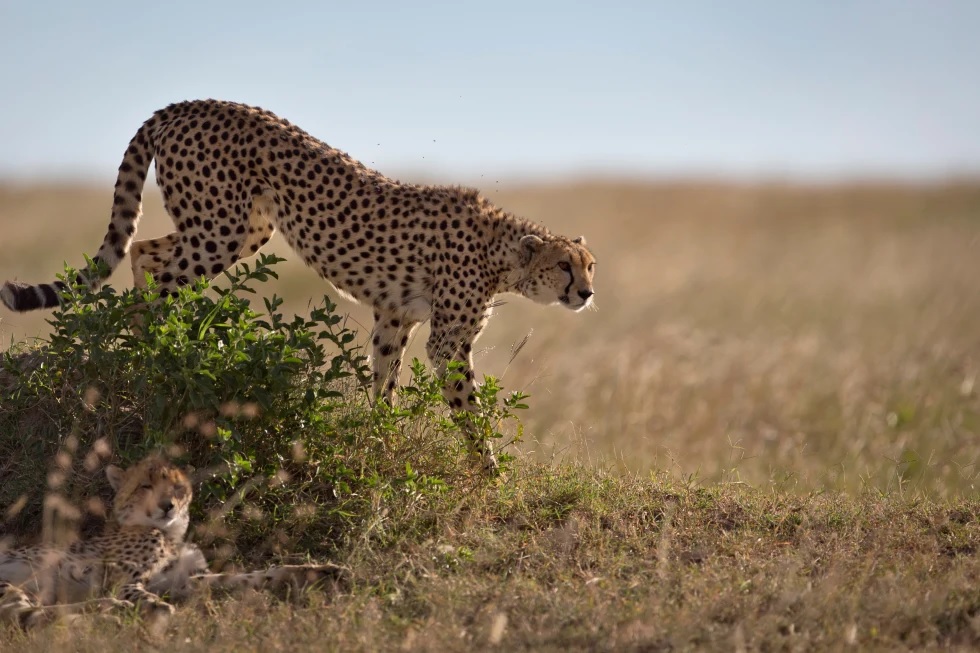
Conservation scientists have begun building a specialised sperm bank for cheetahs, hoping frozen samples can rescue the world’s fastest land animal from a dangerous genetic bottleneck. Wild cheetah populations in Africa and reintroduced groups elsewhere have been shrinking and interbreeding for decades, leaving the cats more vulnerable to disease and reproductive problems. By collecting and storing sperm from males across different regions and lineages, researchers aim to create a genetic “backup” that can be used in future breeding and reintroduction efforts. The work is technically challenging and expensive, but experts say the window to capture what genetic diversity remains is closing fast.
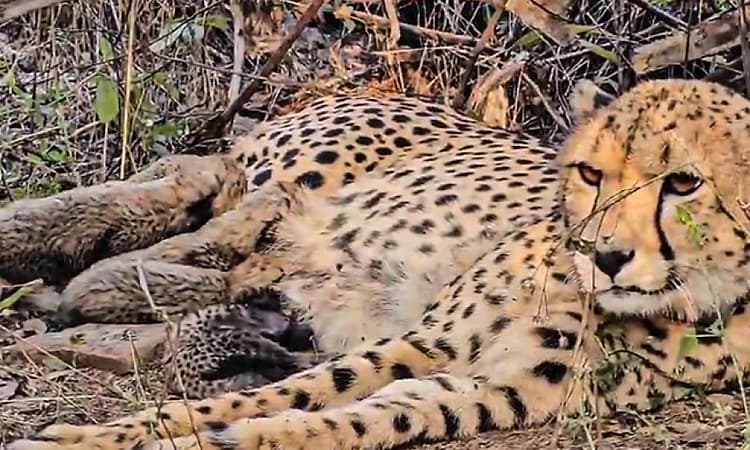
How sperm bank for cheetahs might one day save fastest land animal |  Udayavani - Latest English News, Udayavani Newspaper

From lab freezers to wild savannas

If the bank is successful, stored sperm could be used with assisted-reproduction techniques to strengthen small or isolated cheetah populations without moving animals across continents. That may be particularly valuable for countries trying to rebuild cheetah numbers in fragmented habitats, or where human–wildlife conflict makes live transfers politically sensitive. The project also serves as a test case for other endangered species facing similar genetic crunches, from big cats to rare antelopes and primates. Conservationists caution that frozen sperm is not a substitute for protecting habitat and curbing poaching, but it can buy crucial time and options in a warming, rapidly changing world where wild populations cannot adapt quickly enough on their own.




07:22:16 pm, Thursday, 4 December 2025

CHEETAH SPERM BANK OFFERS LIFELINE TO A SPECIES ON THE EDGE

07:22:16 pm, Thursday, 4 December 2025

Scientists race to preserve genetic diversity before it’s lost

Conservation scientists have begun building a specialised sperm bank for cheetahs, hoping frozen samples can rescue the world’s fastest land animal from a dangerous genetic bottleneck. Wild cheetah populations in Africa and reintroduced groups elsewhere have been shrinking and interbreeding for decades, leaving the cats more vulnerable to disease and reproductive problems. By collecting and storing sperm from males across different regions and lineages, researchers aim to create a genetic “backup” that can be used in future breeding and reintroduction efforts. The work is technically challenging and expensive, but experts say the window to capture what genetic diversity remains is closing fast.

How sperm bank for cheetahs might one day save fastest land animal |  Udayavani - Latest English News, Udayavani Newspaper

From lab freezers to wild savannas

If the bank is successful, stored sperm could be used with assisted-reproduction techniques to strengthen small or isolated cheetah populations without moving animals across continents. That may be particularly valuable for countries trying to rebuild cheetah numbers in fragmented habitats, or where human–wildlife conflict makes live transfers politically sensitive. The project also serves as a test case for other endangered species facing similar genetic crunches, from big cats to rare antelopes and primates. Conservationists caution that frozen sperm is not a substitute for protecting habitat and curbing poaching, but it can buy crucial time and options in a warming, rapidly changing world where wild populations cannot adapt quickly enough on their own.