6:21 pm, Friday, 5 December 2025

European leaders urge Zelensky not to rush into U.S.-backed peace push

Sarakhon Report

EU caution over fast-track Ukraine talks

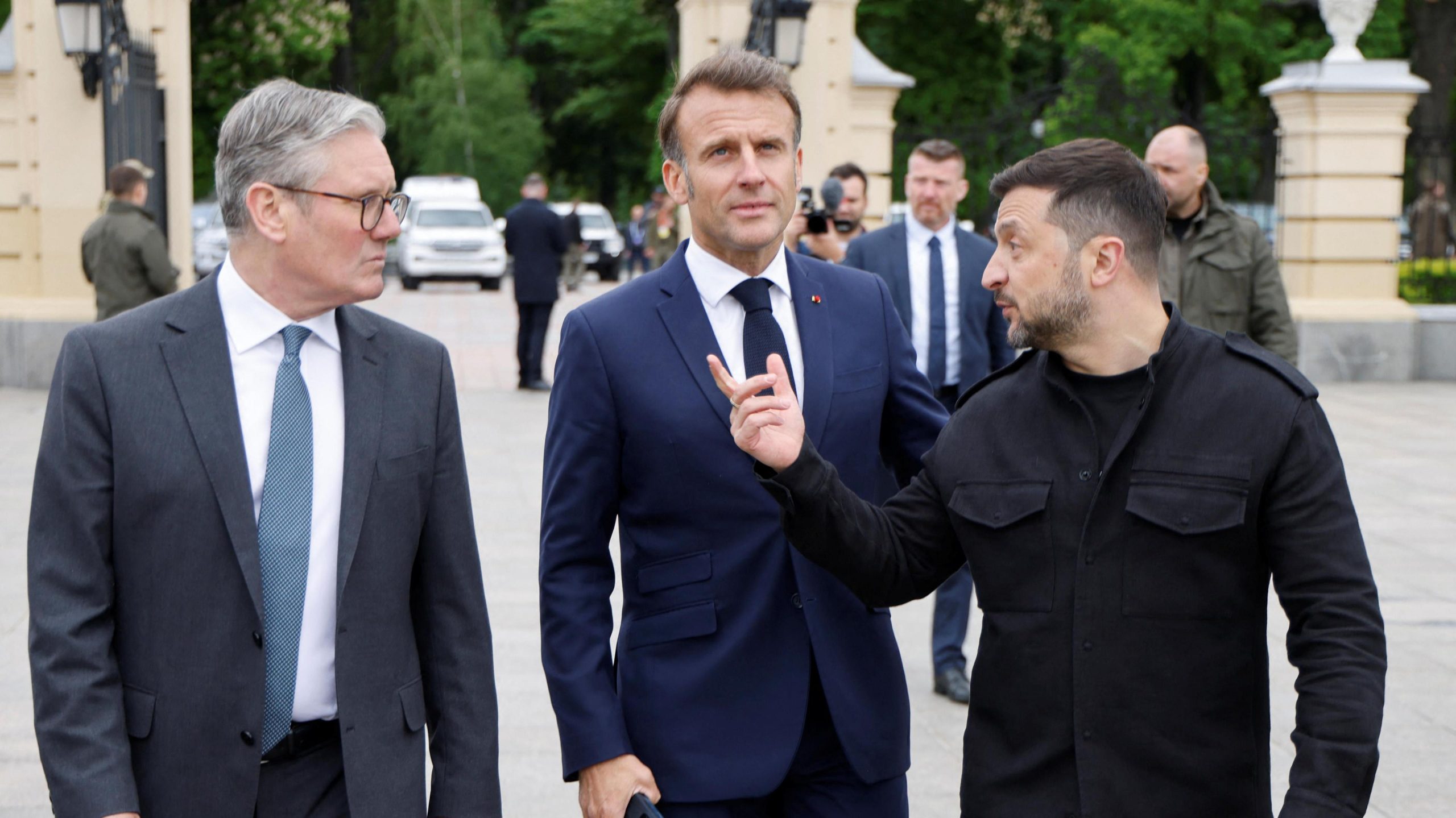
European leaders are quietly warning Ukrainian President Volodymyr Zelensky to move carefully as Washington steps up pressure for a rapid peace framework with Russia. They fear a hurried deal could lock in territorial losses, weaken Ukraine’s leverage and send a dangerous signal to other revisionist powers. Some capitals are also wary that a U.S.-driven timetable could be influenced by domestic political calendars in Washington more than realities on the battlefield.

Behind closed doors, several EU heads of government are urging Kyiv to insist on ironclad security guarantees and long-term funding before considering major concessions. They argue any roadmap must address Russia’s capacity to regroup and strike again, not just stop current fighting. European officials are also debating how far they themselves are ready to go on joint financing for Ukraine’s reconstruction and defense in case U.S. support becomes less predictable.

Europe’s own divisions on Russia

Diplomats say the discussions highlight lingering splits inside the EU about how to handle a frozen or partial conflict. Frontline states push for harder red lines on sanctions relief and security arrangements, while others quietly float more flexible options if that’s what it takes to end large-scale fighting. There is concern that if Ukraine feels cornered between battlefield attrition and political pressure from allies, public support in the country could erode.

At the same time, European leaders know their leverage depends on their ability to keep weapons and financial flows going at scale. They are re-examining stockpiles, defense industry output and budget space to sustain Ukraine into 2026 and beyond. For Kyiv, the message from key EU capitals is that it should not feel forced into a deal that leaves it exposed, but it must also prepare voters for the possibility of a drawn-out stalemate with limited territorial change. The balance between those two pressures will define the next phase of Europe’s biggest land war in decades.

05:25:37 pm, Friday, 5 December 2025

European leaders urge Zelensky not to rush into U.S.-backed peace push

05:25:37 pm, Friday, 5 December 2025

EU caution over fast-track Ukraine talks

European leaders are quietly warning Ukrainian President Volodymyr Zelensky to move carefully as Washington steps up pressure for a rapid peace framework with Russia. They fear a hurried deal could lock in territorial losses, weaken Ukraine’s leverage and send a dangerous signal to other revisionist powers. Some capitals are also wary that a U.S.-driven timetable could be influenced by domestic political calendars in Washington more than realities on the battlefield.

Behind closed doors, several EU heads of government are urging Kyiv to insist on ironclad security guarantees and long-term funding before considering major concessions. They argue any roadmap must address Russia’s capacity to regroup and strike again, not just stop current fighting. European officials are also debating how far they themselves are ready to go on joint financing for Ukraine’s reconstruction and defense in case U.S. support becomes less predictable.

Europe’s own divisions on Russia

Diplomats say the discussions highlight lingering splits inside the EU about how to handle a frozen or partial conflict. Frontline states push for harder red lines on sanctions relief and security arrangements, while others quietly float more flexible options if that’s what it takes to end large-scale fighting. There is concern that if Ukraine feels cornered between battlefield attrition and political pressure from allies, public support in the country could erode.

At the same time, European leaders know their leverage depends on their ability to keep weapons and financial flows going at scale. They are re-examining stockpiles, defense industry output and budget space to sustain Ukraine into 2026 and beyond. For Kyiv, the message from key EU capitals is that it should not feel forced into a deal that leaves it exposed, but it must also prepare voters for the possibility of a drawn-out stalemate with limited territorial change. The balance between those two pressures will define the next phase of Europe’s biggest land war in decades.