9:24 pm, Saturday, 6 December 2025

Russia unleashes record drone and missile barrage across Ukraine

Sarakhon Report

Mass strike timed with Armed Forces Day
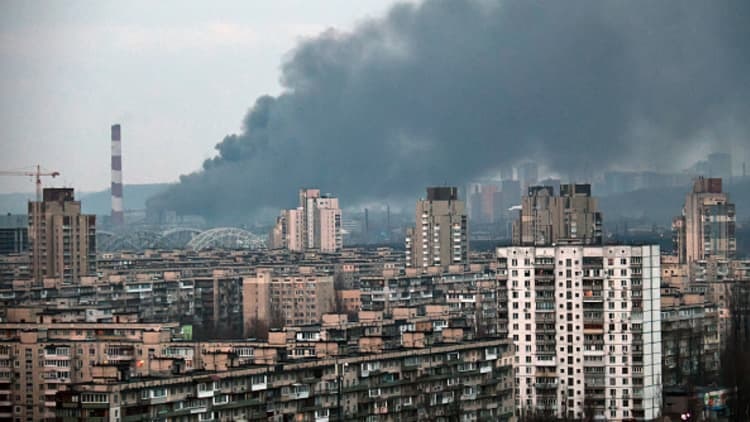
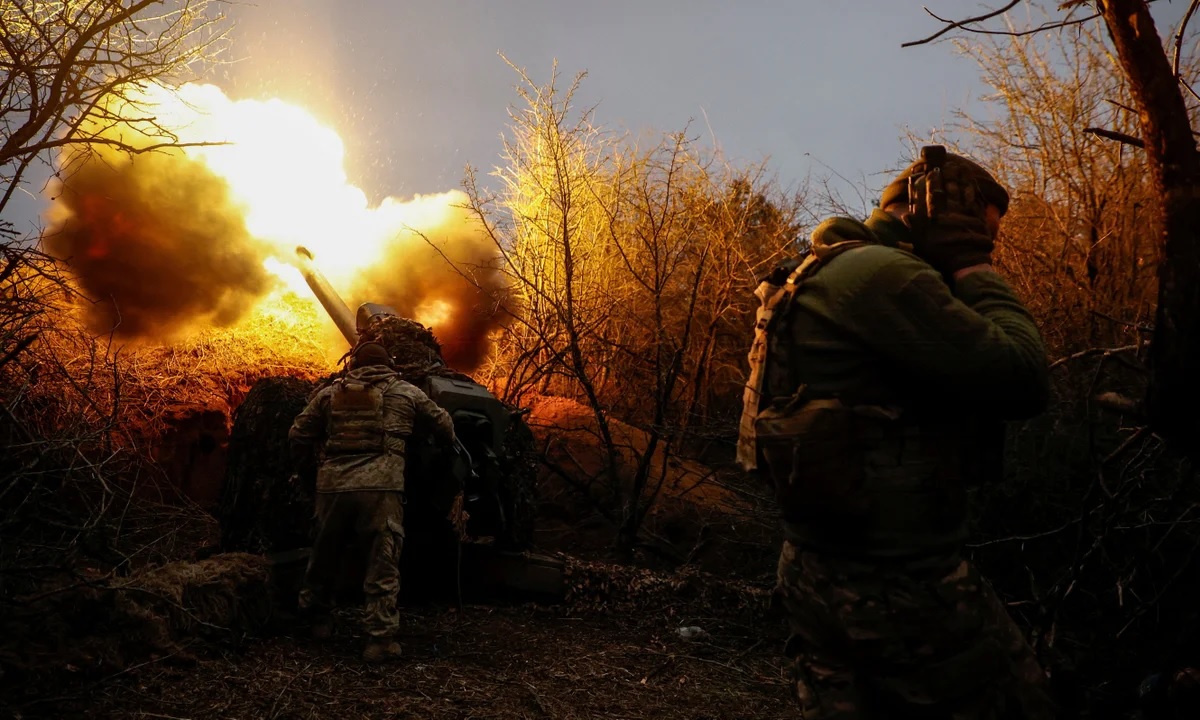
Russia has launched one of its most intense air campaigns of the war, sending hundreds of drones and dozens of missiles across Ukraine in a barrage that stretched from the capital Kyiv to frontline and rear cities. Ukrainian officials say the overnight assault targeted power infrastructure, industrial sites and residential districts, forcing millions to spend hours in shelters. The attack coincided with Russia’s Armed Forces Day, a symbolic date the Kremlin has increasingly used to project strength at home and signal resolve to foreign capitals. Ukrainian President Volodymyr Zelensky denounced the barrage as “terror by exhaustion,” accusing Moscow of trying to break civilian morale in the early winter cold.

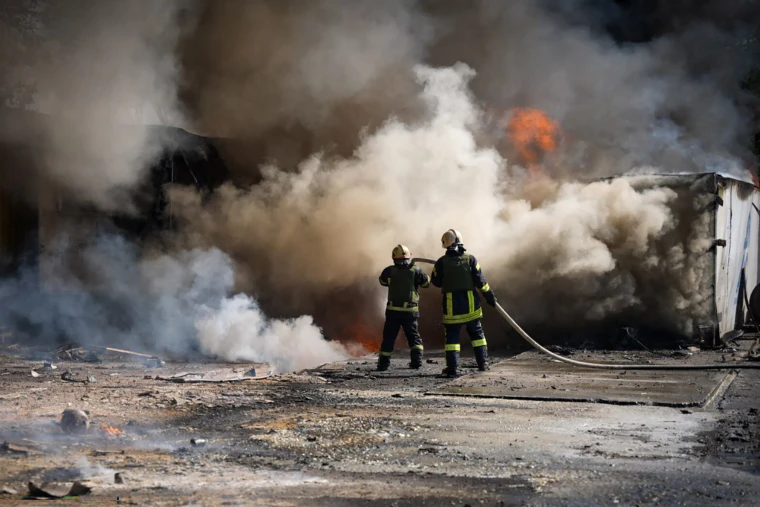
Initial reports from regional authorities described fires in apartment blocks, damage to a shopping centre and partial blackouts in several regions after debris from intercepted drones ignited rooftops and courtyards. Ukraine’s air force said air defence units managed to shoot down the majority of incoming Shahed-type drones and some cruise missiles, but conceded that the sheer volume overwhelmed radar and interceptor coverage in places. In the southern port city of Odesa, fragments fell near the harbour, underscoring persistent risks to grain export corridors even after earlier deals to protect Black Sea shipping collapsed. Emergency crews were still checking collapsed structures and damaged substations through the morning, as authorities warned that casualty figures were likely to rise.

Kyiv presses allies for air-defense support
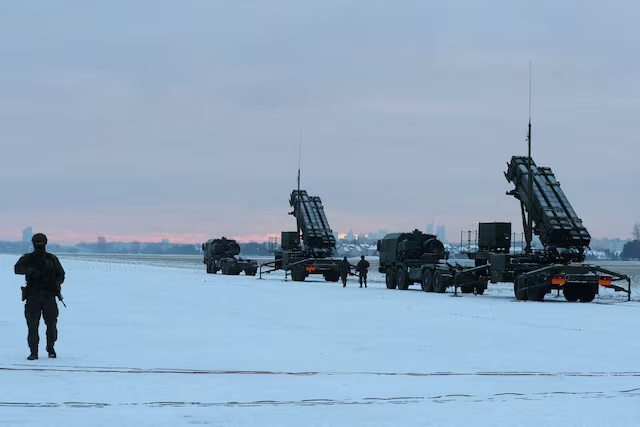
The scale of the strike has renewed Kyiv’s plea for more advanced air-defence systems and ammunition from Western partners, who have been debating long-term support amid political gridlock in Washington and shifting priorities in Europe. Ukrainian officials argue that every new wave of drones and missiles drains stocks of interceptor rockets that are expensive and slow to replace, while Russia can manufacture or import cheap drones at scale. Military analysts say Moscow appears to be testing gaps in Ukraine’s defensive grid, sending swarms of drones ahead of missile salvos to force radar operators into difficult choices and expose high-value air defence batteries.

At the same time, Ukrainian commanders insist that Russia has not capitalised on these air attacks with decisive ground offensives, describing the latest barrage as part of a broader pressure campaign rather than a prelude to a major breakthrough. Residents in cities far from the front line, however, feel the psychological toll of the constant sirens, sleepless nights and uncertainty over heating and electricity supplies. Humanitarian agencies warn that renewed damage to energy infrastructure could complicate winter response plans, especially for older people, children and those displaced from frontline regions. Diplomatically, the strike comes as mediators continue low-key efforts to keep channels open between Kyiv and Moscow’s backers, but Saturday’s attack underscores how far both sides remain from any ceasefire. For Ukrainians who spent the night in basements and metro stations, the message was simple: the war is now as much about endurance under the skies as it is about trenches on the ground.

Slug:
07:20:59 pm, Saturday, 6 December 2025

Russia unleashes record drone and missile barrage across Ukraine

07:20:59 pm, Saturday, 6 December 2025

Mass strike timed with Armed Forces Day
Russia has launched one of its most intense air campaigns of the war, sending hundreds of drones and dozens of missiles across Ukraine in a barrage that stretched from the capital Kyiv to frontline and rear cities. Ukrainian officials say the overnight assault targeted power infrastructure, industrial sites and residential districts, forcing millions to spend hours in shelters. The attack coincided with Russia’s Armed Forces Day, a symbolic date the Kremlin has increasingly used to project strength at home and signal resolve to foreign capitals. Ukrainian President Volodymyr Zelensky denounced the barrage as “terror by exhaustion,” accusing Moscow of trying to break civilian morale in the early winter cold.

Initial reports from regional authorities described fires in apartment blocks, damage to a shopping centre and partial blackouts in several regions after debris from intercepted drones ignited rooftops and courtyards. Ukraine’s air force said air defence units managed to shoot down the majority of incoming Shahed-type drones and some cruise missiles, but conceded that the sheer volume overwhelmed radar and interceptor coverage in places. In the southern port city of Odesa, fragments fell near the harbour, underscoring persistent risks to grain export corridors even after earlier deals to protect Black Sea shipping collapsed. Emergency crews were still checking collapsed structures and damaged substations through the morning, as authorities warned that casualty figures were likely to rise.

Kyiv presses allies for air-defense support
The scale of the strike has renewed Kyiv’s plea for more advanced air-defence systems and ammunition from Western partners, who have been debating long-term support amid political gridlock in Washington and shifting priorities in Europe. Ukrainian officials argue that every new wave of drones and missiles drains stocks of interceptor rockets that are expensive and slow to replace, while Russia can manufacture or import cheap drones at scale. Military analysts say Moscow appears to be testing gaps in Ukraine’s defensive grid, sending swarms of drones ahead of missile salvos to force radar operators into difficult choices and expose high-value air defence batteries.

At the same time, Ukrainian commanders insist that Russia has not capitalised on these air attacks with decisive ground offensives, describing the latest barrage as part of a broader pressure campaign rather than a prelude to a major breakthrough. Residents in cities far from the front line, however, feel the psychological toll of the constant sirens, sleepless nights and uncertainty over heating and electricity supplies. Humanitarian agencies warn that renewed damage to energy infrastructure could complicate winter response plans, especially for older people, children and those displaced from frontline regions. Diplomatically, the strike comes as mediators continue low-key efforts to keep channels open between Kyiv and Moscow’s backers, but Saturday’s attack underscores how far both sides remain from any ceasefire. For Ukrainians who spent the night in basements and metro stations, the message was simple: the war is now as much about endurance under the skies as it is about trenches on the ground.

Slug: