7:08 pm, Tuesday, 9 December 2025

Solar startups race to cover every rooftop

Sarakhon Report

Closing the rooftop solar gap

A new wave of clean-energy startups is trying to solve a surprisingly stubborn problem: millions of rooftops that remain empty even in countries racing to decarbonise. From Europe to the U.S., companies are building software and finance platforms that scan aerial imagery, assess rooftop potential in seconds, and offer “no upfront cost” solar deals to households and small businesses. Their pitch is simple—most roofs can host panels, and most owners are put off not by climate scepticism, but by complex paperwork, confusing subsidies and high initial costs. By bundling installation, maintenance and grid paperwork into one package, these firms hope to turn idle roofs into miniature power plants that feed electricity back into local grids. In some cities, they are also focusing on rental housing and low-income communities that have historically been excluded from rooftop solar because they do not own the buildings they live in.

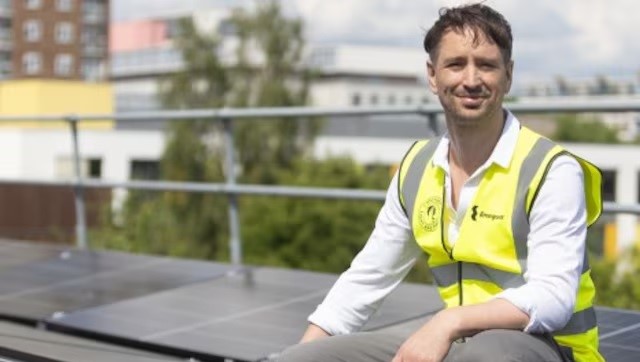
How solar startups are disrupting the energy market | Startups Magazine

Policy, profit and equity in the energy transition

The model depends heavily on stable policy and cooperative utilities. Governments want more distributed renewables to ease pressure on overstretched grids, but regulators worry about grid stability and who pays for upgrades when solar peaks clash with demand patterns. Startups are lobbying for clearer rules on net metering, community solar and data access so that they can aggregate small projects into bankable portfolios for investors. Climate campaigners welcome the push but warn that rooftop solar alone cannot replace big structural changes in transport and industry, and that financing models must avoid locking poorer households into long contracts with limited savings. If these companies can navigate those risks, the payoff could be large: more resilient neighbourhood grids, lower power bills, and a visible sign—panels spread across city skylines—that the energy transition is happening street by street, roof by roof.
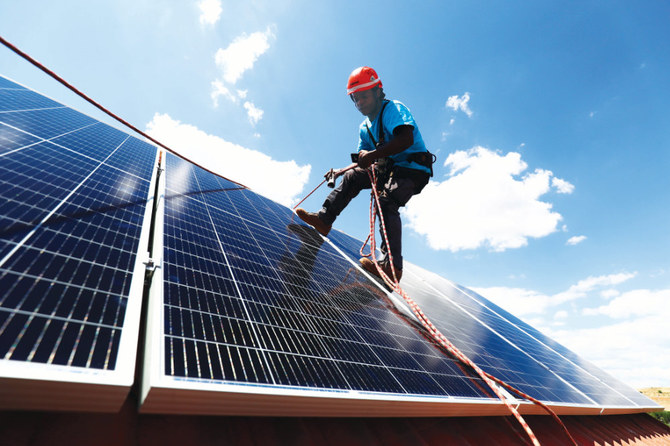

Rooftop revolution: Pandemic chill upends solar power industry | Arab News


03:50:25 pm, Tuesday, 9 December 2025

Solar startups race to cover every rooftop

03:50:25 pm, Tuesday, 9 December 2025

Closing the rooftop solar gap

A new wave of clean-energy startups is trying to solve a surprisingly stubborn problem: millions of rooftops that remain empty even in countries racing to decarbonise. From Europe to the U.S., companies are building software and finance platforms that scan aerial imagery, assess rooftop potential in seconds, and offer “no upfront cost” solar deals to households and small businesses. Their pitch is simple—most roofs can host panels, and most owners are put off not by climate scepticism, but by complex paperwork, confusing subsidies and high initial costs. By bundling installation, maintenance and grid paperwork into one package, these firms hope to turn idle roofs into miniature power plants that feed electricity back into local grids. In some cities, they are also focusing on rental housing and low-income communities that have historically been excluded from rooftop solar because they do not own the buildings they live in.

How solar startups are disrupting the energy market | Startups Magazine

Policy, profit and equity in the energy transition

The model depends heavily on stable policy and cooperative utilities. Governments want more distributed renewables to ease pressure on overstretched grids, but regulators worry about grid stability and who pays for upgrades when solar peaks clash with demand patterns. Startups are lobbying for clearer rules on net metering, community solar and data access so that they can aggregate small projects into bankable portfolios for investors. Climate campaigners welcome the push but warn that rooftop solar alone cannot replace big structural changes in transport and industry, and that financing models must avoid locking poorer households into long contracts with limited savings. If these companies can navigate those risks, the payoff could be large: more resilient neighbourhood grids, lower power bills, and a visible sign—panels spread across city skylines—that the energy transition is happening street by street, roof by roof.

Rooftop revolution: Pandemic chill upends solar power industry | Arab News