7:07 pm, Tuesday, 9 December 2025

Tokyo’s rat problem exposes cracks in city living

Sarakhon Report

Rats move in as garbage piles up

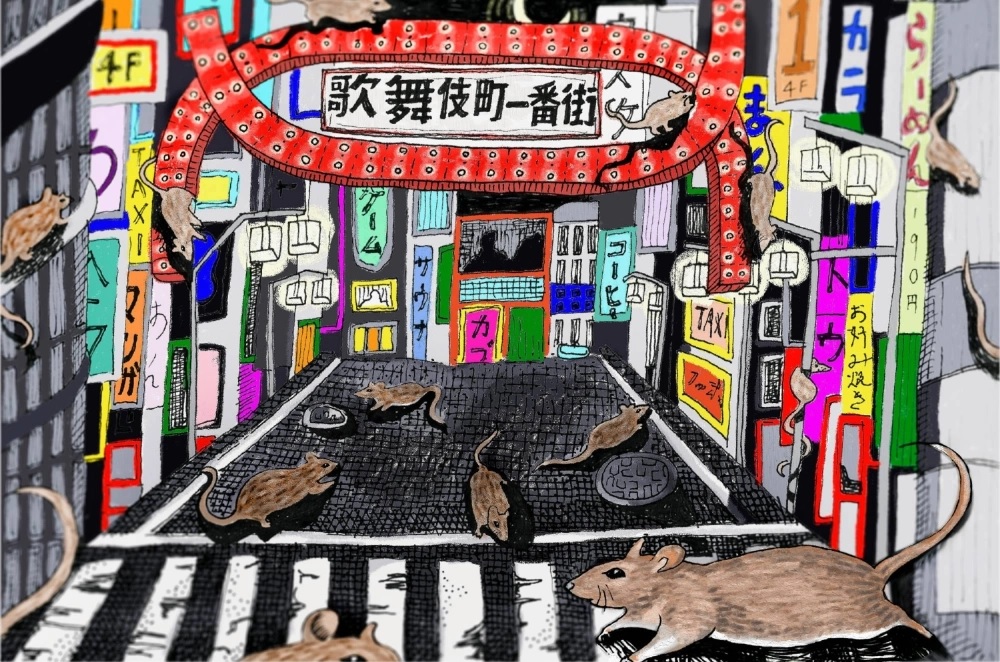
Tokyo’s famously tidy image is under strain as rat sightings surge in busy entertainment and shopping districts, according to pest-control firms and anxious residents. Exterminators say overflowing garbage, dense restaurant clusters and ageing buildings have created near-perfect conditions for rodents, which are now being spotted in broad daylight along alleyways and even near major train stations. Social media videos of rats swarming around rubbish bags or darting through convenience-store aisles have fuelled public disgust and pressure on local officials to respond. For shop owners, the problem is more than cosmetic: customers may stay away, landlords fret about damage to wiring and stock, and health inspectors are stepping up surprise visits.
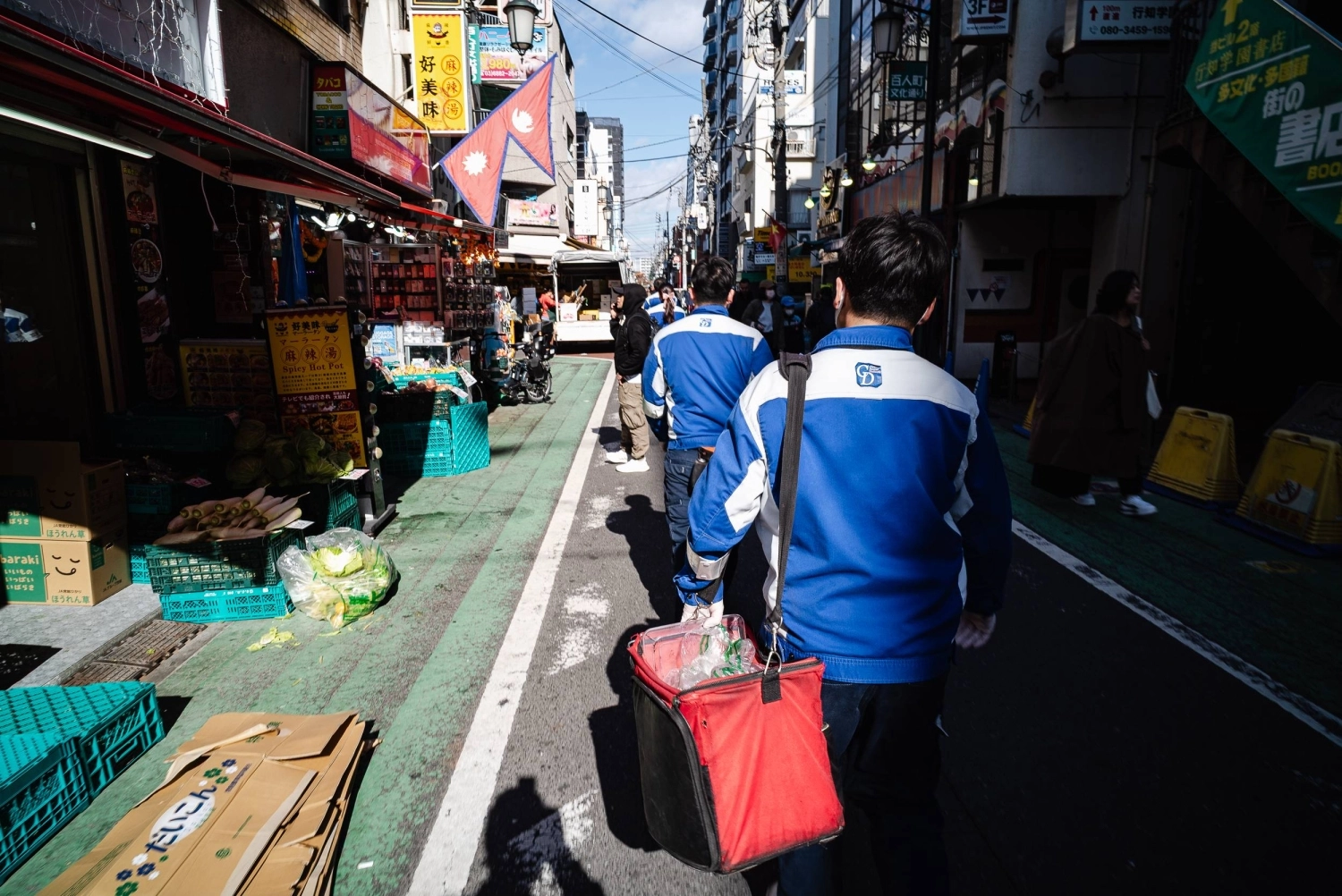
Workers from CIC (Civil International Corporation) head through the streets near Okubo Station.

Shared responsibility, uneven response

City authorities insist they are stepping up educational campaigns and inspections, urging businesses to seal food waste, fix gaps in walls and floors, and coordinate baiting efforts so that entire blocks, rather than individual buildings, are treated at once. But some experts warn that fragmented responsibility—between ward offices, private waste contractors and building owners—makes sustained control difficult. Rising temperatures and milder winters may also be helping rats breed year-round, another reminder of how climate shifts intersect with urban hygiene. For residents, the story is a cautionary tale about what happens when tight labour markets and cost pressures push restaurants to cut corners on cleaning, or when late-night entertainment districts rely on convenience-store bins as de facto public trash cans. How Tokyo manages this “unseen infrastructure” problem over the coming year will test not only pest-control budgets but also the city’s reputation for meticulous order.
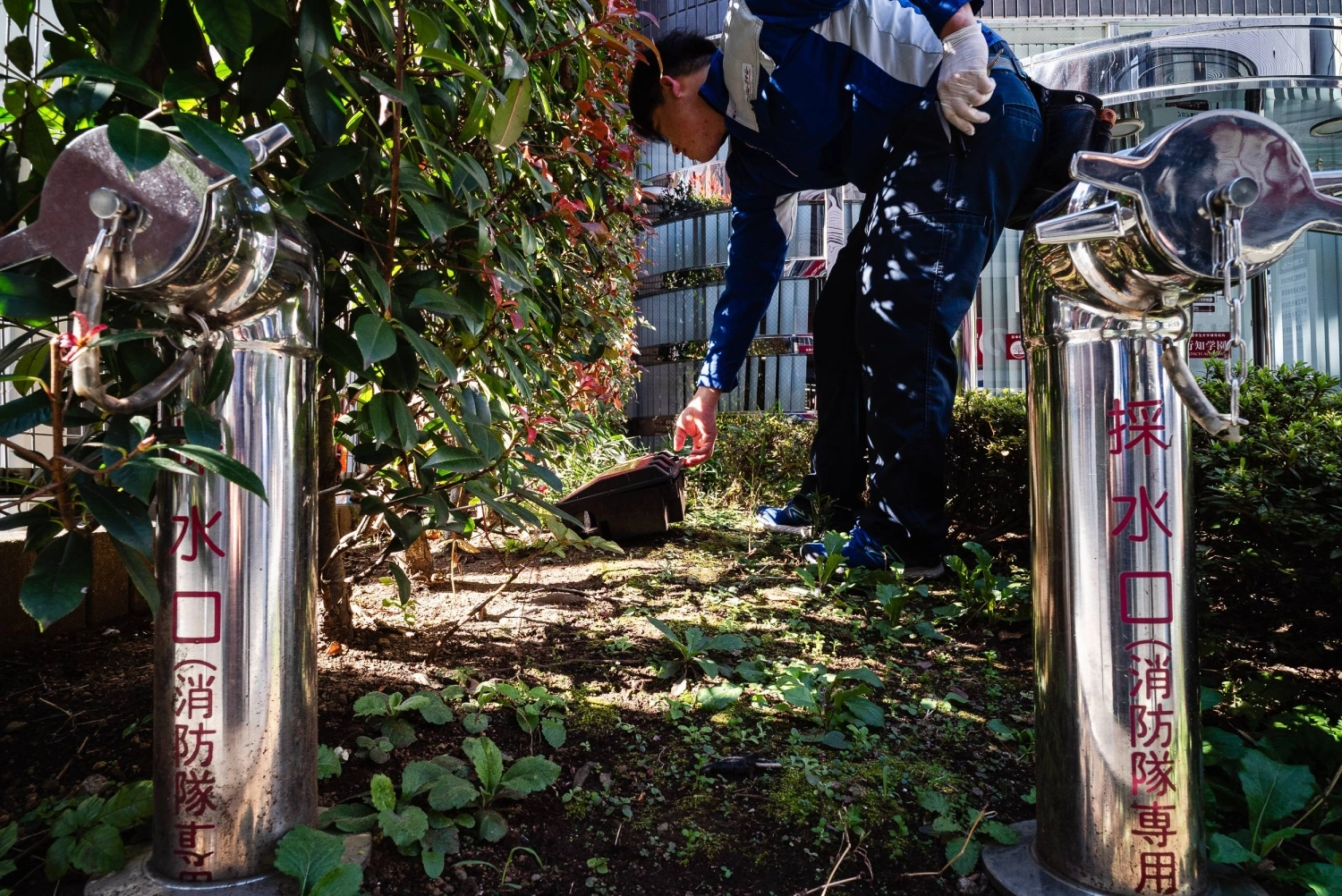
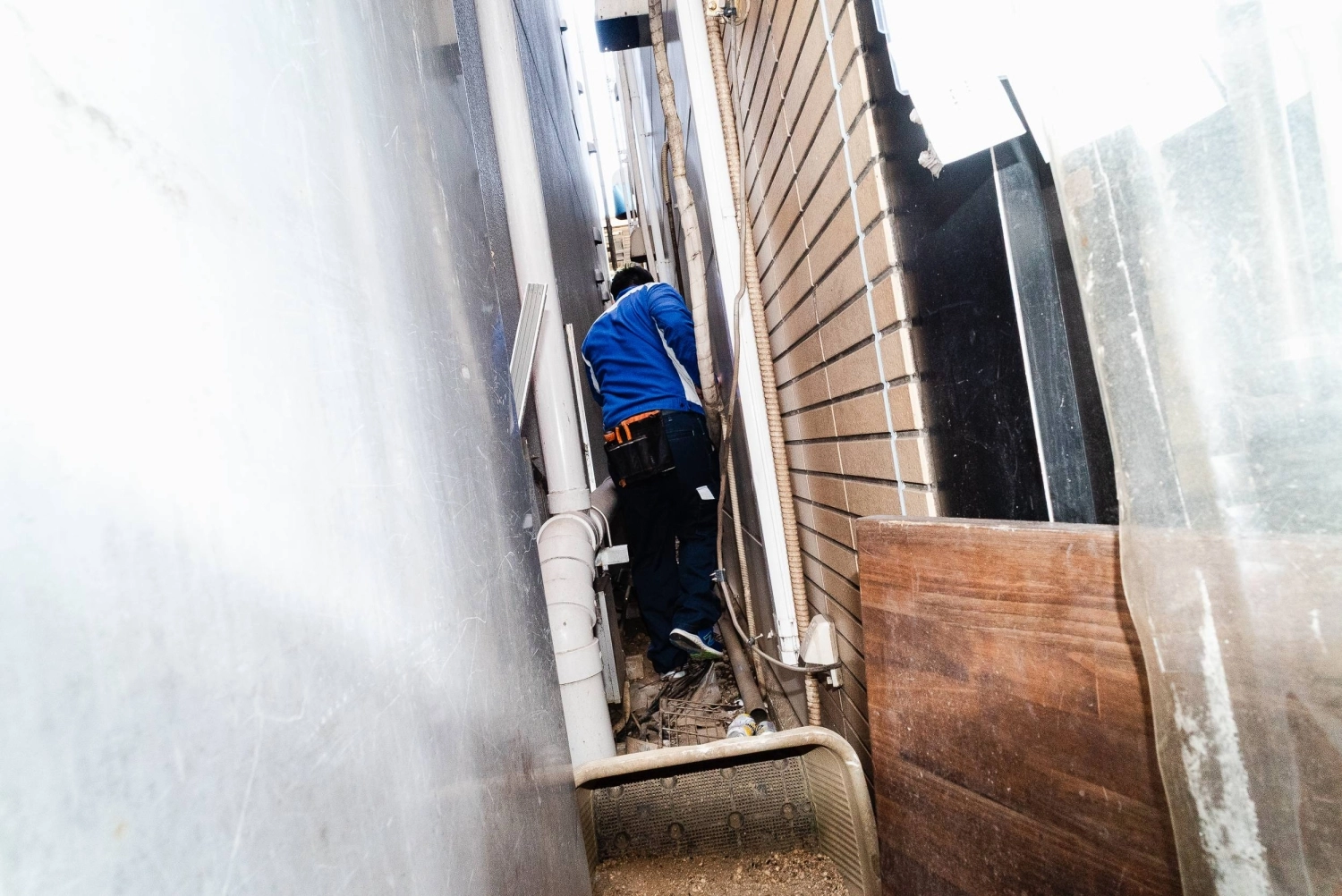
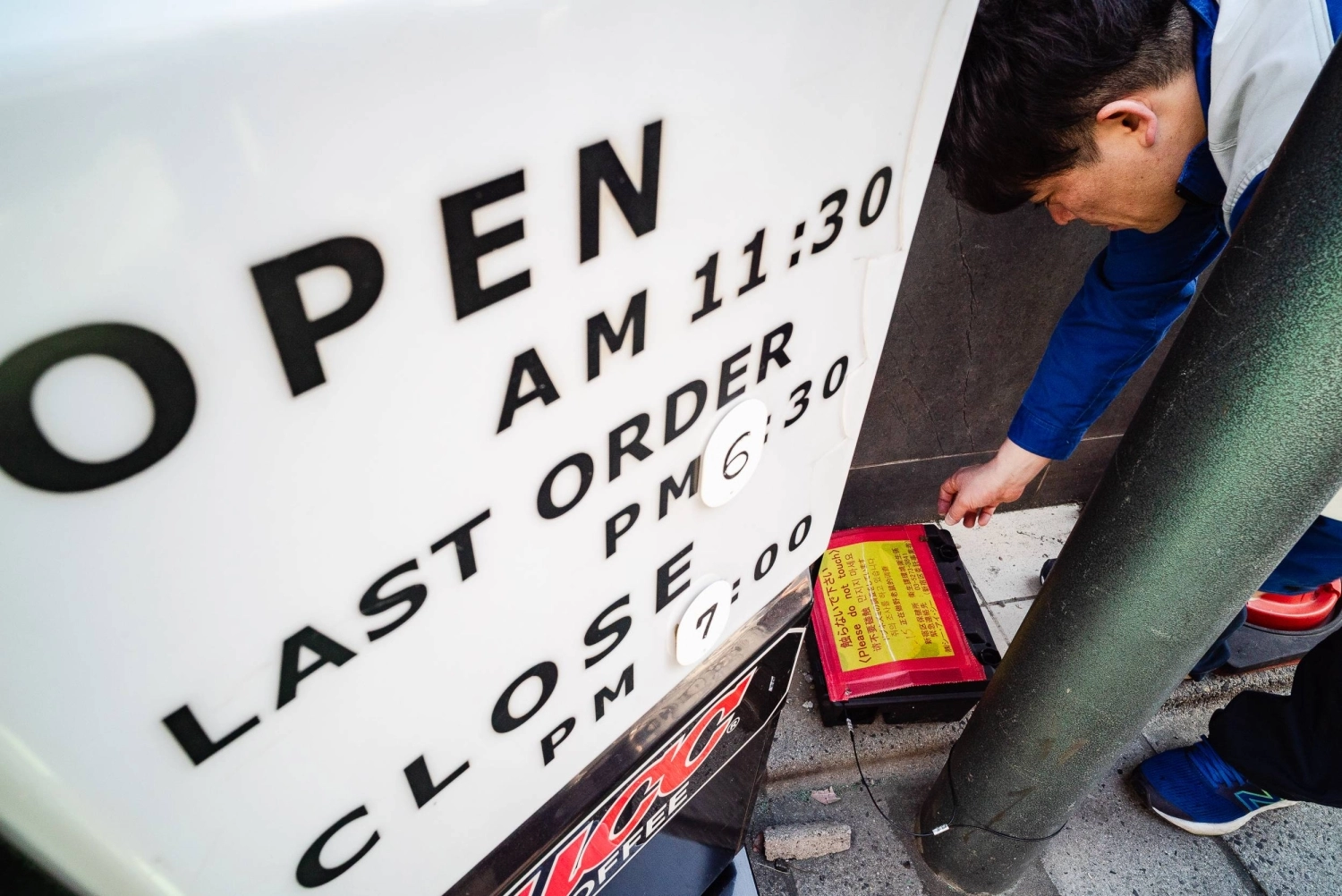
CIC workers check black boxes placed at spots that rats might frequent in Tokyo's Okubo neighborhood.


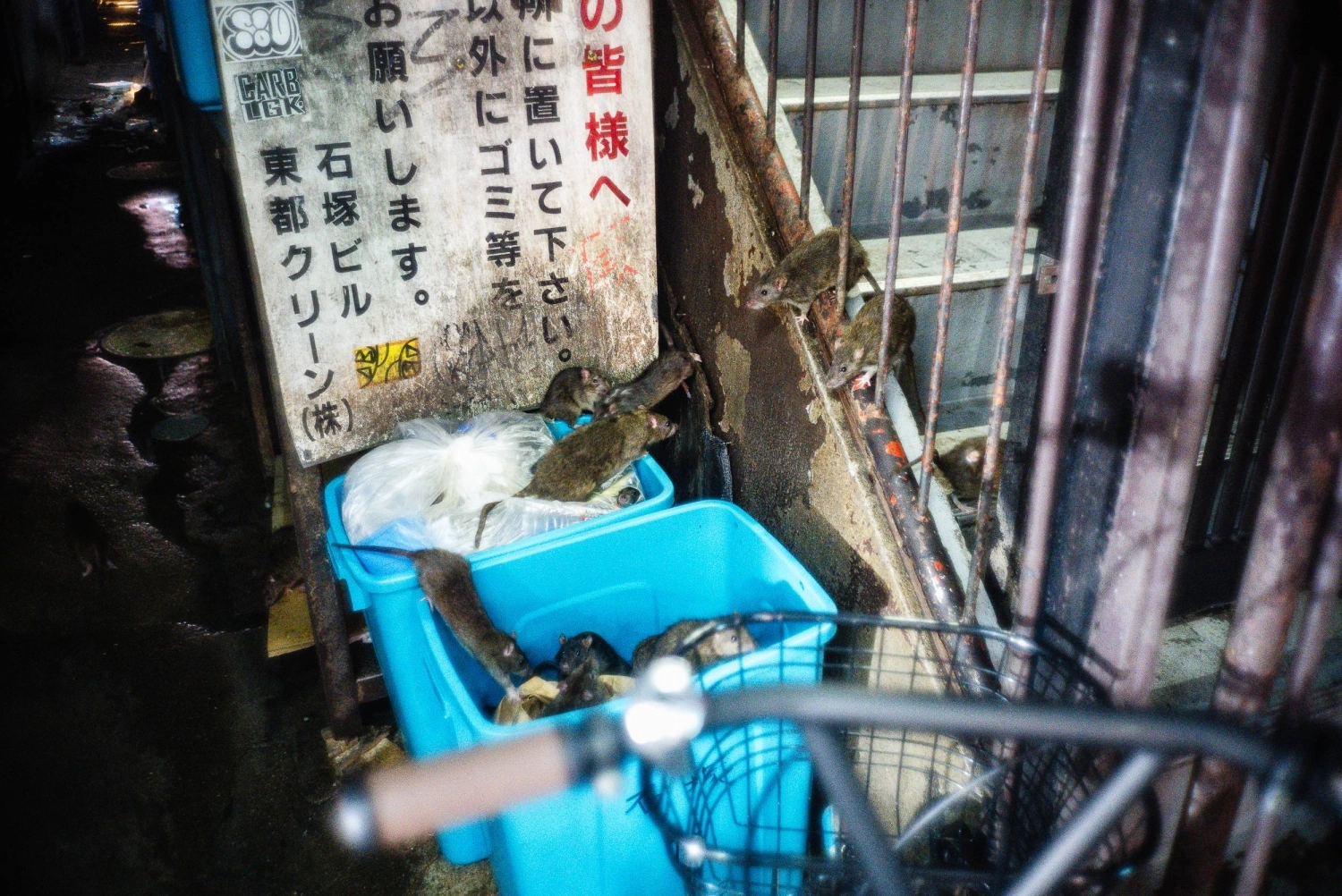
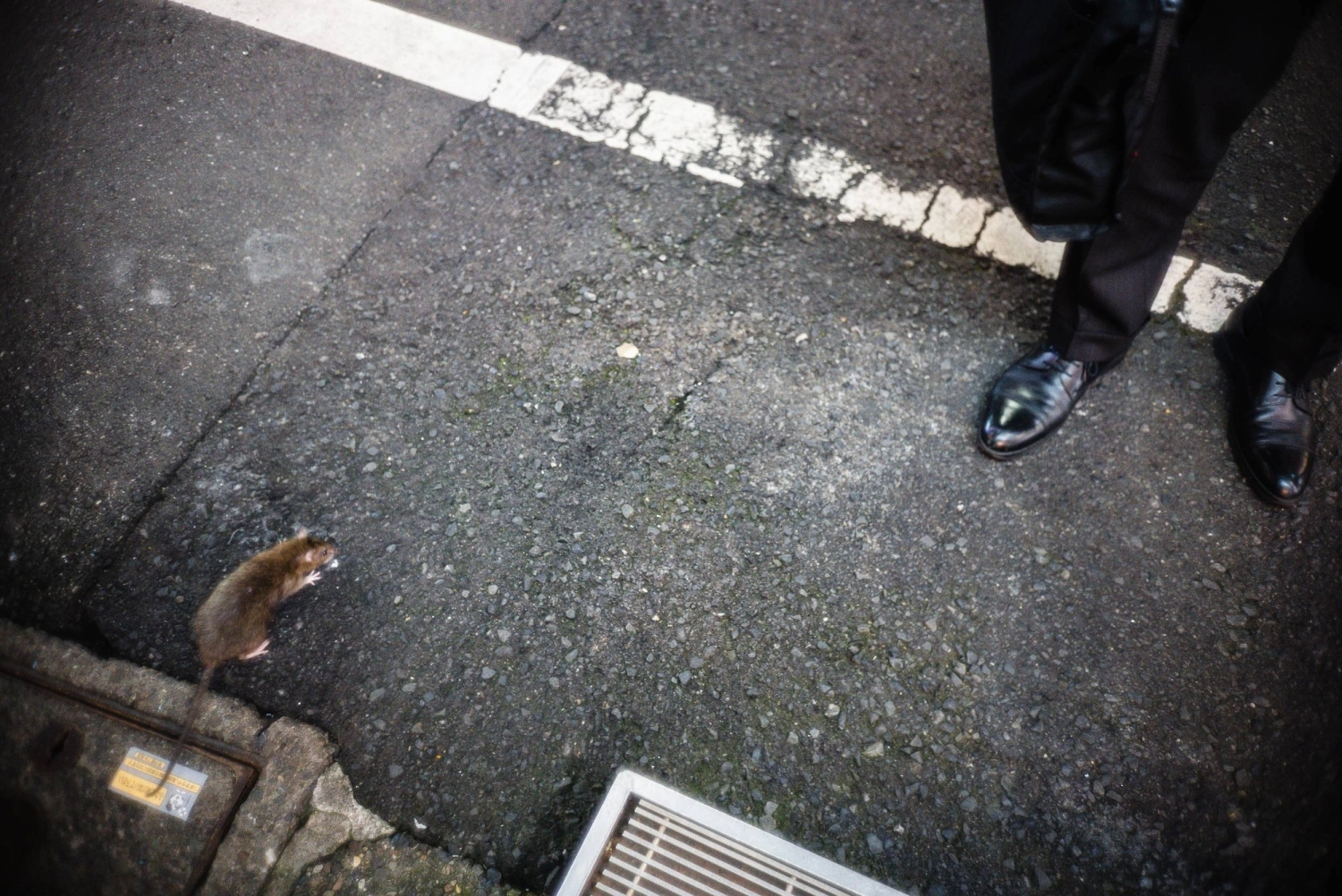
The tightly packed streets of central Tokyo are a great place for brown rats to hide.


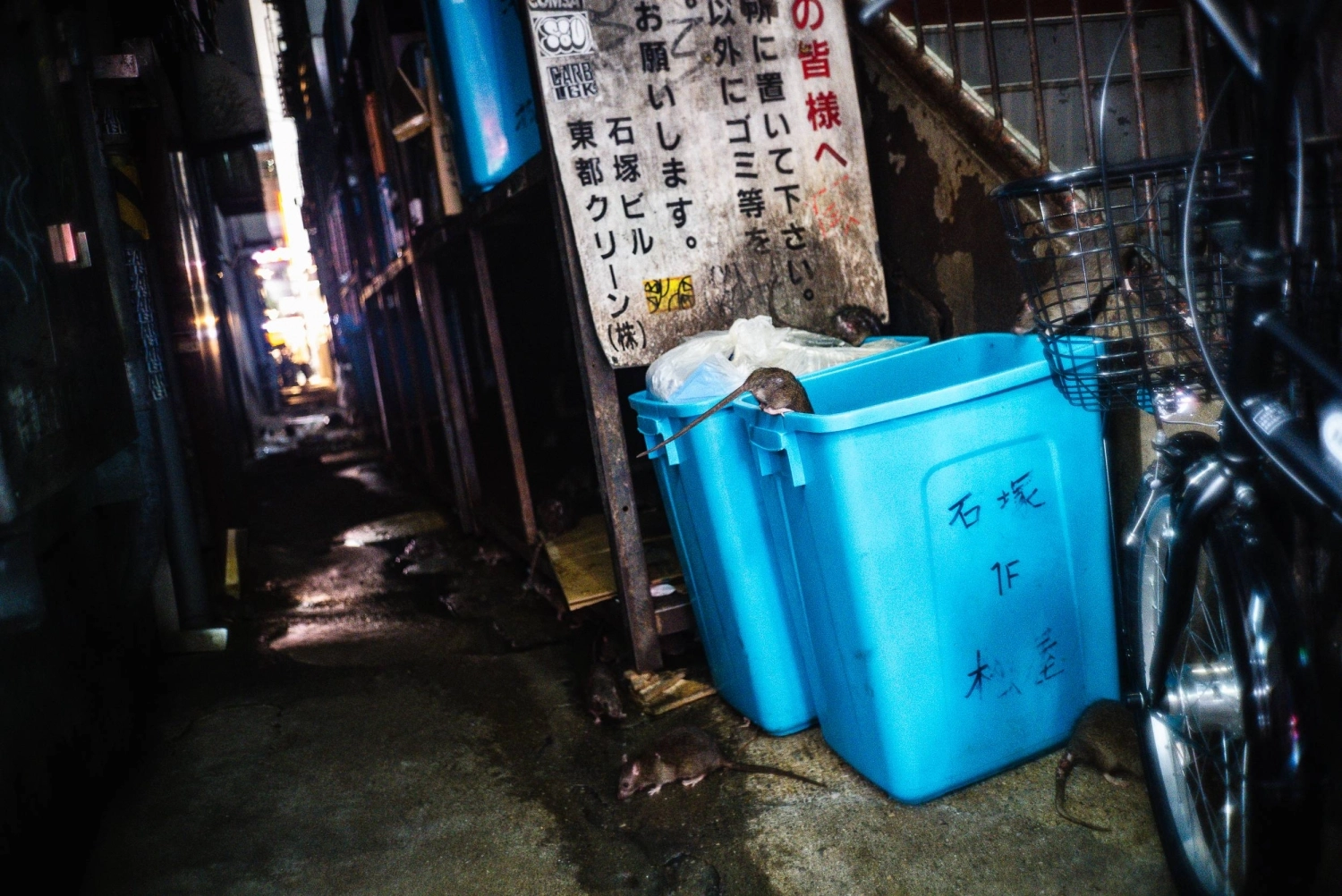
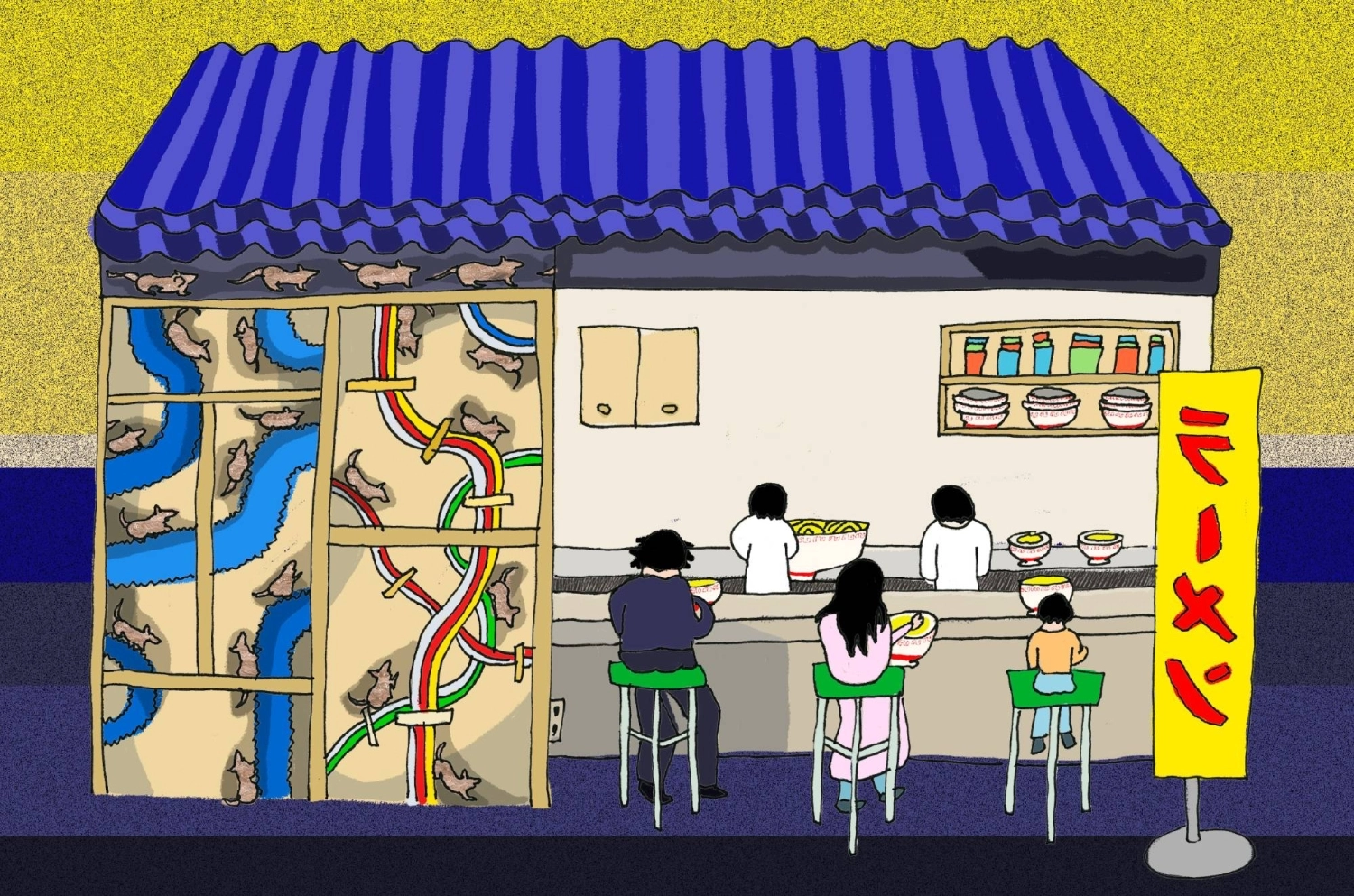
In addition to brown rats, Tokyo also hosts a number of black rats that live in the walls of old buildings and feed off kitchen leftovers.


Open access to garbage from establishments like restaurants and bars provides the city's rat population with a nightly feast.


A big concern for any city is when the rats become so numerous as to contaminate the food supply.


CIC workers check rat traps in front of an eatery in the vicinity of Okubo Station.


Business owners who are new to Japan may not yet know Tokyo's rules for proper garbage disposal.


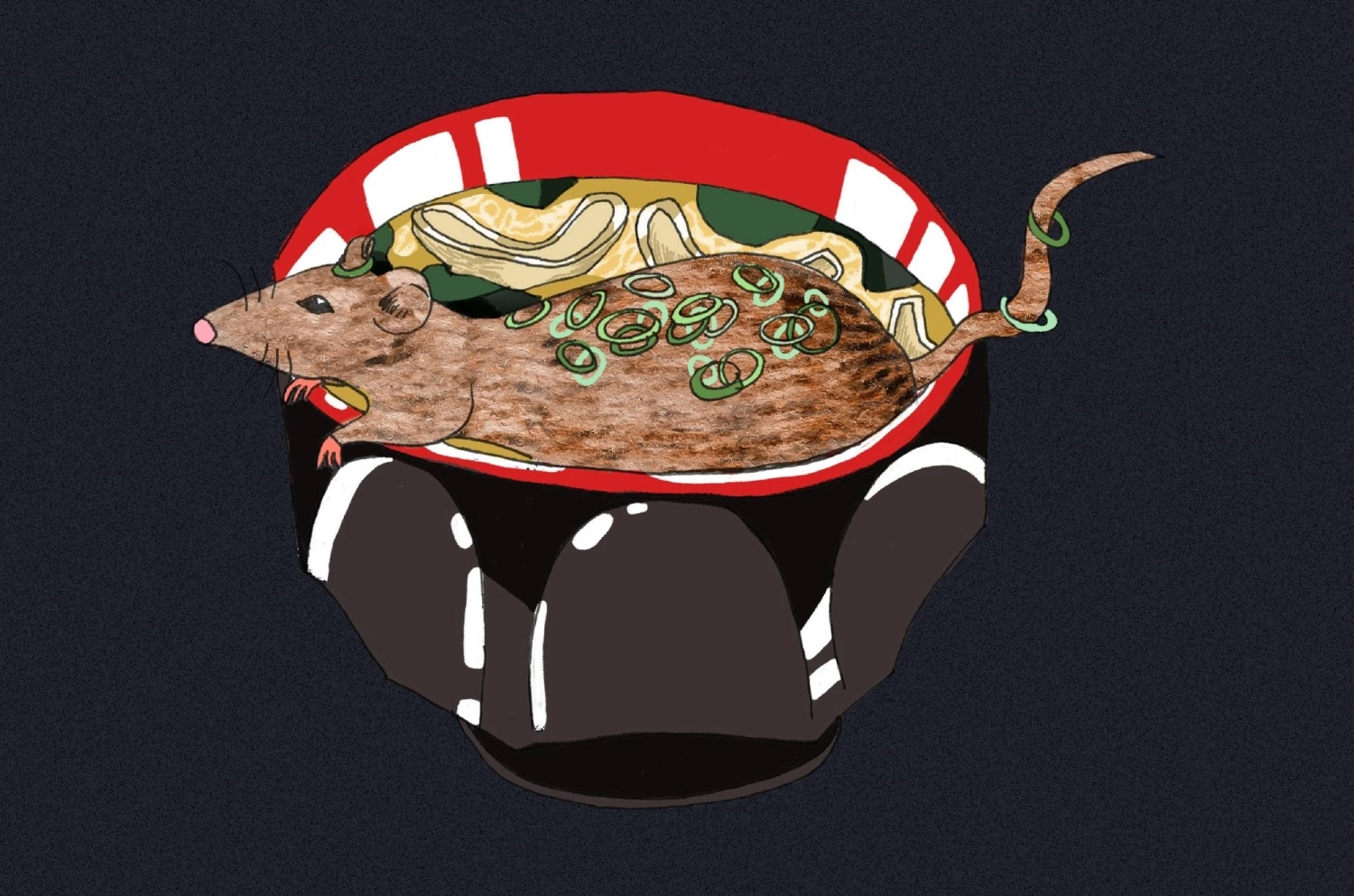
Rodents are often viewed in a positive way in Japanese mythology, sometimes as messengers of the gods.


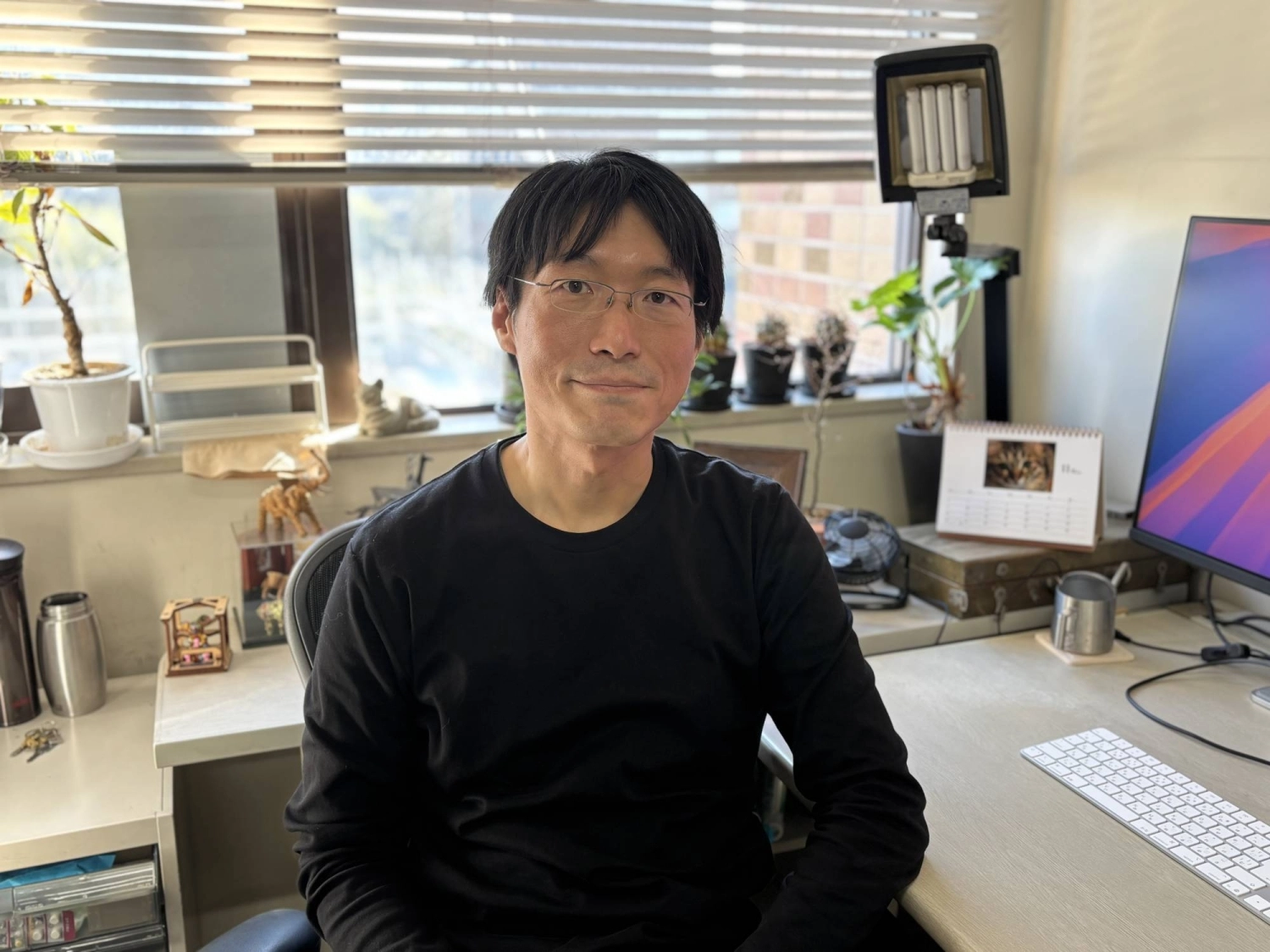
Yasushi Kiyokawa is an associate professor at the University of Tokyo and expert on rats. He is working on ways to better manage the rat population.


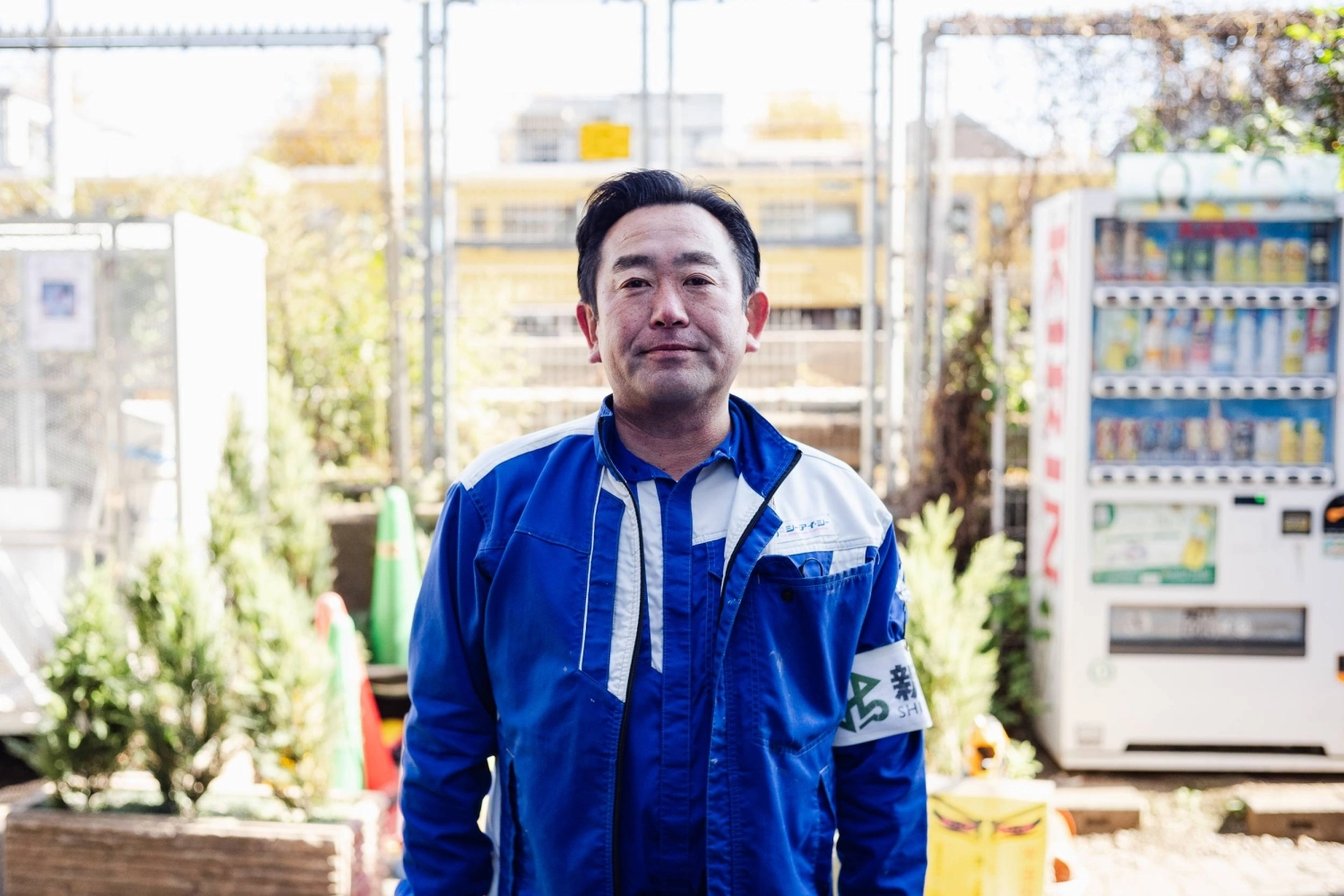
Kenji Shuto says he can only do so much when it comes to pest control. The real answer lies in better waste management.


Considering how many cities around the world deal with rats, some believe it's time to start looking at solutions that involve living together.


04:01:04 pm, Tuesday, 9 December 2025

Tokyo’s rat problem exposes cracks in city living

04:01:04 pm, Tuesday, 9 December 2025

Rats move in as garbage piles up

Tokyo’s famously tidy image is under strain as rat sightings surge in busy entertainment and shopping districts, according to pest-control firms and anxious residents. Exterminators say overflowing garbage, dense restaurant clusters and ageing buildings have created near-perfect conditions for rodents, which are now being spotted in broad daylight along alleyways and even near major train stations. Social media videos of rats swarming around rubbish bags or darting through convenience-store aisles have fuelled public disgust and pressure on local officials to respond. For shop owners, the problem is more than cosmetic: customers may stay away, landlords fret about damage to wiring and stock, and health inspectors are stepping up surprise visits.

Workers from CIC (Civil International Corporation) head through the streets near Okubo Station.

Shared responsibility, uneven response

City authorities insist they are stepping up educational campaigns and inspections, urging businesses to seal food waste, fix gaps in walls and floors, and coordinate baiting efforts so that entire blocks, rather than individual buildings, are treated at once. But some experts warn that fragmented responsibility—between ward offices, private waste contractors and building owners—makes sustained control difficult. Rising temperatures and milder winters may also be helping rats breed year-round, another reminder of how climate shifts intersect with urban hygiene. For residents, the story is a cautionary tale about what happens when tight labour markets and cost pressures push restaurants to cut corners on cleaning, or when late-night entertainment districts rely on convenience-store bins as de facto public trash cans. How Tokyo manages this “unseen infrastructure” problem over the coming year will test not only pest-control budgets but also the city’s reputation for meticulous order.
CIC workers check black boxes placed at spots that rats might frequent in Tokyo's Okubo neighborhood.


The tightly packed streets of central Tokyo are a great place for brown rats to hide.


In addition to brown rats, Tokyo also hosts a number of black rats that live in the walls of old buildings and feed off kitchen leftovers.


Open access to garbage from establishments like restaurants and bars provides the city's rat population with a nightly feast.


A big concern for any city is when the rats become so numerous as to contaminate the food supply.


CIC workers check rat traps in front of an eatery in the vicinity of Okubo Station.


Business owners who are new to Japan may not yet know Tokyo's rules for proper garbage disposal.


Rodents are often viewed in a positive way in Japanese mythology, sometimes as messengers of the gods.


Yasushi Kiyokawa is an associate professor at the University of Tokyo and expert on rats. He is working on ways to better manage the rat population.


Kenji Shuto says he can only do so much when it comes to pest control. The real answer lies in better waste management.


Considering how many cities around the world deal with rats, some believe it's time to start looking at solutions that involve living together.