
JAPAN QUAKE TRIGGERS TSUNAMI AND RENEWS QUESTIONS ABOUT DISASTER READINESS

Emergency response and early warnings under scrutiny
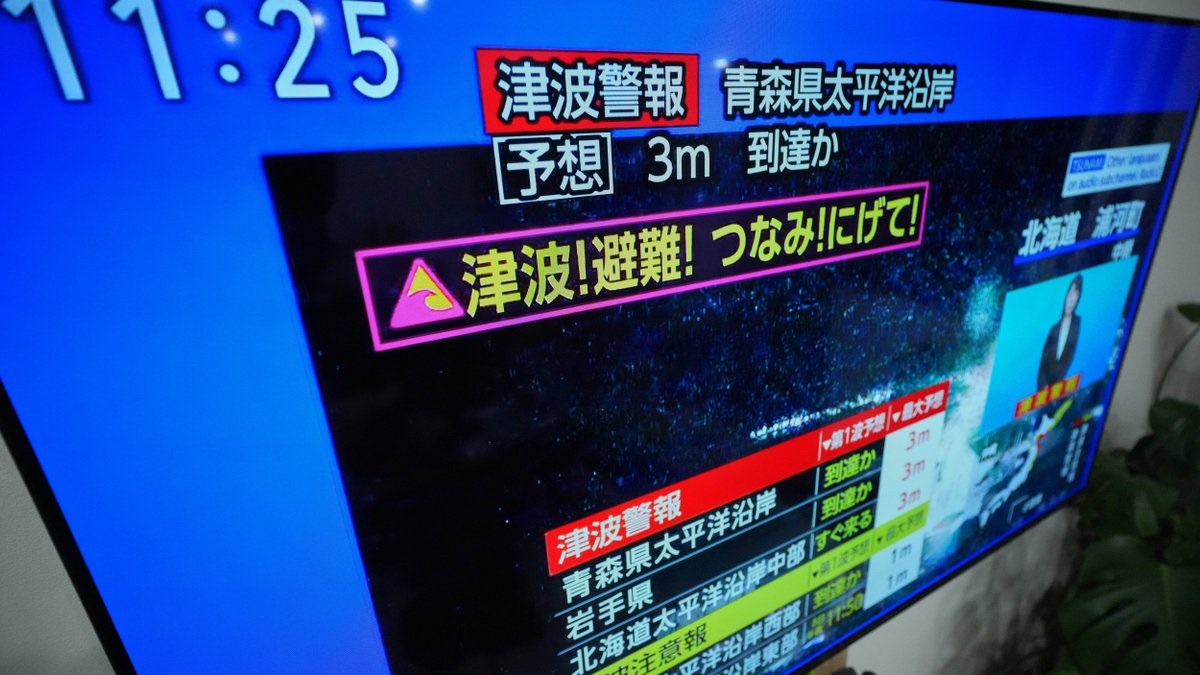
A powerful magnitude 7.5 earthquake off Japan’s northern coast has injured at least two dozen people and triggered tsunami waves of around 60 centimeters along parts of Hokkaido’s shoreline. Authorities issued immediate tsunami warnings, shut down coastal roads, and halted some rail services as residents rushed to higher ground or moved to designated shelters. While no large-scale structural collapses were reported in the first hours, images of damaged shops, fallen ceiling panels, and smashed windows underscored how even a relatively contained event can shake local communities already accustomed to living with seismic risk.
The quake once again tested Japan’s dense network of early-warning systems, evacuation drills, and strict building codes created after past catastrophes such as the 2011 Tohoku disaster. Officials said the alert system performed largely as intended, giving coastal residents several crucial minutes to move inland. But local mayors and emergency workers pointed to gaps: elderly residents who struggled to evacuate quickly, narrow coastal roads that clogged as cars and buses converged, and confusion among tourists unfamiliar with sirens and signage. Engineers will now inspect bridges, ports, and power infrastructure in northern Japan to check for hidden damage that could complicate recovery efforts in the weeks ahead.
Regional impact and broader seismic risks in Asia-Pacific
Beyond immediate injuries and localized flooding, the quake has renewed wider worries about seismic risk across the seismically active Pacific “Ring of Fire.” Japan’s meteorological agency has cautioned that strong aftershocks could continue for days, raising the possibility of further landslides in rural areas already softened by winter rains. Energy regulators are reviewing safety checks at nearby power plants and LNG terminals, keen to avoid any disruption to a grid that has been under pressure from rising demand and volatile fossil fuel prices.
Diplomats in Tokyo noted that a severe nuclear incident or large-scale blackout in northern Japan would ripple through regional supply chains, from car parts to semiconductor materials. The quake has also prompted questions about how well other Asia-Pacific countries would cope with a similar shock, given that many do not have Japan’s combination of strict building standards and well-funded disaster agencies. For Japan itself, public debate is likely to focus on whether enough resources are reaching smaller coastal towns, where aging populations and shrinking tax bases make it harder to maintain sea walls, vertical evacuation towers, and up-to-date emergency communication systems.