

OIL PRICES SLIP AS UKRAINE PEACE TALKS AND GLUT SHAPE ENERGY MARKET MOOD

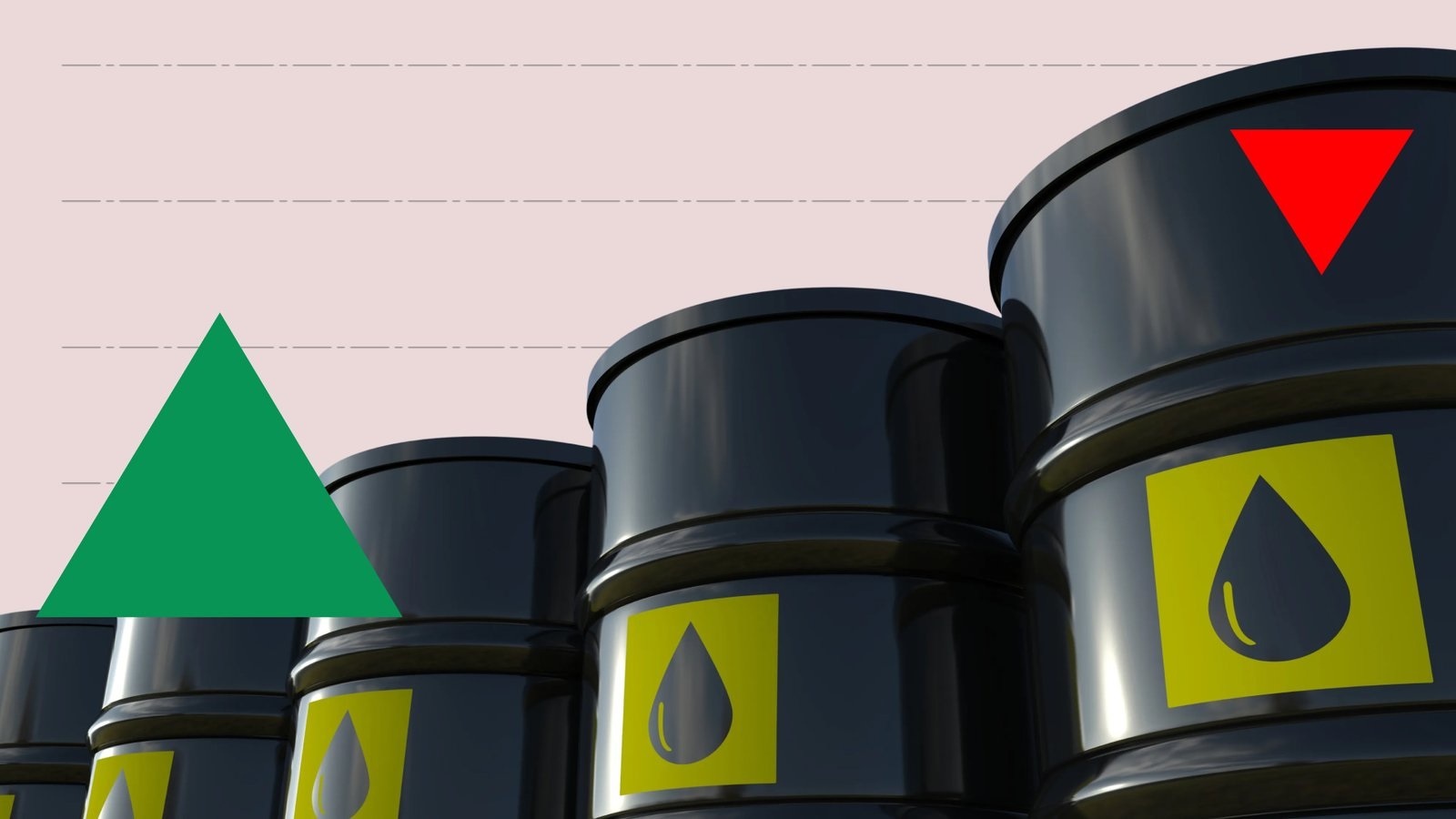
Traders weigh diplomacy, demand outlook and OPEC+ discipline
Global oil prices fell back from recent highs as traders digested signs of progress in Ukraine peace talks alongside evidence of a growing supply surplus. Futures for key crude benchmarks edged lower in early Tuesday trading, extending declines from the previous session as market participants reassessed the risk premium they had built in over fears of prolonged conflict and potential pipeline attacks. Analysts said the combination of higher-than-expected exports from some producers and softening demand in parts of Europe and Asia has created a looser market than many expected heading into winter.

The latest data have also sharpened questions about whether the OPEC+ alliance will stick to voluntary output cuts if prices stay under pressure. Some members rely heavily on oil revenues to fund domestic spending plans, and a sustained downturn could test their willingness to keep barrels off the market. At the same time, refiners in Asia are juggling cheaper crude against sluggish margins, with high inventories of transport fuels and petrochemicals. For consumers, the pullback may offer modest relief at fuel pumps, but any benefits will depend on how quickly retailers adjust prices and how foreign-exchange moves shape local costs.
Climate goals, investment signals and energy transition tensions
Beyond short-term price moves, the latest bout of volatility underscores how geopolitical shocks are colliding with longer-term climate and energy-transition goals. Investors who back low-carbon projects say unpredictable oil prices complicate decisions about when to shift capital into renewables, efficiency upgrades, or grid infrastructure. A sudden drop in crude can make fossil-fuel investments look temporarily more attractive, even as governments promise to phase out unabated oil and gas in the coming decades. That tension is visible in corporate strategies: some major producers are doubling down on high-return oil projects while marketing themselves as partners in decarbonisation.
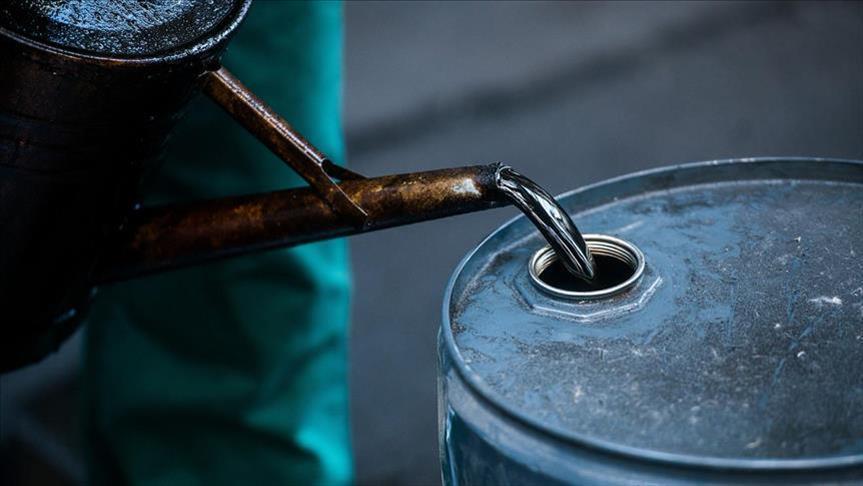
For countries dependent on imported fuel, today’s softer prices offer a chance to rebuild strategic stockpiles and reduce near-term inflationary pressure. But climate campaigners argue that governments should seize such moments to cut subsidies and invest the savings in public transport, home insulation, and clean power instead of locking in more fossil dependence. Central banks, meanwhile, are watching energy markets as they weigh interest-rate paths: a sustained easing in oil prices could help bring headline inflation closer to target, but policymakers remain wary of fresh supply or security shocks that could reverse the trend overnight. The message from traders is clear—until there is more certainty on peace talks, OPEC+ policy, and the pace of the energy transition, oil will remain prone to sharp swings.