
FLOODS IN INDONESIA PUT RARE ORANGUTANS UNDER NEW THREAT

Cyclone-driven landslides shred forest homes in North Sumatra
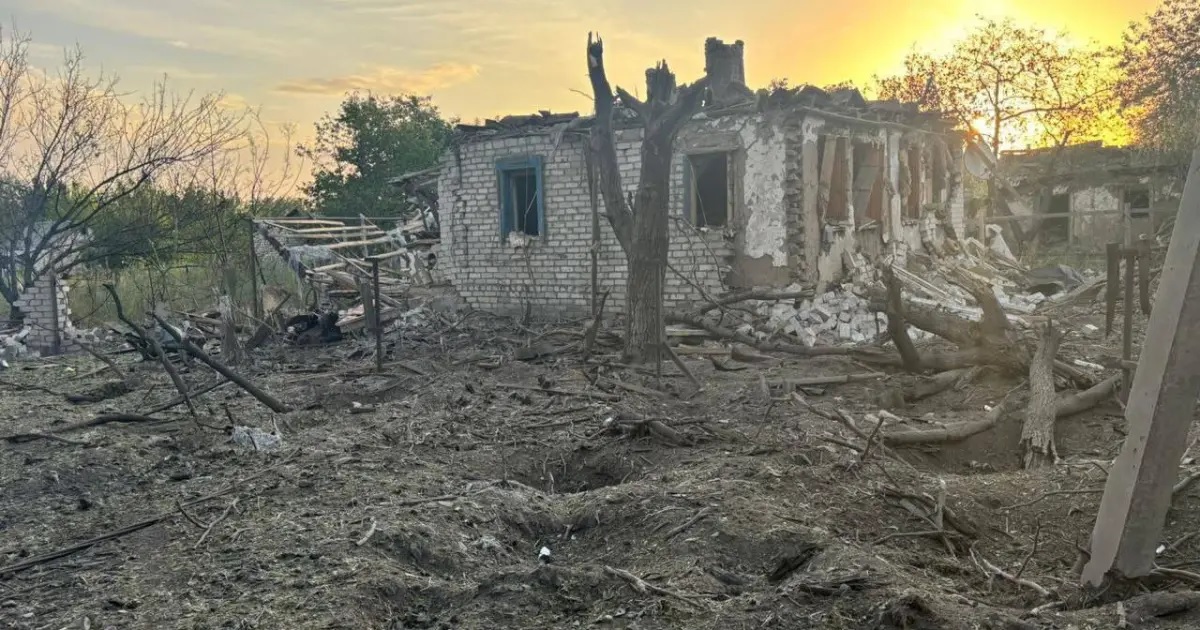
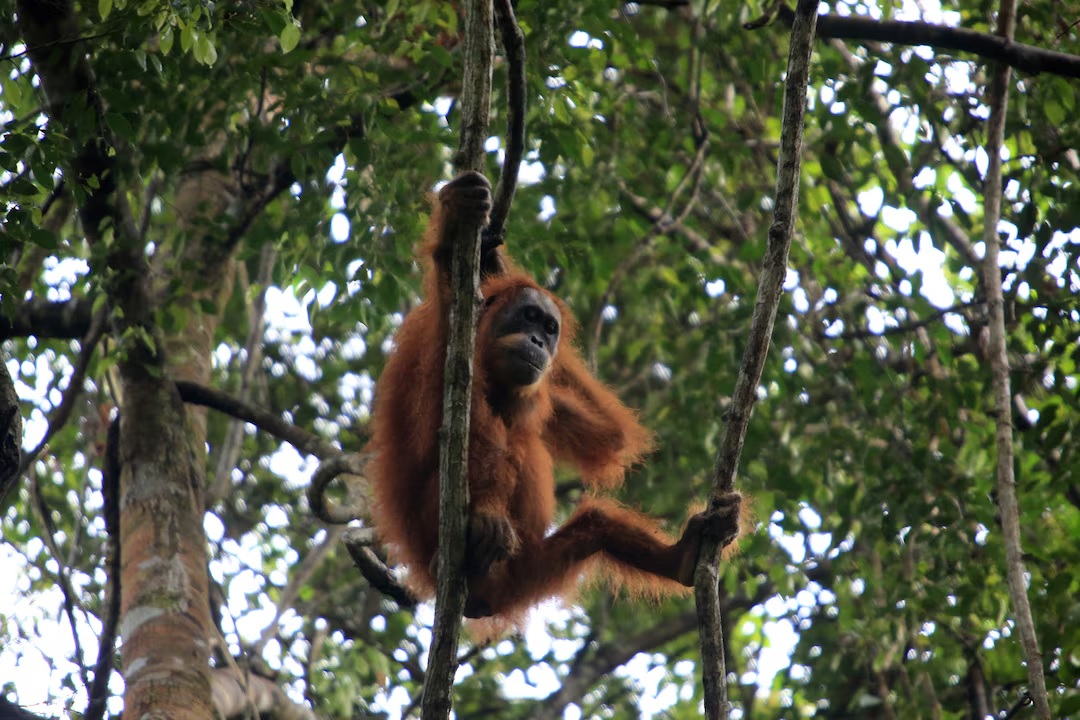
Weeks after deadly floods and landslides tore through parts of Indonesia, conservation rangers in North Sumatra say the forest has fallen eerily silent. Before the cyclone-induced disaster, patrols around Sipirok often spotted Tapanuli orangutans feeding on durian and other fruits that grow near smallholder farms. Now local ranger Amran Siagian describes walking the same hills and hearing no rustle in the canopy, no hoots from the treetops—only bare slopes where trees were ripped away. Officials say the storms killed hundreds of people across Indonesia, Thailand, and Malaysia, but for one of the world’s rarest great apes, the real danger may be slower and harder to count: the steady erasing of habitat.

Environmental groups and local leaders argue that heavy deforestation linked to logging and mining made the landslides far worse. Photos from Sipirok show ridges where large trees have been cleared over the past year, leaving thin strips of vegetation between plantations and villages. Rangers say orangutans that once travelled from branch to branch now face yawning gaps in the canopy, forcing them to descend to the ground where they are more vulnerable to hunters, dogs, and conflict with farmers. The Orangutan Information Center estimates that around 760 Tapanuli orangutans live in the region, while conservation groups put the broader Indonesia–Malaysia orangutan population at roughly 119,000—numbers that could shrink sharply if storms like this become more frequent in a warming world.
Deforestation, climate extremes and the fight to keep apes in the wild
Scientists say the disaster illustrates how climate change and land-use decisions interact: more intense rainfall events hitting landscapes stripped of deep-rooted trees translate into lethal mudslides, not just for people but for wildlife that has nowhere else to go. In theory, Indonesia has tightened rules on clearing primary forest and peatland, yet enforcement on the ground is uneven and local communities often lack leverage against well-connected companies. Conservationists are pushing Jakarta to treat orangutan habitat as critical natural infrastructure—vital for preventing floods and landslides—and to fund community-based patrols that can monitor illegal logging in real time.
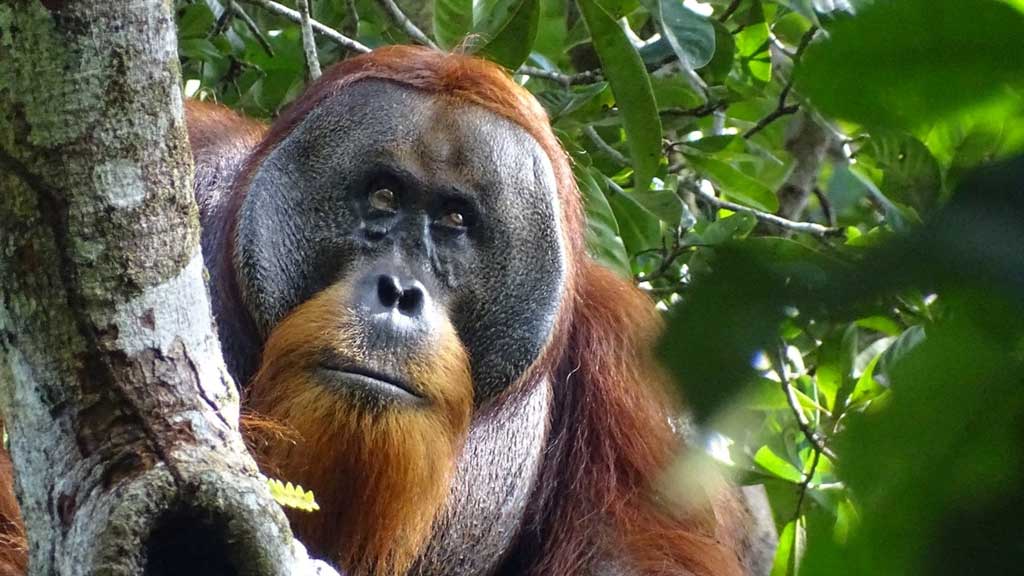
For rangers like Siagian, the work now is part tracking, part mourning. They are mapping where the forest has collapsed, searching for feeding traces, and talking with villagers about how to protect remaining fruit trees from being cut down or poisoned. Some propose expanding wildlife corridors that link fragmented patches of forest so that orangutans can move without crossing cleared land. Others argue for compensation schemes that reward farmers for preserving shade trees and allowing apes to feed, rather than treating them as crop thieves. The question hanging over all these ideas is urgency: with deforestation, extractive industries and extreme weather all bearing down at once, conservationists fear they could lose Tapanuli orangutans in a single human generation.