
TSUNAMI WARNINGS LIFTED AFTER POWERFUL QUAKE JOLTS NORTHEASTERN JAPAN

Night-time M7.5 shock tests early-warning systems and coastal preparedness
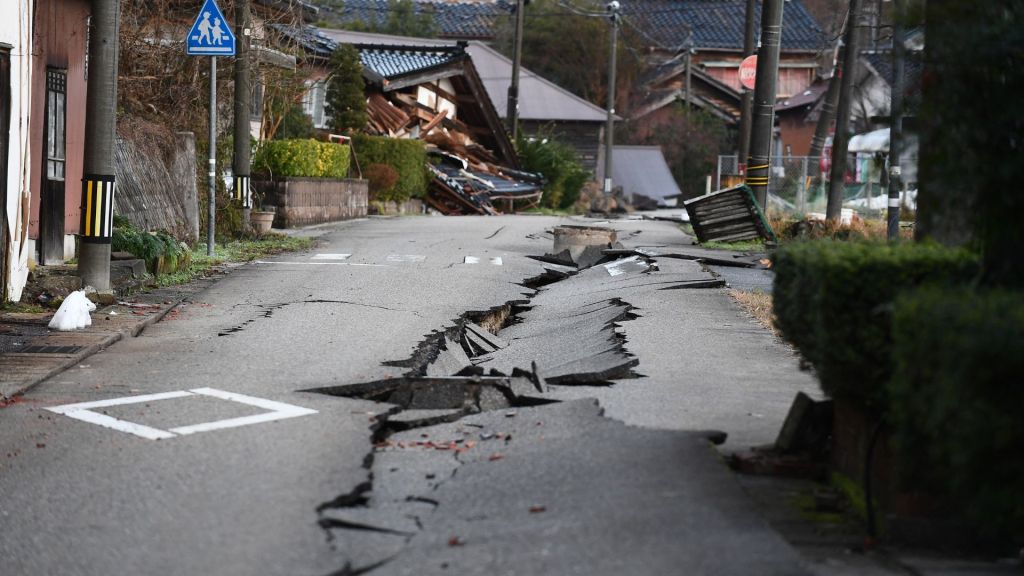
Residents of Japan’s northeastern coast spent a tense night after a magnitude-7.5 earthquake struck off the Pacific shore near Aomori and Hokkaido, triggering tsunami warnings and evacuation orders. The tremor, which hit late Monday, shook apartment blocks, factories and train lines for what witnesses described as unusually long, rolling seconds. Authorities temporarily issued major tsunami warnings for parts of the Sanriku and Hokkaido coasts, urging people in low-lying areas to move to higher ground, even if that meant spending the night in schools and community centres.
By Tuesday morning, the Japan Meteorological Agency had lifted the warnings, reporting only relatively small tsunami waves and no large-scale inundation. At least a few dozen people were injured, mainly by falling objects and broken glass, with some elderly residents hurt while trying to evacuate in the dark. Power and transport disruptions were limited compared with previous major quakes; bullet train services were briefly halted for safety checks before gradually resuming. Engineers are now inspecting bridges, seawalls and nuclear facilities, but early reports suggest no serious structural damage or radiation leaks.
Scientists noted that the quake generated what is known as long-period ground motion, causing tall buildings in Tokyo and other eastern cities to sway for a prolonged time. That phenomenon can unsettle residents far from the epicentre and stress high-rise structures, even when the direct shaking near the coast is less intense. The government issued its first-ever special advisory for the possibility of subsequent large quakes and tsunamis in the region, warning that aftershocks could continue for days or even weeks.

From Tohoku trauma to new response playbook
For many in Tohoku, the latest quake immediately revived memories of the 2011 disaster, when a massive tsunami killed nearly 20,000 people and triggered a nuclear crisis in Fukushima. Since then, Japan has poured billions of dollars into new sea walls, elevated roads, upgraded early-warning systems and regular evacuation drills. This week’s event offered the clearest test yet of that post-2011 infrastructure in a real emergency.
Initial assessments suggest that sirens, mobile alerts and television broadcasts reached most coastal communities quickly, giving residents precious minutes to move to higher ground. Local governments reported strong participation in evacuation, though some people hesitated, worried that leaving home at night in winter could be more dangerous than staying put. Officials say they will review how clearly advisories differentiated between limited tsunami risks and worst-case scenarios, so that residents neither panic nor become complacent.
The quake also highlighted the importance of keeping disaster awareness alive more than a decade after 2011. Young people who were children at the time are now adults making their own decisions about when and how to evacuate. Schools and companies in the affected region are planning refresher drills and counselling, mindful of the psychological toll that repeated large quakes can impose. For the rest of Asia’s seismically active coasts—from Indonesia to the Philippines—the Japanese experience is a reminder that investment in early-warning systems and public education can sharply reduce casualties even when nature cannot be tamed.