8:21 pm, Monday, 15 December 2025

Sydney attack on Hanukkah gathering prompts terror probe and security reset

Sarakhon Report

Investigation and early facts

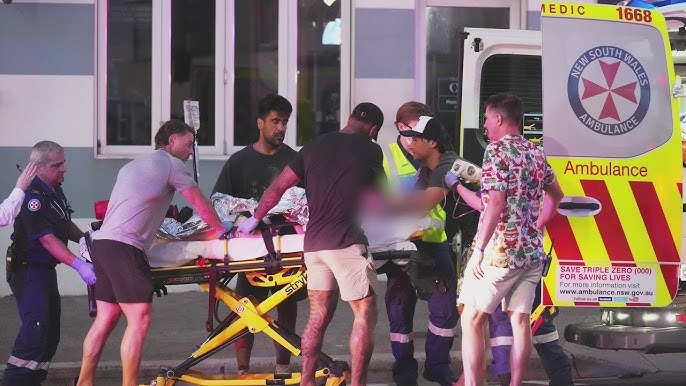
Australian authorities said gunmen attacked a Hanukkah event at Sydney’s Bondi Beach, killing and injuring people in what officials described as terrorism. Police said one attacker was shot dead at the scene and another was arrested, while emergency crews treated victims across a wide area as crowds fled. The government framed the attack as both a national security crisis and a test of communal cohesion, urging the public not to target any community in retaliation. Investigators focused on how the gunmen reached the venue, what weapons were used, and whether there were warning signs online or in travel and purchasing records.
Bondi Beach: Father and son gunmen kill 15 at Jewish event

In the immediate aftermath, Australia raised security around Jewish sites and other public gatherings, including schools, synagogues, and cultural venues. Community leaders called for calm while asking the government to match words with practical protection, especially during the holiday period when public celebrations are common. Authorities also warned against misinformation, saying that unverified claims were spreading quickly on social platforms and could interfere with witness testimony and evidence collection.

Wider political and social stakes

The attack landed in a tense environment where Australia has reported a surge of antisemitic incidents since the Israel–Hamas war began, including vandalism, threats, and harassment. Officials stressed that policing hate crimes and preventing politically motivated violence are linked problems, because online incitement can move from speech into real-world targeting. Opposition figures questioned whether intelligence-sharing and local prevention programs were adequately resourced, while the government defended its posture and said the priority was identifying networks, motives, and any support structure behind the gunmen.

A man looks at belongings stacked up following a shooting the day prior at Sydney's Bondi Beach, Monday, Dec. 15, 2025. (AP Photo/Mark Baker)

The incident also renewed debate about public event security in a country where mass shootings are relatively rare and strict gun laws remain a point of national identity. Even so, crowded open-air venues pose difficult tradeoffs: heavy screening can deter attendance and strain local policing budgets, but lighter security leaves soft targets exposed. Analysts noted that attackers often choose symbolic dates and high-visibility locations to maximize fear and media impact.

Beyond Sydney, the attack is expected to shape Australia’s engagement with partners on counterterrorism and violent extremism, including monitoring transnational propaganda and financing. Officials signaled that any confirmed ideological driver—whether antisemitic, extremist, or mixed—would bring a policy response spanning law enforcement, tech platforms, and community resilience programs. For residents and visitors, the immediate reality is tighter security at public gatherings and a grief process that will unfold alongside court proceedings and a long investigative timeline.
Police patrol in the early morning following a shooting Sunday at Sydney's Bondi Beach, Monday, Dec. 15, 2025. (AP Photo/Mark Baker)

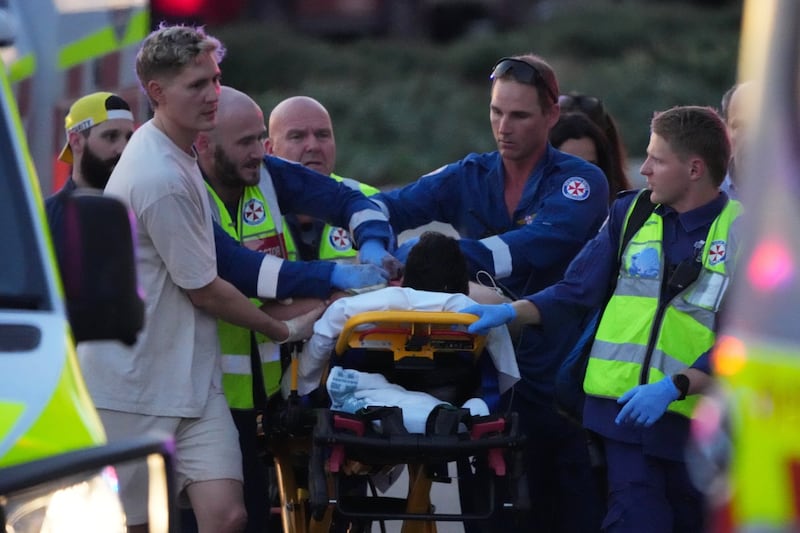
Emergency workers transport a person on a stretcher after a reported shooting at Bondi Beach in Sydney, Sunday, Dec. 14, 2025. (AP Photo/Mark Baker)


A police officer talks to a member of the public following a shooting the day prior at Sydney's Bondi Beach, Monday, Dec. 15, 2025. (AP Photo/Mark Baker)

04:49:27 pm, Monday, 15 December 2025

Sydney attack on Hanukkah gathering prompts terror probe and security reset

04:49:27 pm, Monday, 15 December 2025

Investigation and early facts

Australian authorities said gunmen attacked a Hanukkah event at Sydney’s Bondi Beach, killing and injuring people in what officials described as terrorism. Police said one attacker was shot dead at the scene and another was arrested, while emergency crews treated victims across a wide area as crowds fled. The government framed the attack as both a national security crisis and a test of communal cohesion, urging the public not to target any community in retaliation. Investigators focused on how the gunmen reached the venue, what weapons were used, and whether there were warning signs online or in travel and purchasing records.

Bondi Beach: Father and son gunmen kill 15 at Jewish event

In the immediate aftermath, Australia raised security around Jewish sites and other public gatherings, including schools, synagogues, and cultural venues. Community leaders called for calm while asking the government to match words with practical protection, especially during the holiday period when public celebrations are common. Authorities also warned against misinformation, saying that unverified claims were spreading quickly on social platforms and could interfere with witness testimony and evidence collection.

Wider political and social stakes

The attack landed in a tense environment where Australia has reported a surge of antisemitic incidents since the Israel–Hamas war began, including vandalism, threats, and harassment. Officials stressed that policing hate crimes and preventing politically motivated violence are linked problems, because online incitement can move from speech into real-world targeting. Opposition figures questioned whether intelligence-sharing and local prevention programs were adequately resourced, while the government defended its posture and said the priority was identifying networks, motives, and any support structure behind the gunmen.

A man looks at belongings stacked up following a shooting the day prior at Sydney's Bondi Beach, Monday, Dec. 15, 2025. (AP Photo/Mark Baker)

The incident also renewed debate about public event security in a country where mass shootings are relatively rare and strict gun laws remain a point of national identity. Even so, crowded open-air venues pose difficult tradeoffs: heavy screening can deter attendance and strain local policing budgets, but lighter security leaves soft targets exposed. Analysts noted that attackers often choose symbolic dates and high-visibility locations to maximize fear and media impact.

Beyond Sydney, the attack is expected to shape Australia’s engagement with partners on counterterrorism and violent extremism, including monitoring transnational propaganda and financing. Officials signaled that any confirmed ideological driver—whether antisemitic, extremist, or mixed—would bring a policy response spanning law enforcement, tech platforms, and community resilience programs. For residents and visitors, the immediate reality is tighter security at public gatherings and a grief process that will unfold alongside court proceedings and a long investigative timeline.

Police patrol in the early morning following a shooting Sunday at Sydney's Bondi Beach, Monday, Dec. 15, 2025. (AP Photo/Mark Baker)

Emergency workers transport a person on a stretcher after a reported shooting at Bondi Beach in Sydney, Sunday, Dec. 14, 2025. (AP Photo/Mark Baker)


A police officer talks to a member of the public following a shooting the day prior at Sydney's Bondi Beach, Monday, Dec. 15, 2025. (AP Photo/Mark Baker)