8:11 pm, Monday, 15 December 2025

AI image generators are getting better by getting worse

Sarakhon Report

A ‘messy’ new benchmark

A growing number of AI image tools are being judged not only by sharpness and realism, but by how well they handle ambiguity, style drift, and deliberate imperfection. The new argument is counterintuitive: systems that always aim for flawless polish can become predictable and brittle, while models that can produce “usefully wrong” outputs—odd textures, imperfect hands, unexpected lighting—may actually reflect a deeper grasp of prompts and creative intent. That shift matters because image generation is moving from novelty into routine workflows, where artists and teams often want variation, not a single “best” result.
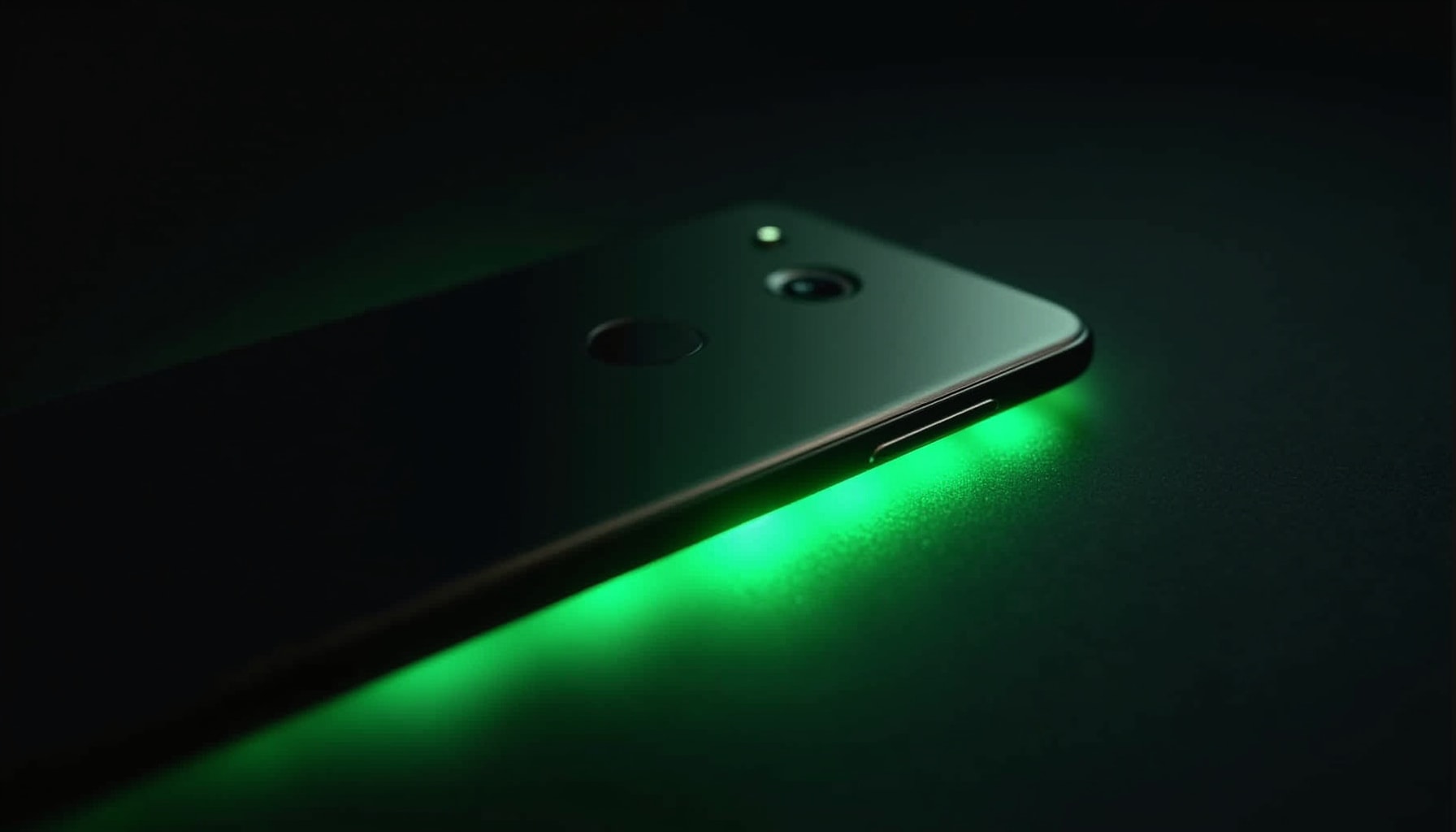
AI image generators are getting better by getting worse | dera | dera

Researchers and product teams are also rethinking what “quality” means when users ask for something that doesn’t exist, mixes eras, or requires a mood rather than a literal scene. In those cases, the ability to interpret fuzzy instructions—and to offer multiple plausible directions—can be more valuable than photoreal detail. Some creators say the most productive sessions happen when the model surprises them in ways they can edit and steer, rather than when it nails a generic stock-photo look.

Why failure modes can be a feature

This doesn’t mean users want broken tools. It means certain failure modes can be harnessed: inconsistent outputs can produce exploration; small artifacts can prompt new composition choices; and stylistic “mistakes” can reveal options a human wouldn’t have tried first. In creative fields, the goal is often a strong draft that invites iteration, not a final image on the first attempt. The tooling ecosystem is adapting, with workflows that treat generation as a collaborative sketching stage—generate, curate, remix, and refine—rather than a one-shot vending machine.

I heard AI art generators are getting worse because their feeding on AI art  and cannibalizing itself. It's called model collapse!" : r/DefendingAIArt

At the same time, the push toward “worse” raises risks. If models are tuned to be more chaotic, users may see more unwanted distortions, identity confusion, or outputs that look plausible but drift from instructions. That can create brand and trust problems for newsrooms, advertisers, and creators who need consistency. It also complicates safety efforts: moderation systems trained on typical outputs may struggle when the model is encouraged to produce stranger, more boundary-pushing imagery.

The likely end state is segmentation. Some products will optimize for reliability—clean, on-brand visuals that match a prompt closely. Others will intentionally optimize for exploratory creativity, where a controlled level of weirdness is a selling point. The bigger lesson is that “better” is becoming context-dependent: the right model is the one that matches the job, the user’s tolerance for surprise, and the cost of getting something wrong.
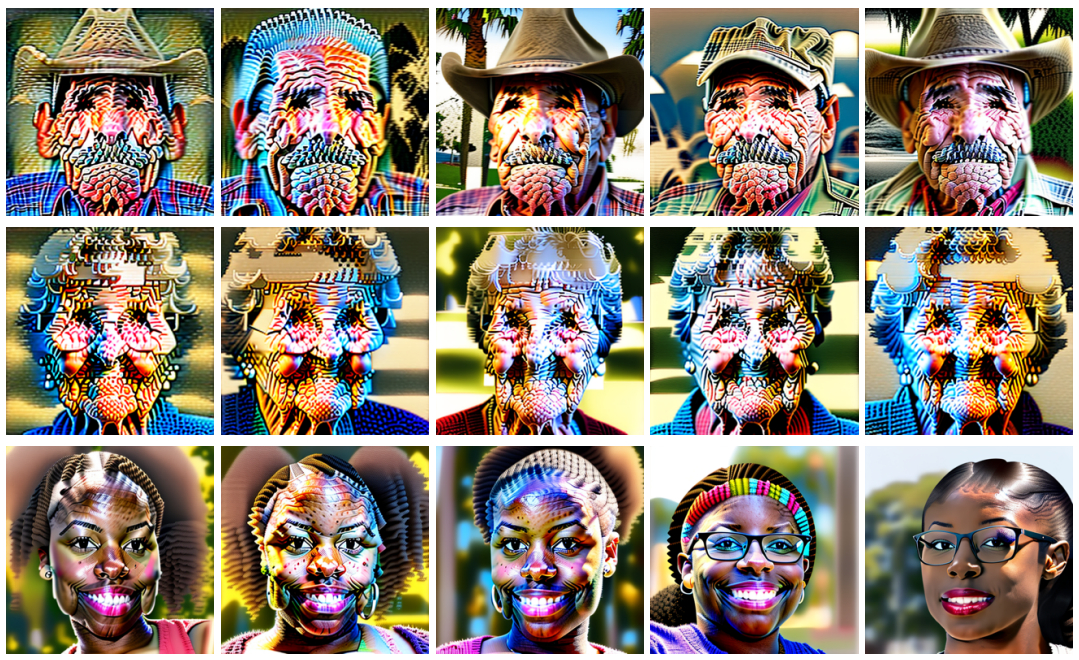
Research shows AI image generators could be their own demise | Creative Bloq


04:57:53 pm, Monday, 15 December 2025

AI image generators are getting better by getting worse

04:57:53 pm, Monday, 15 December 2025

A ‘messy’ new benchmark

A growing number of AI image tools are being judged not only by sharpness and realism, but by how well they handle ambiguity, style drift, and deliberate imperfection. The new argument is counterintuitive: systems that always aim for flawless polish can become predictable and brittle, while models that can produce “usefully wrong” outputs—odd textures, imperfect hands, unexpected lighting—may actually reflect a deeper grasp of prompts and creative intent. That shift matters because image generation is moving from novelty into routine workflows, where artists and teams often want variation, not a single “best” result.

AI image generators are getting better by getting worse | dera | dera

Researchers and product teams are also rethinking what “quality” means when users ask for something that doesn’t exist, mixes eras, or requires a mood rather than a literal scene. In those cases, the ability to interpret fuzzy instructions—and to offer multiple plausible directions—can be more valuable than photoreal detail. Some creators say the most productive sessions happen when the model surprises them in ways they can edit and steer, rather than when it nails a generic stock-photo look.

Why failure modes can be a feature

This doesn’t mean users want broken tools. It means certain failure modes can be harnessed: inconsistent outputs can produce exploration; small artifacts can prompt new composition choices; and stylistic “mistakes” can reveal options a human wouldn’t have tried first. In creative fields, the goal is often a strong draft that invites iteration, not a final image on the first attempt. The tooling ecosystem is adapting, with workflows that treat generation as a collaborative sketching stage—generate, curate, remix, and refine—rather than a one-shot vending machine.

I heard AI art generators are getting worse because their feeding on AI art  and cannibalizing itself. It's called model collapse!" : r/DefendingAIArt

At the same time, the push toward “worse” raises risks. If models are tuned to be more chaotic, users may see more unwanted distortions, identity confusion, or outputs that look plausible but drift from instructions. That can create brand and trust problems for newsrooms, advertisers, and creators who need consistency. It also complicates safety efforts: moderation systems trained on typical outputs may struggle when the model is encouraged to produce stranger, more boundary-pushing imagery.

The likely end state is segmentation. Some products will optimize for reliability—clean, on-brand visuals that match a prompt closely. Others will intentionally optimize for exploratory creativity, where a controlled level of weirdness is a selling point. The bigger lesson is that “better” is becoming context-dependent: the right model is the one that matches the job, the user’s tolerance for surprise, and the cost of getting something wrong.
Research shows AI image generators could be their own demise | Creative Bloq