8:10 pm, Monday, 15 December 2025

China’s ‘countermeasures’ signal sharper pressure on Japan’s security debate

Sarakhon Report

Targeted response, broader message

China announced “countermeasures” aimed at a former head of Japan’s Self-Defense Forces, a move that Japanese officials and analysts read as both symbolic and strategic. Even when measures focus on an individual, they can function as a warning to institutions: the military, defense planners, and public voices shaping Japan’s stance on Taiwan, the East China Sea, and regional alliances. The announcement also fits a pattern of escalating rhetorical and administrative tools—sanctions, travel bans, asset controls, and public naming—used to contest narratives and deter perceived interference.

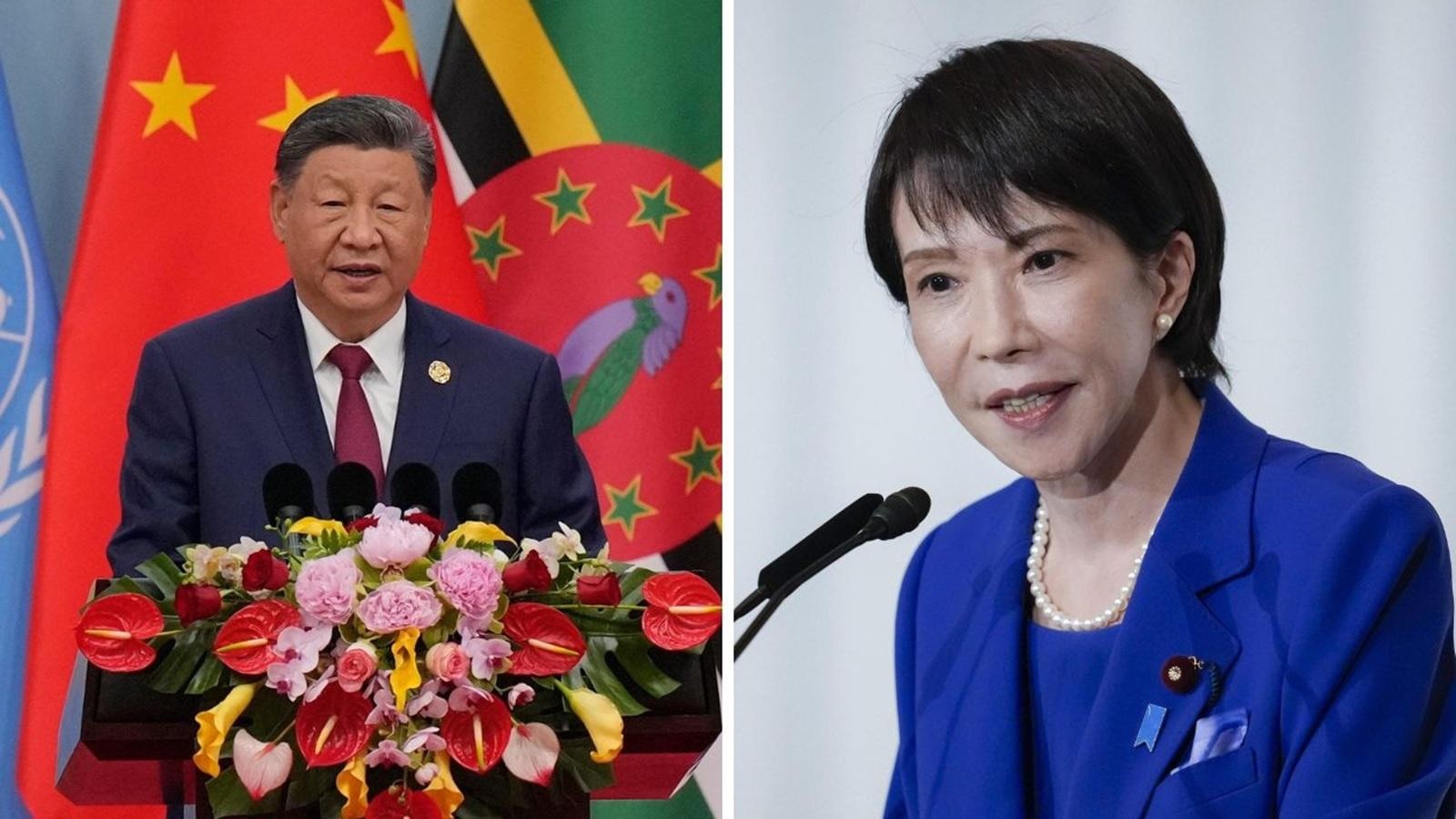
Japan's new premier pledges early boost to defence spending, 'proactive'  fiscal policy | Reuters

For Japan, the timing matters. Tokyo’s security posture has been evolving, including debates over deterrence, defense spending, and how far to align operationally with partners in the Indo-Pacific. Measures aimed at a prominent former defense figure add political friction inside Japan, where leaders must balance public concern about coercion with a desire to prevent spirals that harm trade and citizen safety.

Regional ripple effects

The action is also likely to land with U.S. and regional partners who see Japan as central to any credible posture in Northeast Asia. While China often frames such steps as legitimate self-defense against “provocation,” the practical result can be greater urgency in allied coordination. That includes intelligence-sharing, maritime domain awareness, and contingency planning—areas that don’t always make headlines but shape deterrence outcomes.
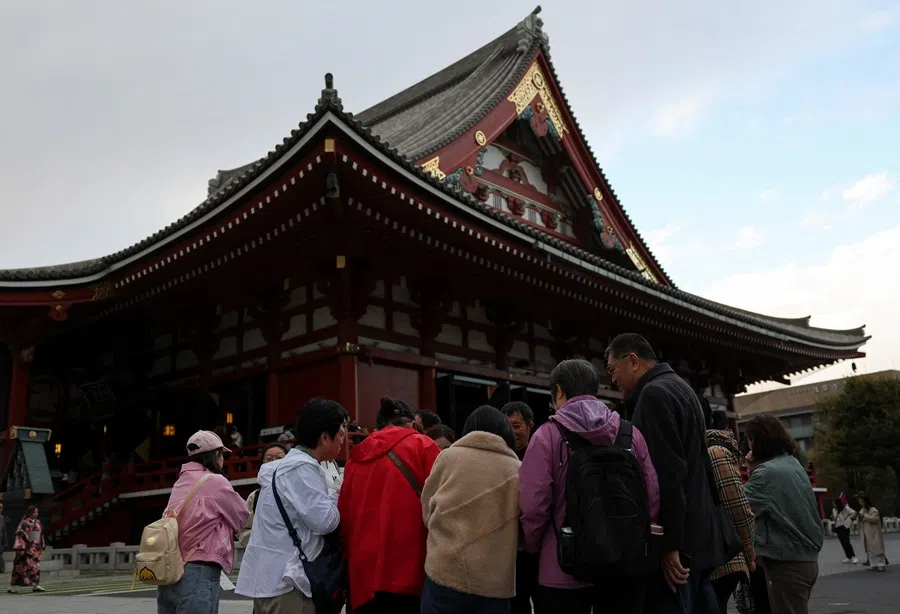
How Sanae Takaichi crossed China's four untouchable red lines

Diplomatically, targeted measures can complicate backchannel stability efforts. Even if economic ties remain substantial, political signaling like this can narrow room for compromise by raising domestic expectations on both sides. Japanese policymakers may face pressure to show resolve without overreacting, while China may seek to demonstrate it can impose reputational costs on figures linked to harder-line positions.

In the near term, the episode is likely to intensify Japan’s internal debate about the risks of deterrence failure versus the risks of escalation. It also highlights how modern geopolitical competition increasingly uses tools short of military force—administrative penalties, information campaigns, and selective restrictions—to shape the decisions of rivals. For the wider region, it’s another indicator that the contest over rules, narratives, and security alignments is tightening, not easing, as 2025 closes.

 

05:06:01 pm, Monday, 15 December 2025

China’s ‘countermeasures’ signal sharper pressure on Japan’s security debate

05:06:01 pm, Monday, 15 December 2025

Targeted response, broader message

China announced “countermeasures” aimed at a former head of Japan’s Self-Defense Forces, a move that Japanese officials and analysts read as both symbolic and strategic. Even when measures focus on an individual, they can function as a warning to institutions: the military, defense planners, and public voices shaping Japan’s stance on Taiwan, the East China Sea, and regional alliances. The announcement also fits a pattern of escalating rhetorical and administrative tools—sanctions, travel bans, asset controls, and public naming—used to contest narratives and deter perceived interference.

Japan's new premier pledges early boost to defence spending, 'proactive'  fiscal policy | Reuters

For Japan, the timing matters. Tokyo’s security posture has been evolving, including debates over deterrence, defense spending, and how far to align operationally with partners in the Indo-Pacific. Measures aimed at a prominent former defense figure add political friction inside Japan, where leaders must balance public concern about coercion with a desire to prevent spirals that harm trade and citizen safety.

Regional ripple effects

The action is also likely to land with U.S. and regional partners who see Japan as central to any credible posture in Northeast Asia. While China often frames such steps as legitimate self-defense against “provocation,” the practical result can be greater urgency in allied coordination. That includes intelligence-sharing, maritime domain awareness, and contingency planning—areas that don’t always make headlines but shape deterrence outcomes.

How Sanae Takaichi crossed China's four untouchable red lines

Diplomatically, targeted measures can complicate backchannel stability efforts. Even if economic ties remain substantial, political signaling like this can narrow room for compromise by raising domestic expectations on both sides. Japanese policymakers may face pressure to show resolve without overreacting, while China may seek to demonstrate it can impose reputational costs on figures linked to harder-line positions.

In the near term, the episode is likely to intensify Japan’s internal debate about the risks of deterrence failure versus the risks of escalation. It also highlights how modern geopolitical competition increasingly uses tools short of military force—administrative penalties, information campaigns, and selective restrictions—to shape the decisions of rivals. For the wider region, it’s another indicator that the contest over rules, narratives, and security alignments is tightening, not easing, as 2025 closes.