

Holiday micro-gifts and the new ‘good enough’ shopping strategy

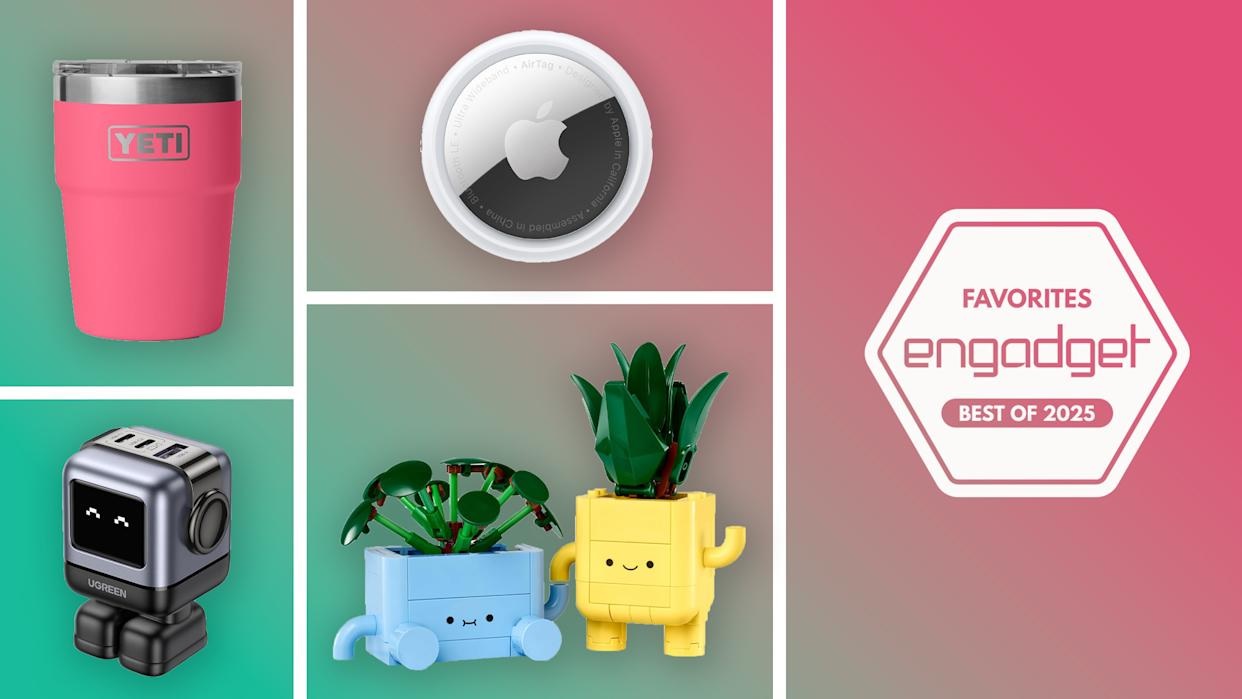
A tighter, faster gifting culture
As the calendar compresses and shipping windows narrow, “Secret Santa” shopping is increasingly defined by speed, portability, and low-friction choices. Gift guides now prioritize items that are easy to find, easy to wrap, and socially safe—products that signal thoughtfulness without requiring deep personal knowledge. This reflects a broader shift in consumer behavior: many people are trying to keep holiday spending predictable while still meeting social obligations at work, in friend groups, and among extended families.
The popularity of micro-gifts—small electronics, desk items, drinkware, and compact hobby products—also fits modern living constraints. Many recipients have limited space, share housing, or prefer minimal clutter. That nudges buyers toward consumables, upgrades, or tools that integrate into everyday routines. It’s not just thrift; it’s a form of practicality shaped by dense urban life and an always-on work culture.
What gift lists reveal about tech and taste
The current wave of “affordable but premium-feeling” gifts often includes recognizable brands and simple design language, because brand familiarity reduces the risk of awkward mismatches. In this sense, gift guides are less about discovery and more about risk management. They also reflect how tech has seeped into small moments: accessories for phones and laptops, audio add-ons, and small smart-home conveniences appear alongside non-tech staples like notebooks and kitchen items.

There is also a noticeable trend toward gifts that enable comfort rather than aspiration—warm lighting, cozy desk setups, and small indulgences that make daily life feel smoother. After years of remote and hybrid work, people have learned to treat their immediate environment as a long-term investment. A “small” gift that improves a daily habit can feel more valuable than a novelty item that gets used once.
The result is a holiday economy where thoughtfulness is increasingly expressed through usefulness. Gift culture hasn’t become less emotional; it’s become more operational. The best gifts now often answer a quiet question: what tiny friction can I remove from your day? That’s a different kind of intimacy—less sentimental on the surface, but sometimes more accurate.