
Urban Wildlife Adapts as Cities Grow Denser

Unexpected resilience
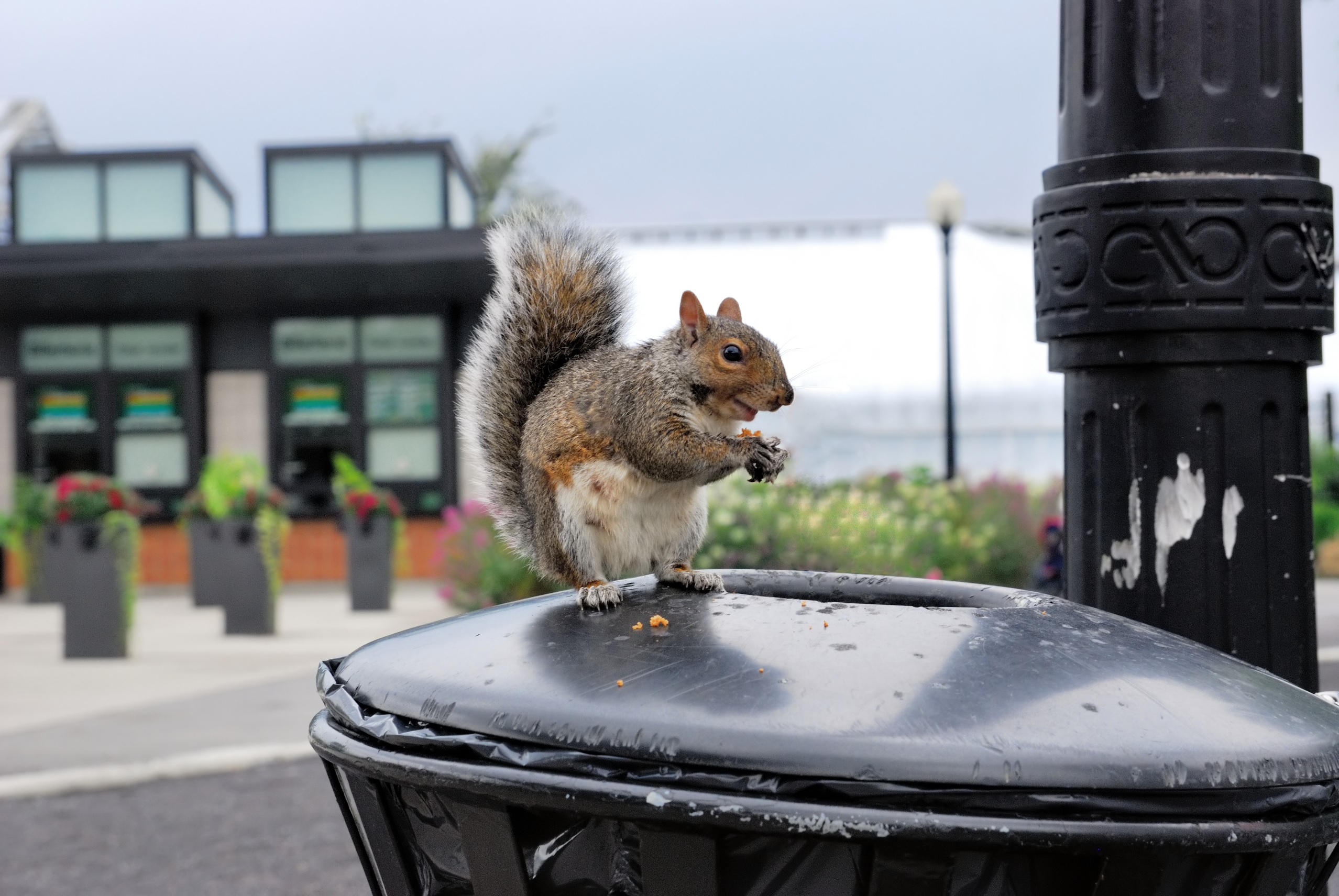
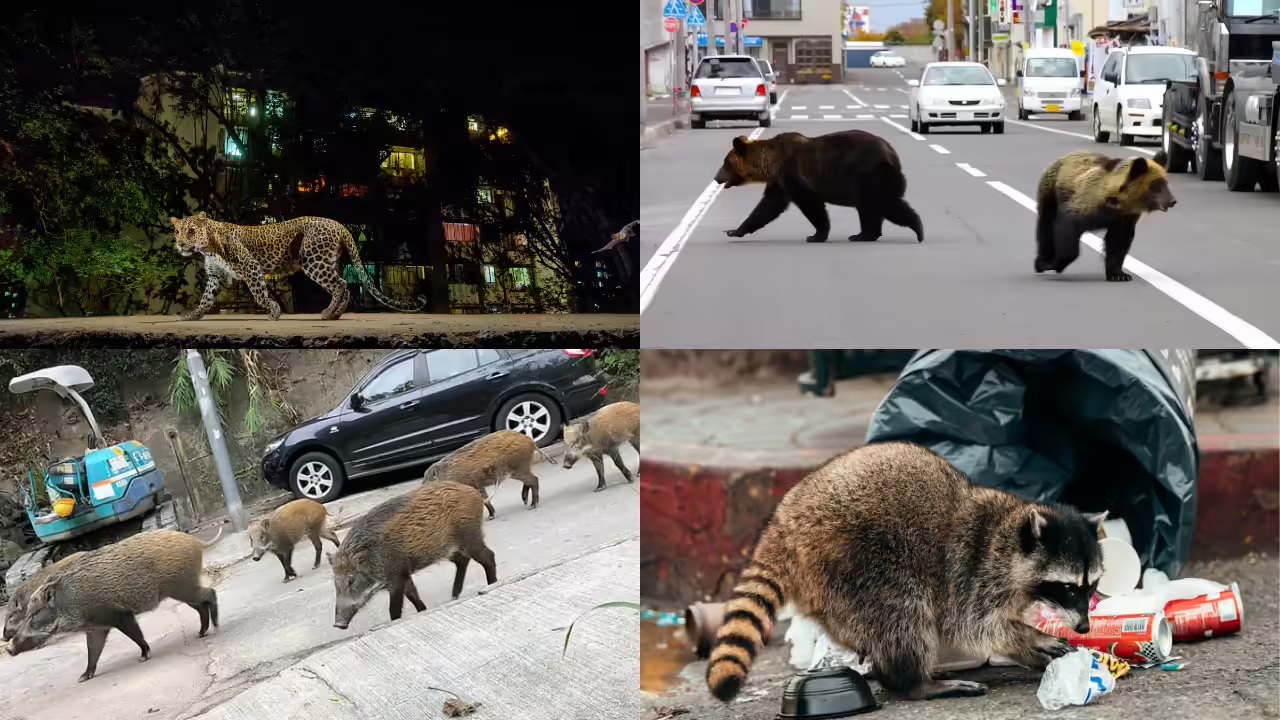
New research highlights how urban wildlife is adapting to increasingly dense cities. Species once thought sensitive to human activity are altering behavior, feeding patterns, and movement to survive. Scientists say green corridors and improved waste management play a key role in coexistence. However, adaptation has limits, and not all species benefit equally.
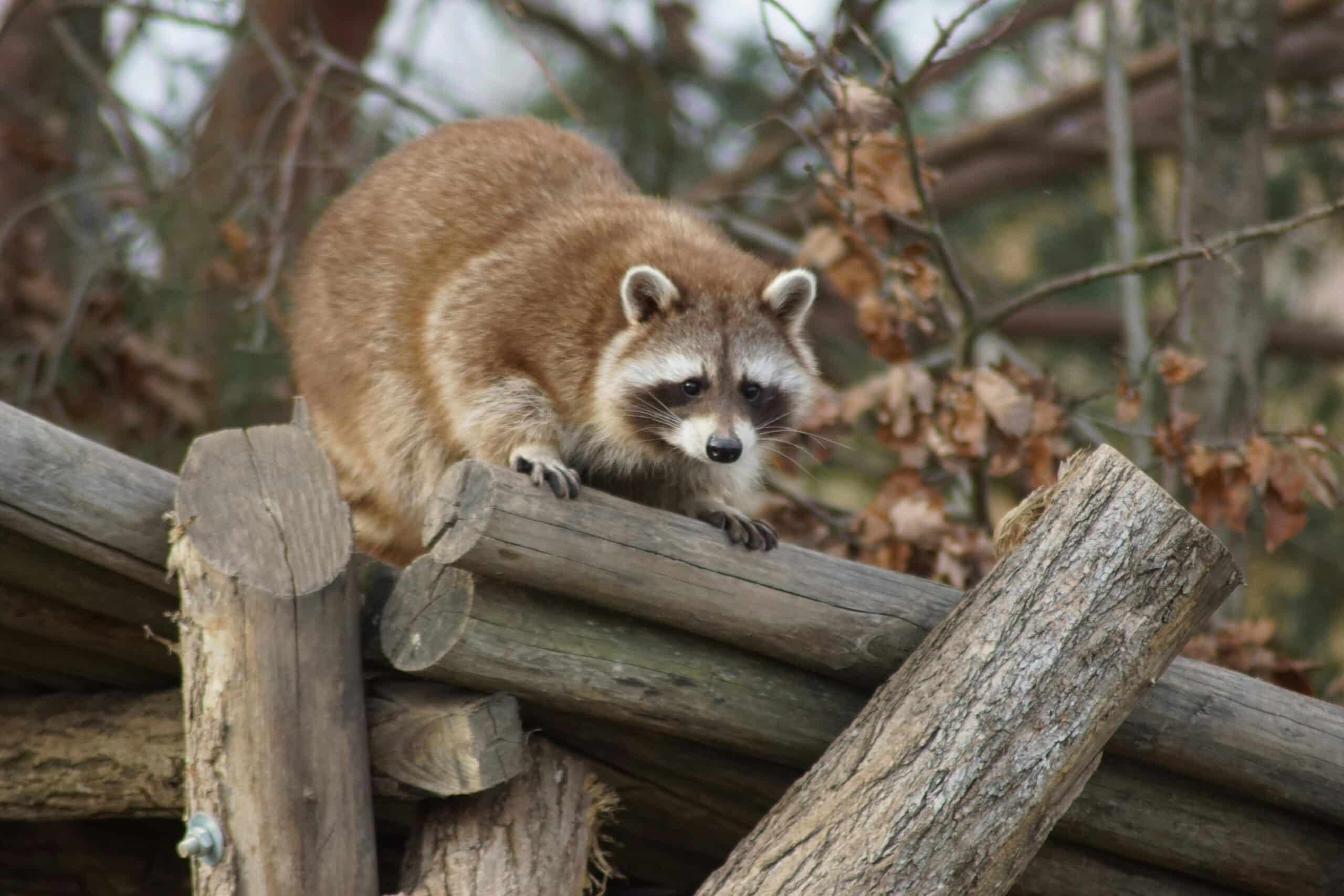
City planners are taking note, integrating biodiversity into development plans. Conservationists warn that without deliberate design, urban growth could still erode habitats. Public awareness campaigns are also seen as essential to reduce conflict between humans and animals.
Balancing growth
Experts stress that urban resilience depends on long-term planning. Small interventions, like rooftop gardens and connected parks, can make a measurable difference.