
7:17 pm, Thursday, 25 December 2025

Global Emissions Plateau as Clean Energy Growth Offsets Demand Surge

Sarakhon Report

Energy transition momentum
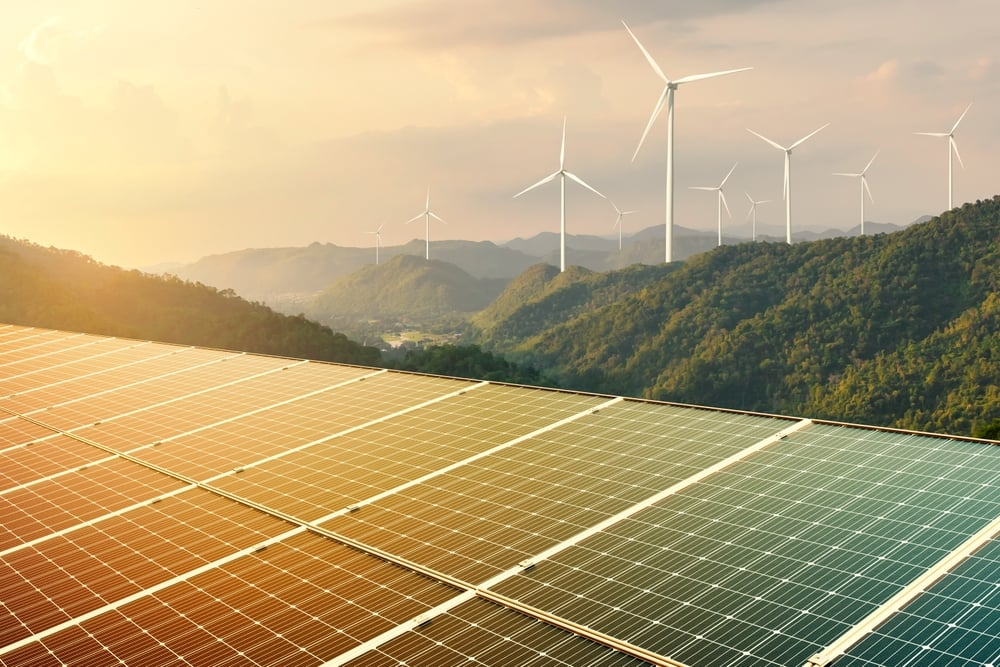
Global carbon emissions showed signs of leveling off as rapid growth in clean energy offset rising electricity demand, according to new assessments released this week. Analysts said record additions of solar and wind capacity helped prevent emissions from climbing, even as economies expanded and electrification accelerated.

The plateau does not signal victory, experts cautioned. Emissions remain far above levels consistent with climate targets, and temporary factors—such as mild weather or economic slowdowns—can distort short-term trends. Still, the data suggest that structural changes in energy systems are beginning to bend the curve.

Renewables accounted for a growing share of new power generation, with grid-scale storage improving reliability. Several countries reported reduced reliance on coal during peak periods, aided by policy incentives and falling costs for clean technologies. The shift has also begun to reshape investment flows, drawing capital away from fossil fuel expansion.

Challenges ahead for climate goals
Despite progress, gaps remain. Heavy industry, aviation, and shipping continue to lag in decarbonization, and developing economies face financing constraints. Analysts warn that without faster deployment of clean energy in emerging markets, global emissions could rebound.

Climate policy uncertainty also looms. Elections and geopolitical tensions can slow reforms, while extreme weather underscores the urgency of adaptation. Scientists stress that peaking emissions is only the first step; sustained declines are needed to limit warming.

For consumers, the transition brings mixed effects. Clean energy can lower long-term costs, but short-term investments may strain grids and budgets. Governments are under pressure to manage the shift equitably, ensuring reliability while cutting pollution.

The latest figures offer cautious optimism. If clean energy growth continues at scale, emissions could begin a sustained decline. The coming years will test whether policy, finance, and technology can align to turn a plateau into a downward trajectory.


05:28:22 pm, Thursday, 25 December 2025

Global Emissions Plateau as Clean Energy Growth Offsets Demand Surge

05:28:22 pm, Thursday, 25 December 2025

Energy transition momentum
Global carbon emissions showed signs of leveling off as rapid growth in clean energy offset rising electricity demand, according to new assessments released this week. Analysts said record additions of solar and wind capacity helped prevent emissions from climbing, even as economies expanded and electrification accelerated.

The plateau does not signal victory, experts cautioned. Emissions remain far above levels consistent with climate targets, and temporary factors—such as mild weather or economic slowdowns—can distort short-term trends. Still, the data suggest that structural changes in energy systems are beginning to bend the curve.

Renewables accounted for a growing share of new power generation, with grid-scale storage improving reliability. Several countries reported reduced reliance on coal during peak periods, aided by policy incentives and falling costs for clean technologies. The shift has also begun to reshape investment flows, drawing capital away from fossil fuel expansion.

Challenges ahead for climate goals
Despite progress, gaps remain. Heavy industry, aviation, and shipping continue to lag in decarbonization, and developing economies face financing constraints. Analysts warn that without faster deployment of clean energy in emerging markets, global emissions could rebound.

Climate policy uncertainty also looms. Elections and geopolitical tensions can slow reforms, while extreme weather underscores the urgency of adaptation. Scientists stress that peaking emissions is only the first step; sustained declines are needed to limit warming.

For consumers, the transition brings mixed effects. Clean energy can lower long-term costs, but short-term investments may strain grids and budgets. Governments are under pressure to manage the shift equitably, ensuring reliability while cutting pollution.

The latest figures offer cautious optimism. If clean energy growth continues at scale, emissions could begin a sustained decline. The coming years will test whether policy, finance, and technology can align to turn a plateau into a downward trajectory.