
7:17 pm, Thursday, 25 December 2025

Rare Snow Leopard Cubs Spotted in Central Asia Conservation Zone

Sarakhon Report

Breakthrough for wildlife protection
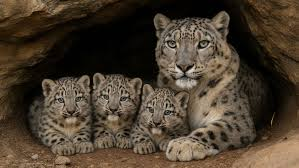
Conservationists confirmed the sighting of rare snow leopard cubs in a protected area of Central Asia, calling it a significant sign of ecosystem recovery. Camera traps captured images of the cubs with their mother, suggesting successful breeding in a region where populations had declined sharply.

Snow leopards are notoriously elusive, inhabiting rugged mountain terrain. Their presence is often used as an indicator of broader ecological health. Experts said the sighting reflects years of anti-poaching efforts, habitat protection, and cooperation with local communities.

The region has invested in ranger training and technology, including remote sensors and satellite monitoring. These measures have reduced illegal hunting and improved tracking of wildlife movements. Community programs offering alternative livelihoods have also helped ease pressure on fragile habitats.

Long-term conservation challenges
Despite the positive news, threats remain. Climate change is altering mountain ecosystems, affecting prey availability and migration patterns. Infrastructure development and mining pose additional risks if not carefully managed.

Conservation groups stress that sustained funding and cross-border cooperation are essential. Snow leopards range across multiple countries, making international coordination critical for long-term survival.

The cub sighting offers hope and momentum. By highlighting tangible results, conservationists aim to secure continued support and expand protections, ensuring that fragile gains translate into lasting recovery for one of the world’s most iconic big cats.


05:30:44 pm, Thursday, 25 December 2025

Rare Snow Leopard Cubs Spotted in Central Asia Conservation Zone

05:30:44 pm, Thursday, 25 December 2025

Breakthrough for wildlife protection
Conservationists confirmed the sighting of rare snow leopard cubs in a protected area of Central Asia, calling it a significant sign of ecosystem recovery. Camera traps captured images of the cubs with their mother, suggesting successful breeding in a region where populations had declined sharply.

Snow leopards are notoriously elusive, inhabiting rugged mountain terrain. Their presence is often used as an indicator of broader ecological health. Experts said the sighting reflects years of anti-poaching efforts, habitat protection, and cooperation with local communities.

The region has invested in ranger training and technology, including remote sensors and satellite monitoring. These measures have reduced illegal hunting and improved tracking of wildlife movements. Community programs offering alternative livelihoods have also helped ease pressure on fragile habitats.

Long-term conservation challenges
Despite the positive news, threats remain. Climate change is altering mountain ecosystems, affecting prey availability and migration patterns. Infrastructure development and mining pose additional risks if not carefully managed.

Conservation groups stress that sustained funding and cross-border cooperation are essential. Snow leopards range across multiple countries, making international coordination critical for long-term survival.

The cub sighting offers hope and momentum. By highlighting tangible results, conservationists aim to secure continued support and expand protections, ensuring that fragile gains translate into lasting recovery for one of the world’s most iconic big cats.