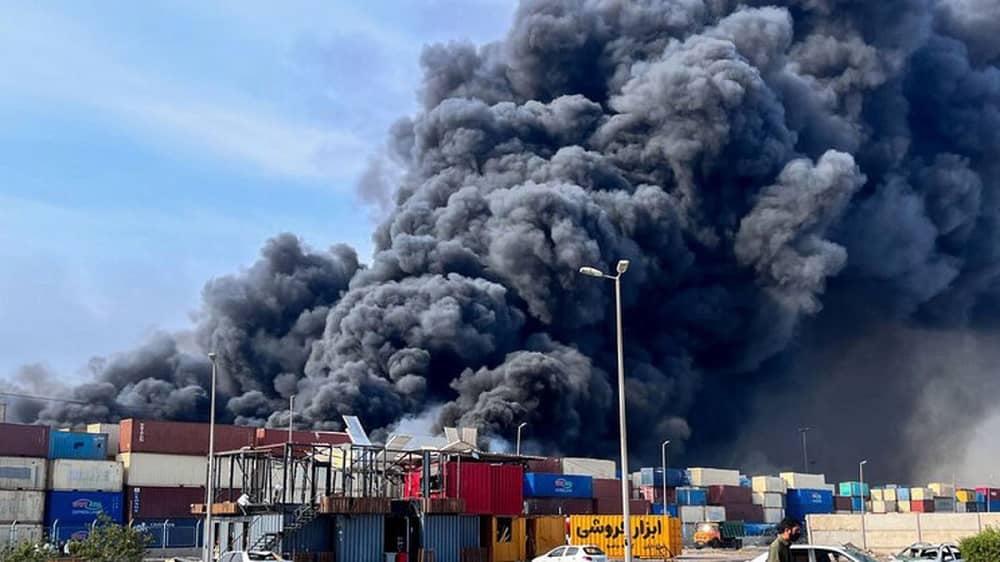

Ukraine Says Drones Hit Key Russian Gas Facility, Signaling New Pressure on Energy Supply Lines

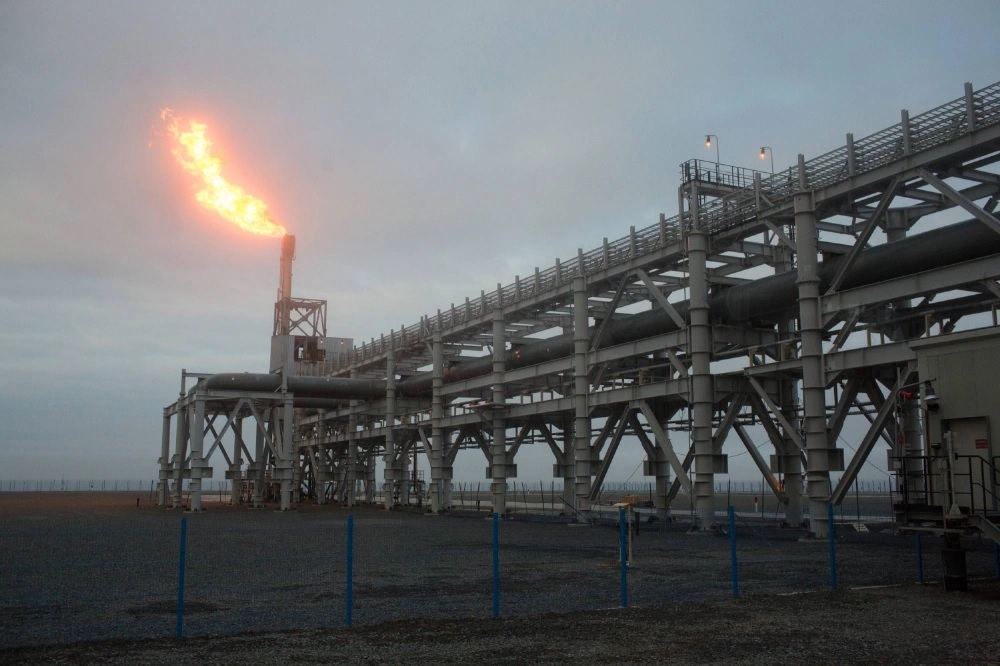
Targeting energy-linked infrastructure
Ukraine said its drones struck what it described as Russia’s largest gas processing plant in the Orenburg region, a facility tied to both domestic fuel flows and exports. The claim adds to a pattern of longer-range attacks that aim to disrupt production, logistics and confidence far from the front line. Moscow has not provided a detailed public assessment of damage in the immediate aftermath.
The Orenburg facility is part of a wider chain that processes raw gas and stabilizes output before it is routed onward. Any disruption can create knock-on effects: rerouting costs, temporary throughput cuts, and new security burdens for operators. Even if production resumes quickly, repeated strikes can force slower maintenance cycles and new defensive spending that compounds over time.
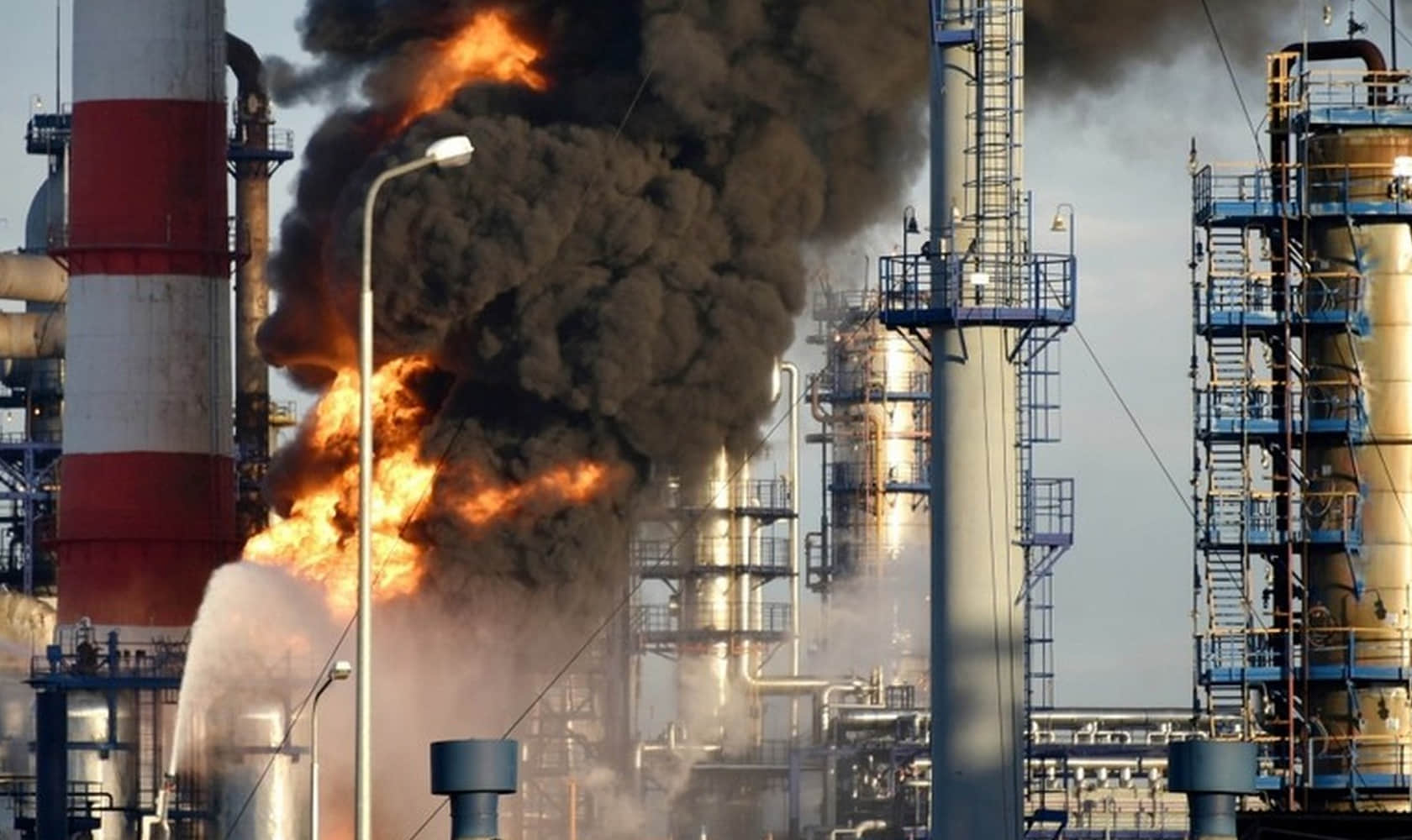
Escalation risks for winter energy politics
The reported strike lands in the middle of winter demand, when energy systems are less flexible and repair windows are narrower. For Ukraine, energy-related targets can be framed as pressure points that reduce Russia’s fiscal room and operational resilience. For Russia, such attacks strengthen the argument for tightening air defenses and retaliatory measures, including renewed pressure on Ukrainian infrastructure.
Officials in Kyiv have repeatedly argued that Russia’s energy and industrial networks are integral to sustaining the war effort. That logic is also aimed at international audiences: showing continued reach, and signaling that the conflict’s economic backbone is not insulated by geography. The strategy carries risks, including potential escalation around critical civilian-linked systems and heightened volatility in markets already sensitive to supply disruptions.

Beyond immediate damage, the larger effect is psychological and operational: companies and regional authorities must assume repeat attempts, adjust schedules, and operate under persistent uncertainty. Analysts also watch for whether attacks begin to cluster around specific corridors—pipelines, compressor stations, processing hubs—or whether they remain opportunistic.