8:57 pm, Saturday, 27 December 2025

Social Platforms Tighten Rules on Political Content Ahead of 2026 Election Cycles

Sarakhon Report

Moderation priorities shift

Major social media platforms are tightening rules around political content as countries prepare for a busy 2026 election calendar. Companies say the updates focus on limiting misinformation, clarifying labeling standards, and improving transparency around paid political messaging. The move follows criticism over uneven enforcement during recent election cycles.

Executives argue that clearer policies are intended to reduce last-minute interventions and public backlash. Automated systems are being refined to detect coordinated manipulation, while human review teams are being expanded in high-risk regions. Critics, however, question whether platforms can enforce rules consistently at scale.

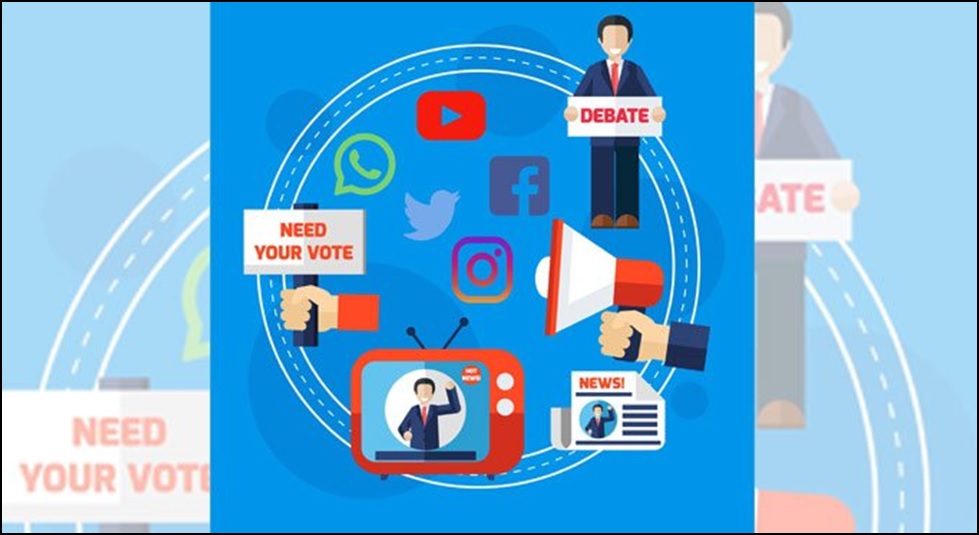
The Struggle for Trust Online | Freedom House

Free speech and platform accountability

Civil society groups warn that stricter moderation risks overreach, particularly in politically polarized environments. Platforms counter that the changes aim to protect democratic processes rather than restrict debate. Regulators in multiple regions are monitoring compliance closely, signaling that penalties could follow failures.

Analysts say the coming year will test whether platforms can balance speech, safety, and political neutrality. Trust, already fragile, will depend on how transparently companies explain decisions and respond to disputes during fast-moving election events.

What Pew's Latest Social Media Report Means for 2026 Campaign Strategy


06:13:36 pm, Saturday, 27 December 2025

Social Platforms Tighten Rules on Political Content Ahead of 2026 Election Cycles

06:13:36 pm, Saturday, 27 December 2025

Moderation priorities shift

Major social media platforms are tightening rules around political content as countries prepare for a busy 2026 election calendar. Companies say the updates focus on limiting misinformation, clarifying labeling standards, and improving transparency around paid political messaging. The move follows criticism over uneven enforcement during recent election cycles.

Executives argue that clearer policies are intended to reduce last-minute interventions and public backlash. Automated systems are being refined to detect coordinated manipulation, while human review teams are being expanded in high-risk regions. Critics, however, question whether platforms can enforce rules consistently at scale.

The Struggle for Trust Online | Freedom House

Free speech and platform accountability

Civil society groups warn that stricter moderation risks overreach, particularly in politically polarized environments. Platforms counter that the changes aim to protect democratic processes rather than restrict debate. Regulators in multiple regions are monitoring compliance closely, signaling that penalties could follow failures.

Analysts say the coming year will test whether platforms can balance speech, safety, and political neutrality. Trust, already fragile, will depend on how transparently companies explain decisions and respond to disputes during fast-moving election events.

What Pew's Latest Social Media Report Means for 2026 Campaign Strategy