
Russia’s Pipeline Gas Exports to Europe Plunge

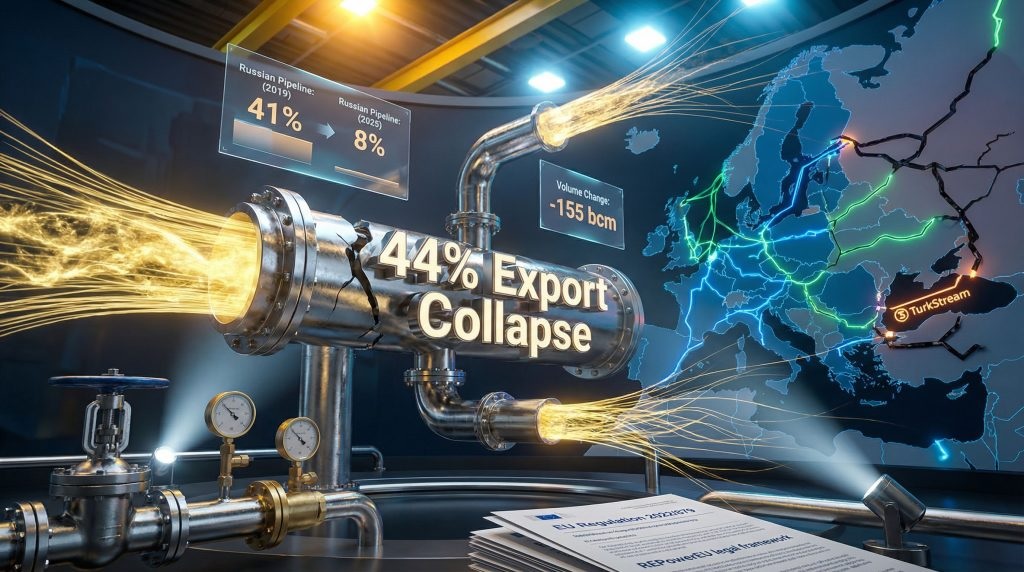
Energy flows shift amid geopolitical change
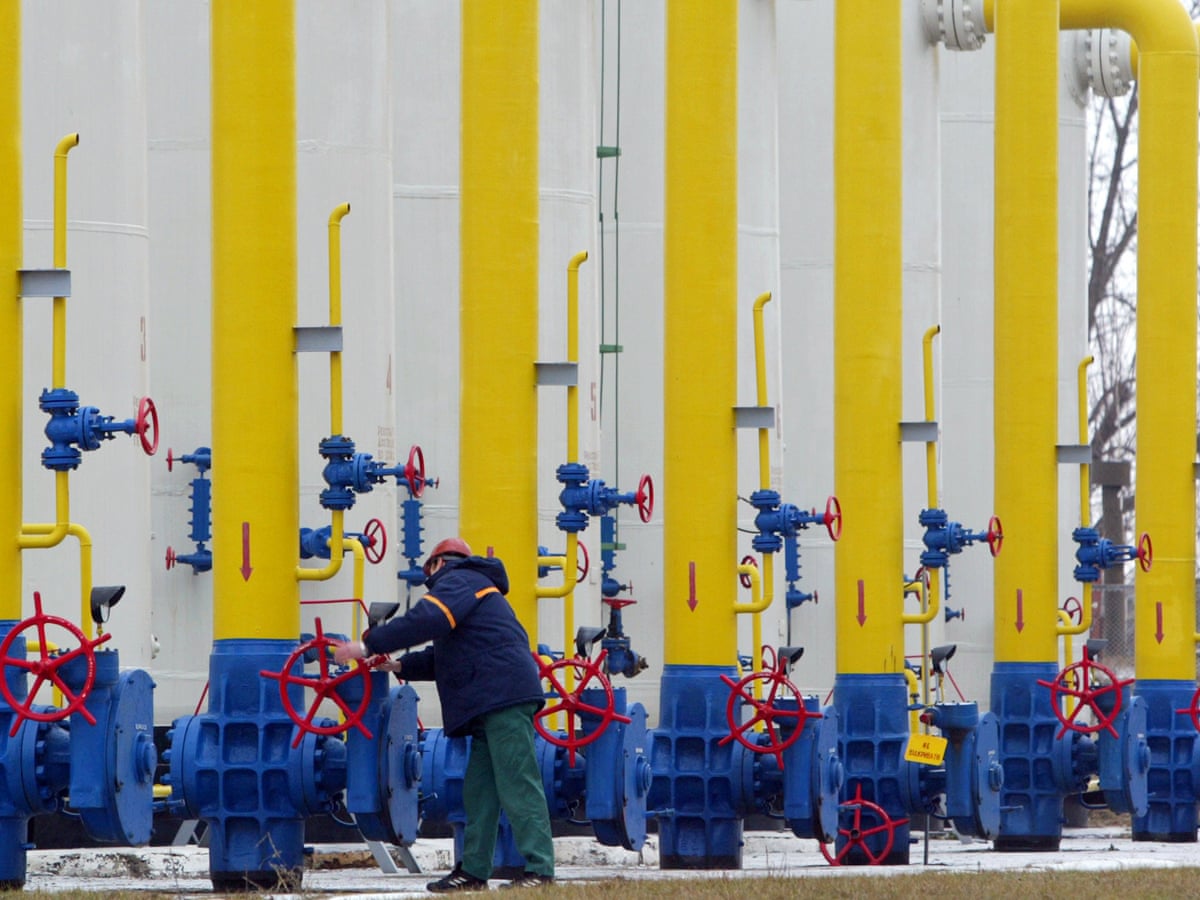
Russia’s pipeline gas exports to Europe plunged by 44 percent in 2025, reaching their lowest level in decades, according to calculations by energy analysts. The steep decline followed the closure of the key transit route through Ukraine and coordinated European Union efforts to reduce reliance on Russian energy. With alternative sources and energy diversification underway, traditional supply routes that once delivered over 170 billion cubic metres annually have collapsed to a fraction of that amount this year.

European policymakers have emphasized that the reduction aligns with long-term energy security and geopolitical strategies. EU member states have accelerated investments in renewables, liquefied natural gas terminals, and regional grids to compensate for the shortfall. Meanwhile, Russia continues to send gas through TurkStream, the sole remaining direct pipeline, although volumes remain well below historical levels.
Analysts note that lower Russian exports could reshape Europe’s energy market and encourage further investment in renewable and alternative fuels. However, price volatility and supply gaps pose short-term challenges, especially in winter months when heating demand peaks.

The reduction also reflects shifting global energy dynamics, with major consumers such as China and Asia increasing their LNG imports. Europe’s push to phase out fossil fuel dependence continues to influence infrastructure and geopolitical strategy.