
Scientific Discoveries from 2025 with Future Impact

Animal biology breakthroughs point to innovation
Researchers around the world made a series of notable scientific discoveries in 2025 that could have future applications in technology and medicine. These breakthroughs span multiple fields of study and reveal surprising insights into biology and physiology that may motivate new research directions. Among the key findings, scientists reported that certain lizard species can tolerate levels of toxic lead that would be fatal to many other organisms, highlighting unique adaptations that could inform environmental toxicology.
/https://tf-cmsv2-smithsonianmag-media.s3.amazonaws.com/filer_public/e8/3b/e83bbb6e-ef58-48aa-b801-6f41ca6bc33d/brown_male_anole_florida.jpeg)
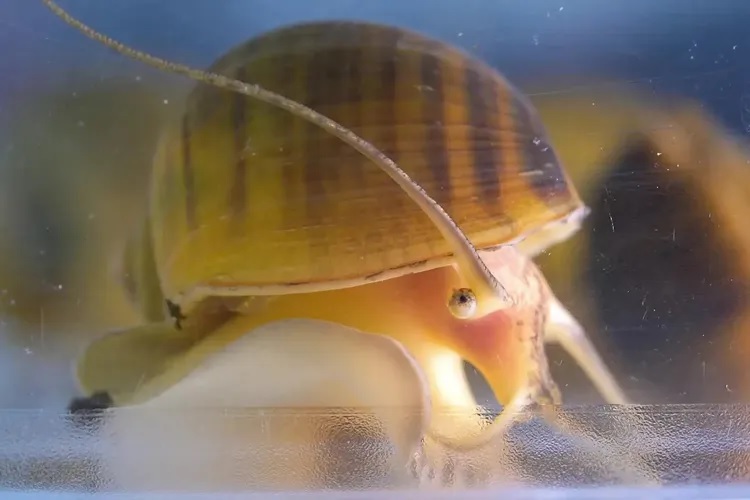
In addition, frogs with remarkable venom resistance were identified, raising questions about how amphibians might evolve defenses against harmful substances. Perhaps most strikingly, some snail species have demonstrated the ability to regrow their eyes, suggesting biological pathways for regeneration that may eventually influence human medicine, especially in tissue repair and sensory restoration research.
These discoveries emerged from collaborative international research teams employing advanced laboratory techniques and ecological observations. Scientists emphasize that while these findings are preliminary, they provide new models for understanding resilience and adaptation across species. This can inspire future innovation in biomimicry — where biological strategies inform human engineering and medical technologies.
/https://tf-cmsv2-smithsonianmag-media.s3.amazonaws.com/filer_public/65/09/6509cecb-afa3-452a-81b8-7bae2cd66b92/polar_bear_anwr_1.jpg)
The expanding knowledge of animal biology in 2025 reinforces the value of biodiversity and broadens the scientific community’s appreciation for lesser-studied organisms with extraordinary capabilities. Researchers hope these early-stage discoveries will catalyze further studies into genetic, molecular, and ecological mechanisms underlying these phenomena.
/https://tf-cmsv2-smithsonianmag-media.s3.amazonaws.com/filer_public/1d/63/1d63a809-6daf-4600-ab63-b2b82379fecb/untitleddesign.png)
/https://tf-cmsv2-smithsonianmag-media.s3.amazonaws.com/filer_public/52/8f/528f67e2-8ca9-4219-b310-6104a6972415/greenland_shark_profile.jpg)