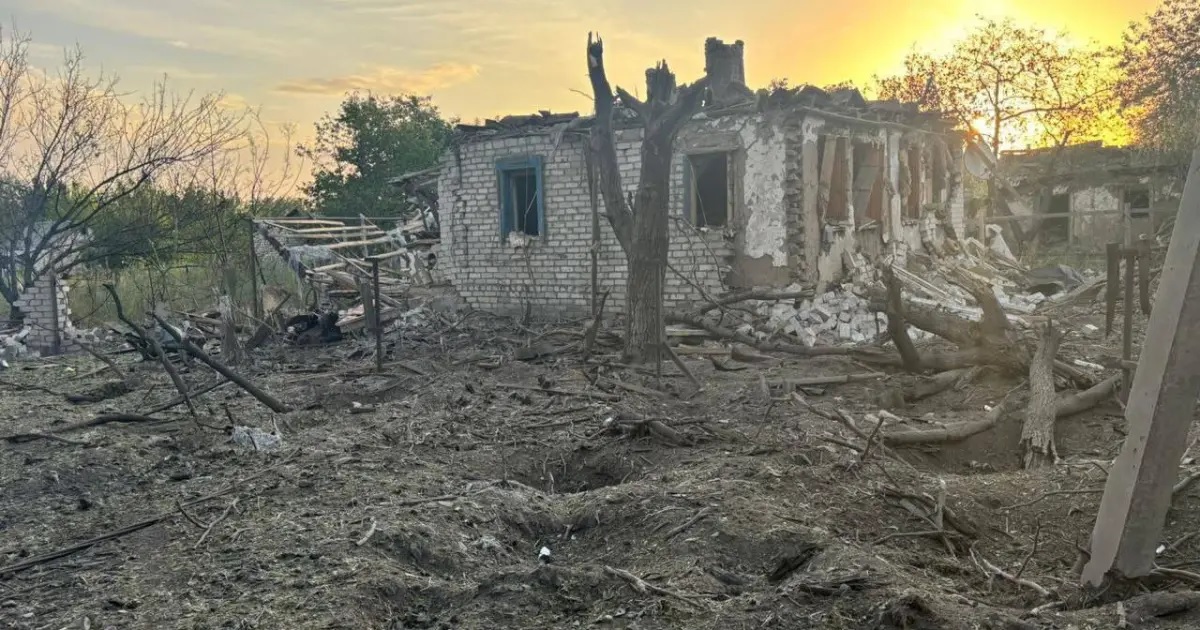

A year after Los Angeles wildfires, the numbers show how fast disaster unfolded

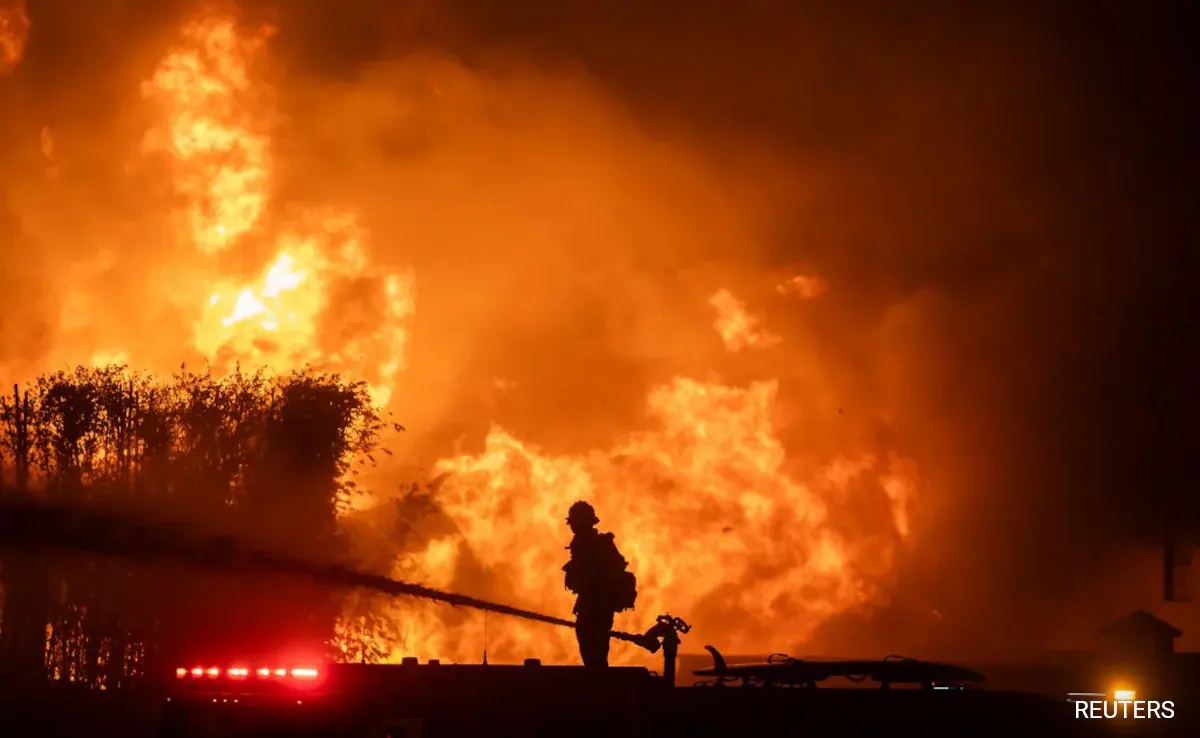
Wind, hours, and the speed of collapse
A year after twin wildfires tore through opposite ends of Los Angeles County, a stark set of numbers is now being used to explain how quickly routine fire risk turned catastrophic. The fires ignited within hours of each other on January 6, 2024, in the Palisades area and in Eaton, and the scale of damage revealed what extreme weather can do when it meets dense neighborhoods. Officials and residents say the physical scars remain visible, and the rebuilding timeline has been far slower than the destruction.
The first number that framed the danger was the wind. Forecast gusts in mountain areas were expected to reach about 90 miles per hour, a level that can push embers across roads and into attics, turning spot fires into walls of flame. Red Flag warnings were issued as Southern California faced the region’s Santa Ana winds, and vegetation was described as tinder dry after months with little or no rain. The warning was explicit: conditions could produce life-threatening fire behavior, even with firefighting assets pre-positioned.

Another number captures the speed of escalation. In the Palisades area, what began as reports of a small blaze on a ridge near an upscale neighborhood rapidly expanded. Within a short window the fire grew from a small footprint to a much larger incident, and responders struggled to keep pace as smoke columns became visible from miles away. This “hours, not days” progression has become central to how officials now talk about readiness: when winds and dryness align, delay is measured in minutes.
The total burned area also provides context that headlines alone can miss. Combined, the two fires charred about 59 square miles—roughly the size of a major city footprint—and continued to burn for weeks. The Palisades fire burned for more than a month before it was extinguished, while the Eaton fire burned for more than three weeks. Investigators concluded that one blaze had grown out of an earlier fire event, highlighting how quickly lingering risk can return.
Rebuilding, aid, and accountability
The human cost is captured in another hard number: 31 lives lost, split between the two fires. It is a reminder that wildfire disasters are not only about property; they can become mass-casualty events when evacuation routes, visibility, and response capacity are strained. Residents who escaped describe a sense of disbelief at how quickly familiar streets became hazardous, and how little time there was to make decisions.
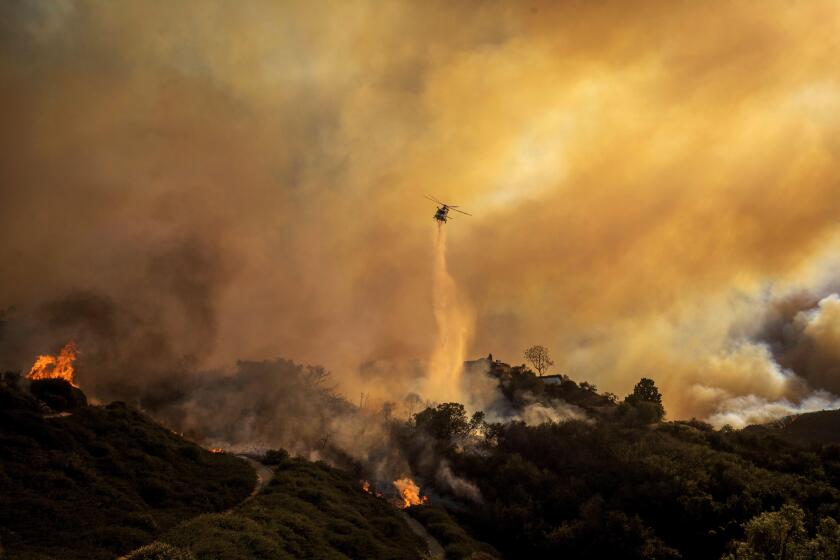
Property loss was also enormous. More than 16,000 structures were destroyed across both blazes, with thousands of homes and buildings flattened in areas like Altadena and Pacific Palisades, as well as neighboring zones that saw fire spread. The scale of destruction created a second crisis: cleanup, permitting, insurance disputes, and construction capacity all became bottlenecks. In that context, one of the most arresting numbers is how few homes have actually been rebuilt so far.
Government aid has been a major point of contention. California officials requested tens of billions of dollars in federal disaster assistance, but approval and funding processes have moved slowly, leaving many families caught between temporary living arrangements and the high cost of reconstruction. Charitable funding surged early, with hundreds of millions raised through major commitments and individual fundraising, but donations cannot replace the slow machinery of housing recovery.
Accountability is also shaping public conversation. A criminal case linked to the Palisades fire carries the possibility of decades in prison, while the cause of the Eaton fire remains under investigation. Beyond individual cases, the broader question is how to reduce exposure in a region where wind, drought, and development repeatedly collide. The “by the numbers” approach does not offer comfort, but it does clarify the reality: under extreme conditions, wildfire can overwhelm a modern city in a single day.