
Pakistan and Bangladesh Sign New Defense Cooperation Pact

Military ties widen after years of limited contact
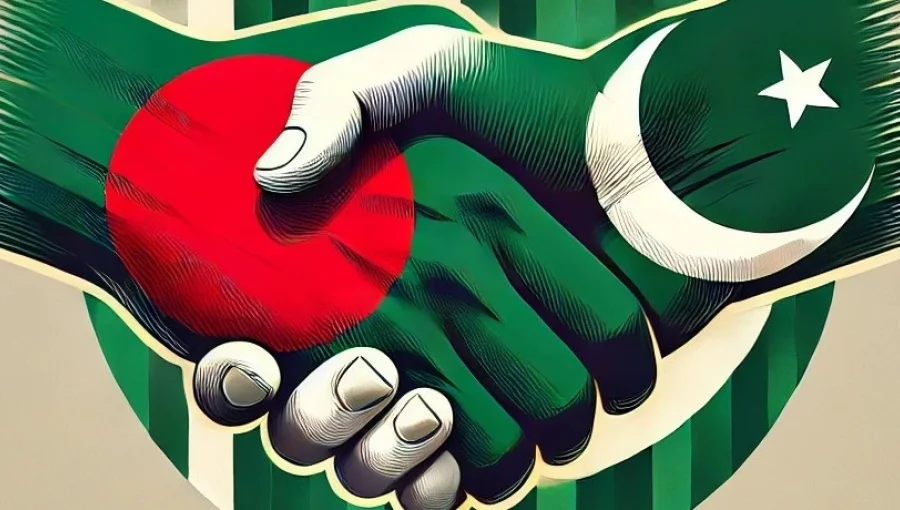
Pakistan said it has signed a defense cooperation pact with Bangladesh, signaling a fresh attempt by the two countries to deepen military-to-military engagement. The announcement framed the agreement as a structured channel for future cooperation rather than a one-off visit or symbolic exchange. Officials described it as a step toward regularizing contacts that had often moved in short bursts, shaped by shifting regional politics.
The pact comes at a moment when South Asian security relationships are under renewed pressure from overlapping crises and tighter budget realities. Defense planners in the region are watching supply chains, training pipelines, and readiness cycles more closely than in recent years. In that context, any new channel that promises predictable exchanges draws attention, even when the details remain limited in public.
Pakistan presented the agreement as part of a broader approach to security partnerships beyond its immediate traditional alignments. It emphasized professional links between services, including engagement that could span training, exchanges, and institutional coordination. Bangladesh, for its part, has long balanced a mix of defense relationships, seeking practical benefits while avoiding steps that could narrow its strategic flexibility.
The announcement also highlights how defense diplomacy often moves ahead of wider political narratives. Even when bilateral ties appear quiet to the public, military officials can build frameworks that make future cooperation easier. These frameworks can matter in emergencies, when communication lines and shared procedures determine how quickly help, information, or coordination can flow.
Training, exercises, and the question of capabilities
Pakistan indicated the agreement is meant to support cooperation in areas that typically include training programs, visits, and possible joint activities. Such measures are often designed to build familiarity between officers, align basic procedures, and create working relationships that last beyond a single posting. Over time, repeated exchanges can shape doctrine at the margins, especially in areas like disaster response, maritime security, and counterterror coordination.
Another practical driver is the constant churn of modernizing equipment and updating skills. Bangladesh has expanded and upgraded parts of its forces over the years, and any defense partnership is judged by whether it adds real value to readiness. Pakistan, meanwhile, has experience packaging training and institutional cooperation as a core offering in its external defense ties.
Regional observers will also watch how the pact is interpreted by other capitals. In South Asia, defense moves are rarely viewed in isolation, and even routine cooperation can be read through a wider lens of alignment and signaling. That does not mean the agreement automatically changes the strategic map, but it can contribute to a slow recalibration in perceptions over time.
For both sides, the near-term test will be implementation. A signed framework becomes meaningful only when calendars fill with exchanges, when officers actually train together, and when both bureaucracies show they can sustain the relationship. If follow-through is consistent, the pact could mature into a durable mechanism for cooperation that outlasts political cycles and headlines.