
Iran Judiciary Signals Fast Trials, Possible Executions for Protesters

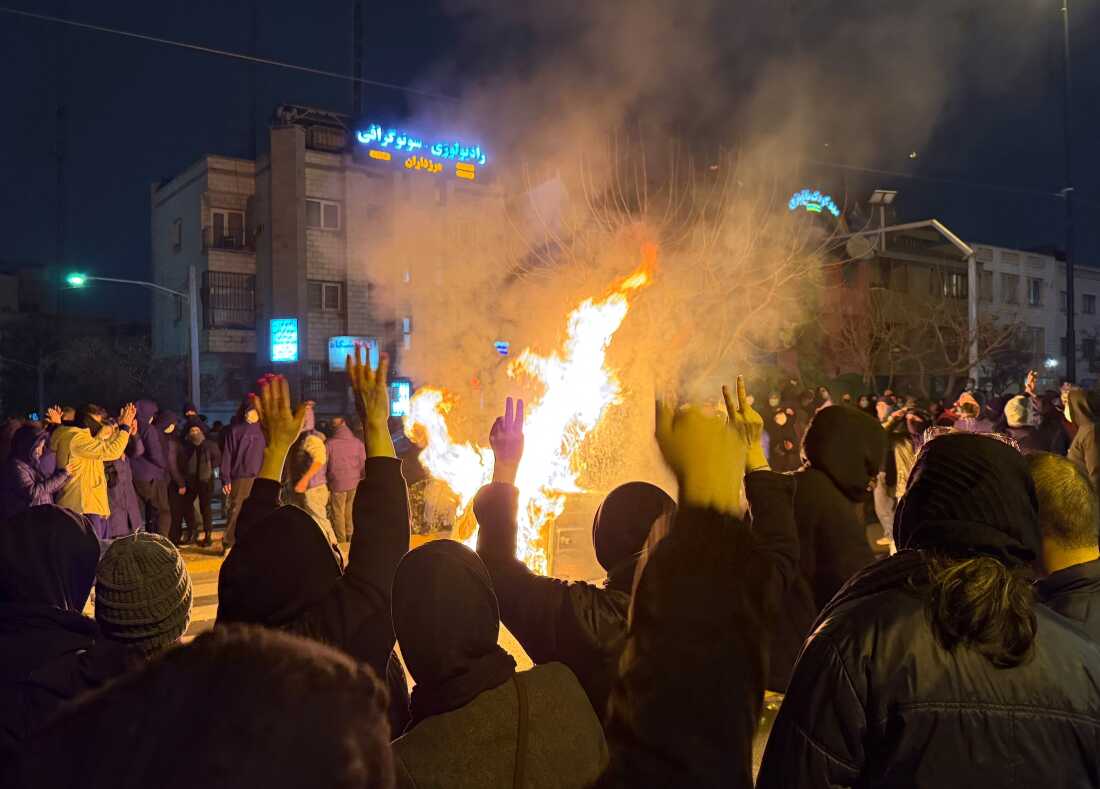
In this photo obtained by The Associated Press, Iranians attend an anti-government protest in Tehran, Iran, Friday, Jan. 9, 2026. (UGC via AP)
Judicial warning amid violent protests
On January 14, 2026, Iran’s judiciary chief Gholamhossein Mohseni-Ejei signaled plans for rapid trials and possible executions of protesters detained in the nationwide unrest that has gripped the country for weeks. The statements came despite strong warnings from U.S. political leaders, including former President Donald Trump, who threatened “very strong action” if executions proceed.
Human rights activists report that Iran has broadcast nearly 100 confessions from detained protesters on state television — often described by rights groups as coerced and followed by torture — in an apparent justification for harsh punishments including the death penalty. Rights organizations have documented tens of thousands of arrests and a rapidly escalating death toll.
The protests began in late December 2025 over economic hardship and have since widened into a broader movement demanding political change. Iran’s regime has responded with crackdowns, communication blackouts, and now accelerated judicial measures that critics say could usher in one of the most severe waves of executions in recent years.