

Artificial Intelligence Hardware Market Enters Physical Robotics Phase


Investment shifts from software to embodied AI systems
The artificial intelligence industry is pivoting toward physical robotics as investors and tech companies pour resources into machines that can interact with the real world. This transition marks a significant evolution from previous years when AI development focused primarily on software applications and large language models. Industry analysts note that venture capital funding for robotics startups increased by over 60 percent in the past year as companies race to commercialize AI systems capable of performing physical tasks.
Several major technology firms announced expanded robotics divisions in recent weeks. These initiatives aim to develop machines for manufacturing, logistics, healthcare, and domestic use. Engineers are integrating advanced AI models with sophisticated sensors and mechanical systems to create robots that can navigate complex environments autonomously. The convergence of improved machine learning algorithms and more affordable hardware components has made commercial robotics increasingly viable.
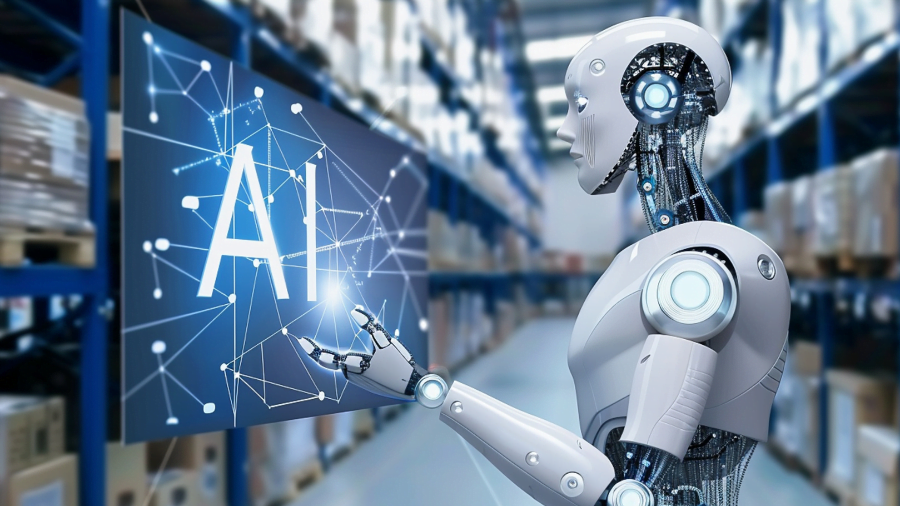
Technical challenges remain despite growing enthusiasm
Despite the surge in investment and development activity, significant technical obstacles persist. Robots still struggle with tasks that humans find simple, such as manipulating unfamiliar objects or adapting to unexpected situations. Researchers are working to improve tactile sensing capabilities and develop better training methods for physical AI systems. The gap between laboratory demonstrations and reliable real-world performance remains substantial.
Safety concerns have prompted calls for stronger regulatory frameworks governing AI-powered robots in public spaces and workplaces. Industry groups are developing voluntary standards while governments consider mandatory requirements. Questions about liability when autonomous machines cause harm or damage remain unresolved in many jurisdictions. Privacy advocates worry about surveillance implications of robots equipped with advanced visual recognition systems.

Manufacturing sector representatives express cautious optimism about robotics adoption potential. Automation could address labor shortages in certain industries while raising concerns about workforce displacement. Companies are exploring hybrid models where humans and robots collaborate rather than compete. Training programs to prepare workers for roles alongside AI systems are expanding at technical institutions. The economic implications of widespread physical AI deployment will likely unfold over the next decade as technology capabilities mature and costs decline.