

Apple’s Second Foldable iPhone May Be Compact Clamshell Design While Larger Book-Style Model Delayed to 2029

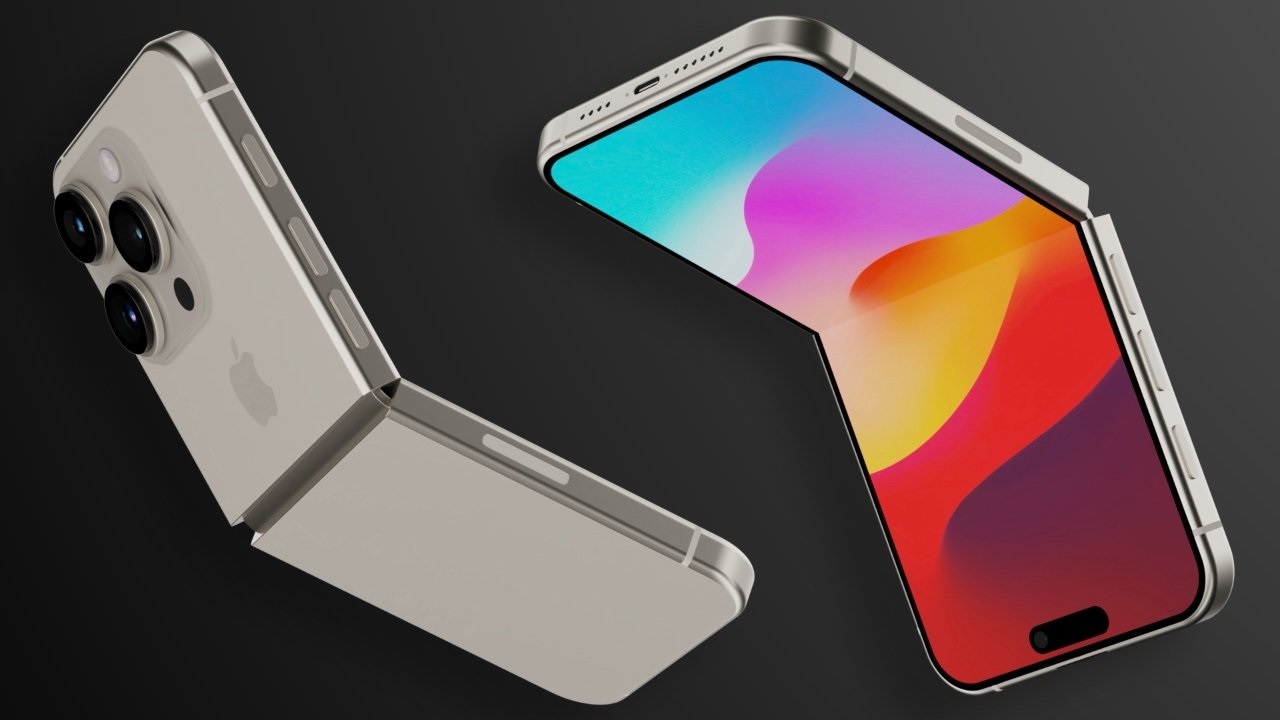
Apple hasn’t even released its first foldable smartphone, yet the company is already working on follow-up devices. Bloomberg’s Mark Gurman reports that Apple is exploring a square, clamshell-style foldable iPhone that would compete with compact foldables like Samsung’s Galaxy Z Flip 7 and Motorola’s Razr. However, a larger book-style foldable device may be delayed until 2029 due to technical challenges.
Gurman Report Reveals New Prototypes
According to an Engadget report, Apple is experimenting with a clamshell-style foldable iPhone that would rival pocket-friendly devices from Samsung and Motorola. Gurman cautioned that the clamshell concept is “far from guaranteed” and remains under consideration. Nevertheless, the mere existence of prototypes suggests that Apple is laying contingency plans, reflecting confidence that its inaugural foldable, rumored for release later this year, will generate significant consumer interest.
Foldable smartphones have matured from experimental gadgets to mainstream products as companies like Samsung and Motorola refine hinge designs and reduce display creasing. Apple’s interest signals that it recognizes the appeal of devices that can slip easily into a pocket yet unfold to provide tablet-like screens.
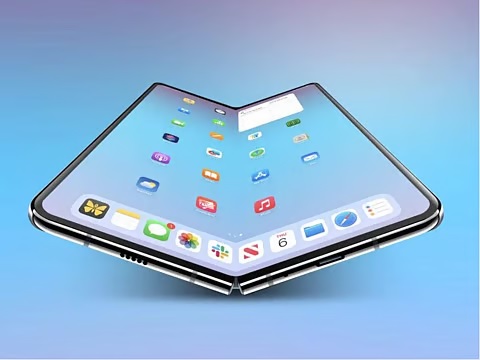
Analysts speculate that a clamshell iPhone could use flexible OLED or microLED panels sourced from long-time partners and could incorporate durable titanium frames to withstand thousands of folds. Premium features such as under-display cameras, high-refresh-rate screens and improved battery chemistry would help Apple maintain its reputation for quality while matching or exceeding rivals on longevity.
Emphasis on Reliability and Premium Experience
Apple’s design philosophy emphasizes reliability and a premium feel. Engineers must ensure that the crease created by folding remains subtle and that the hinge mechanism resists dust and wear. The success of the first foldable will likely influence the timing and features of subsequent devices. Early sales will inform whether a flip phone becomes a core product line or a niche offering.
Observers say Apple might integrate unique software features—such as multi-window multitasking or seamless handoff between iPhones, Macs and iPads—to differentiate itself from Android competitors and to make the foldable form factor more than a gimmick.

Market researchers note that sales of foldable phones grew by over 25 percent in 2025, with younger consumers drawn to devices that stand out from traditional slabs. Apple is known to wait until technology has matured before launching a product, ensuring that hardware and software are polished.
Some analysts think the company is hedging its bets: by developing both clamshell and book-style prototypes, it ensures that whichever design resonates with consumers, Apple will have an offering ready. Such contingency planning reflects the high stakes. The smartphone market is saturated, and foldables represent one of the few remaining frontiers for growth.
Services Revenue Beyond Hardware
Beyond hardware, services revenue is another consideration. A foldable iPhone could encourage users to subscribe to Apple’s growing portfolio of services—from streaming to cloud storage—by providing a more immersive screen for video, gaming and productivity tasks. The company’s continued investment in custom silicon means it can optimize power consumption and performance for these new form factors.
Larger Book-Style Foldable Delayed Until 2029
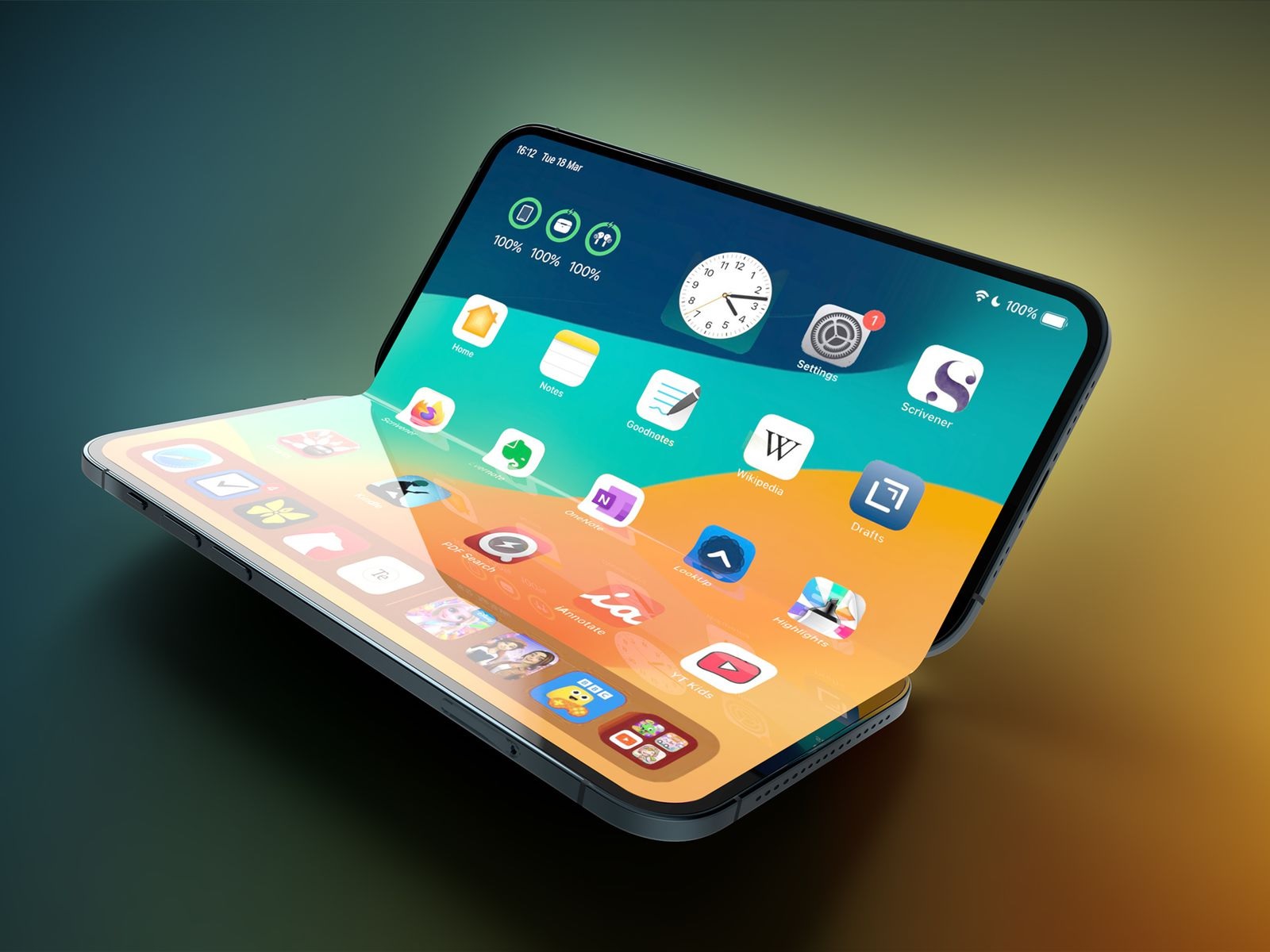
Apple’s experimentation with folding form factors isn’t new. Previous leaks indicated the company had built prototypes of a flip-phone-like device. Gurman notes that Apple is also considering a larger foldable that opens like a book, closer in size to a small iPad. However, development challenges have reportedly pushed any such device beyond the end of the decade, with a possible release around 2029.

The flip-style phone would give Apple a smaller device to rival pocket-friendly foldables while it refines larger models. If Apple delivers, consumers could see a family of folding iPhones spanning both compact and tablet-like designs in the coming years.
Developing a larger book-style foldable presents greater engineering challenges. These devices effectively combine a phone and tablet, requiring robust hinges, flexible yet durable displays, and software that seamlessly transitions between sizes. Apple must address concerns about screen longevity and repairability while controlling costs so that the product does not become prohibitively expensive.
Meanwhile, Apple is refining the software experience for foldables. Future versions of iOS may need to support dynamic resizing, new gestures for folding and unfolding and a multitasking interface that takes advantage of the larger unfolded display. Engineers are reportedly exploring ways to minimize the gap between folded halves, improve water resistance and possibly add Apple Pencil support to larger foldables.
Industry analysts note that Apple often enters categories later than its competitors but has a track record of redefining them through polished hardware and integrated software ecosystems.
Product Cannibalization and Ecosystem Support
If the larger foldable eventually ships, it could blur the line between iPhone and iPad, raising strategic questions about product cannibalization. Some experts argue that Apple will position the device as a premium productivity tool for professionals who need a compact tablet but want cellular connectivity and phone capabilities. That strategy could justify the higher price point and open a new category, similar to how the iPad Pro carved out a space between laptops and tablets.
Consumer adoption of foldables also hinges on software support from third-party developers. Apple will need to provide tools and guidelines so that app makers can adapt layouts seamlessly when a device transitions from folded to unfolded states. The company’s control over the App Store could accelerate this transition, but it will require careful messaging to ensure developers prioritize the new form factor.
Ultimately, the success of a clamshell or book-style foldable will depend not only on hardware innovation but on a holistic ecosystem that delivers compelling experiences.