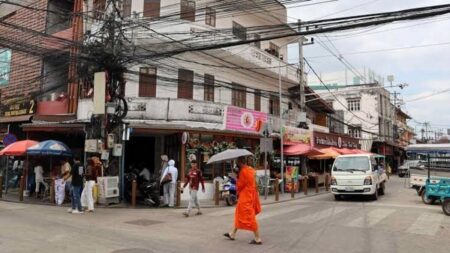

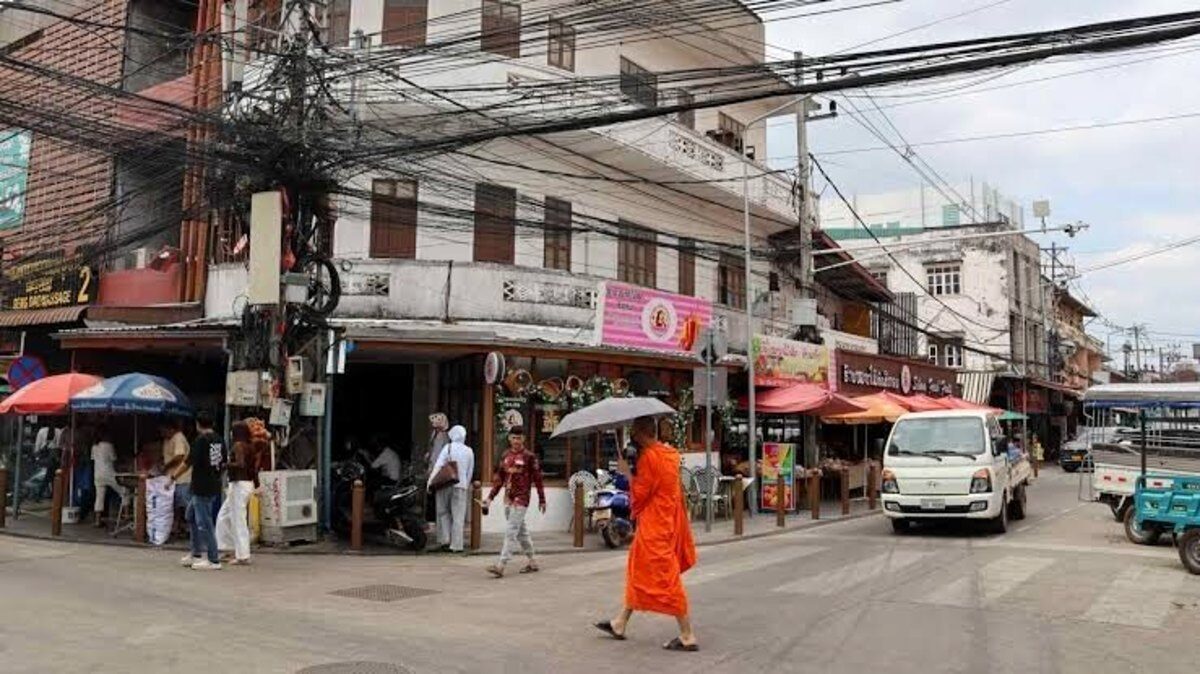
While South East Asian capitals compete with modern skyscrapers, traffic, and rapid urbanization, the Laotian capital of Vientiane offers a completely different world. Life moves at a slower pace in this city built along the banks of the Mekong River, where golden Buddhist temples, heritage architecture, riverside food stalls, and evening markets preserve a distinct small-town charm.
A visitor can cover the city’s main attractions in just two days. However, the true beauty of Vientiane lies not only in its sightseeing spots, but in its quiet atmosphere and layers of history.
Understanding Modern Laos Through History
Vientiane became the capital of the Lao kingdom in the 16th century when King Setthathirath moved the royal court from Luang Prabang. Siamese invasions, French colonial rule, and the political conflicts of the Cold War later deeply impacted the city’s history.
Although Laos was devastated by intense covert US bombing during the 1960s and 1970s, Vientiane escaped major destruction. After the communist Pathet Lao took power in 1975, the country experienced a long period of economic contraction and austerity.
Visitors can explore this history on their first day at the Lao National Museum. The museum houses artifacts from the ancient Lan Xang kingdom, Buddhist sculptures, weapons, and documents detailing the struggle against colonial rule.
Exhibits portray French police torture, cave schools operated to shelter from US bombings, and scenes from the Pathet Lao revolution. Personal items of Laos’s first prime minister, Kaysone Phomvihane, including his weapons and briefcase, are also preserved here.
Traces of History in Ancient Temples
Built in 1818 by King Anouvong, Wat Si Saket is Vientiane’s oldest surviving temple. Its walls, lined with thousands of Buddha statues and intricate murals, are a major draw for visitors.
Next is Pha That Luang, the national symbol of Laos. Standing nearly 45 meters high, this 16th-century golden stupa is one of the country’s most sacred Buddhist monuments and is surrounded by a repository of religious art.
In the late afternoon, tourists can visit the Patuxai Victory Monument, built between 1957 and 1968 to commemorate independence from France. Modeled after Paris’s Arc de Triomphe, it incorporates Lao design elements, lotus decorations, and depictions of the mythical Kinnari. The rooftop offers panoramic views of the city.
Mekong Sunsets and Night Markets
One of Vientiane’s highlights is the night market along the Mekong River, which fills with crowds at sunset. Food stalls offering charcoal-grilled fish, traditional Lao sausages, and coconut cakes draw visitors alongside vendors selling clothing, textiles, and handicrafts.
Visitors can sample local dishes while watching the sun set over Thailand across the river.
Day two can begin at Talat Sao, or the Morning Market, which features gold, textiles, wooden crafts, and souvenirs.
A visit to the Lao Textile Museum offers insights into traditional handloom weaving, fabric dyeing, and historic textiles.
A Unique Experience at Buddha Park
Located about 25 kilometers from the city, Buddha Park (Wat Xieng Khuan) was created in the 1950s by a Lao religious monk. Filled with massive Buddhist and Hindu sculptures, the park differs significantly from traditional temples.
Key highlights include a 40-meter reclining Buddha and a pumpkin-shaped structure that visitors can enter and climb to the top. Round-trip travel from the city takes about 1.5 hours, with an additional hour needed to explore the park.
Back in town, travelers can try local cuisine at Nem Sihome. The popular dish, Nem Nuang, consists of charcoal-grilled pork, fresh herbs, thin rice paper, and a special sauce.
Visitors can also learn about the enduring problem of unexploded ordnance from US bombings at the MAG Laos Visitor Centre, or visit Wat Ho Phra Keo to view its Buddhist art collection. The temple once housed the famous Emerald Buddha, which is now enshrined in Bangkok.
A Changing City with an Enduring Identity
The China-Laos Railway, launched in December 2021 to connect the city with Kunming, China, plays a major role in Vientiane’s ongoing transformation. It has driven an influx of Chinese investment, businesses, restaurants, and shopping centers.
Chinese-language signage, Sichuan and Hunan restaurants, and hotels catering to Chinese business travelers are especially visible around the Sanjiang area, contrasting with the traditional feel of other neighborhoods.
Despite the growing impact of the railway and new investments, Vientiane has retained its traditional character. Its temples, riverfront, local food, and relaxed pace remain its defining features.
Accommodation options include the budget-friendly Mali Namphu Hotel, the mid-range Salana Boutique Hotel, and the luxury Avani+ Lanxang Vientiane.
Travelers with an extra day can visit the Lao Art Museum, opened in early 2025, which showcases traditional wood carvings alongside modern paintings and sculptures.
Vientiane is a capital where the joy of travel extends beyond mere sightseeing, resting in its rich history, local flavors, and quiet moments along the Mekong.
More by Sarakhon Report
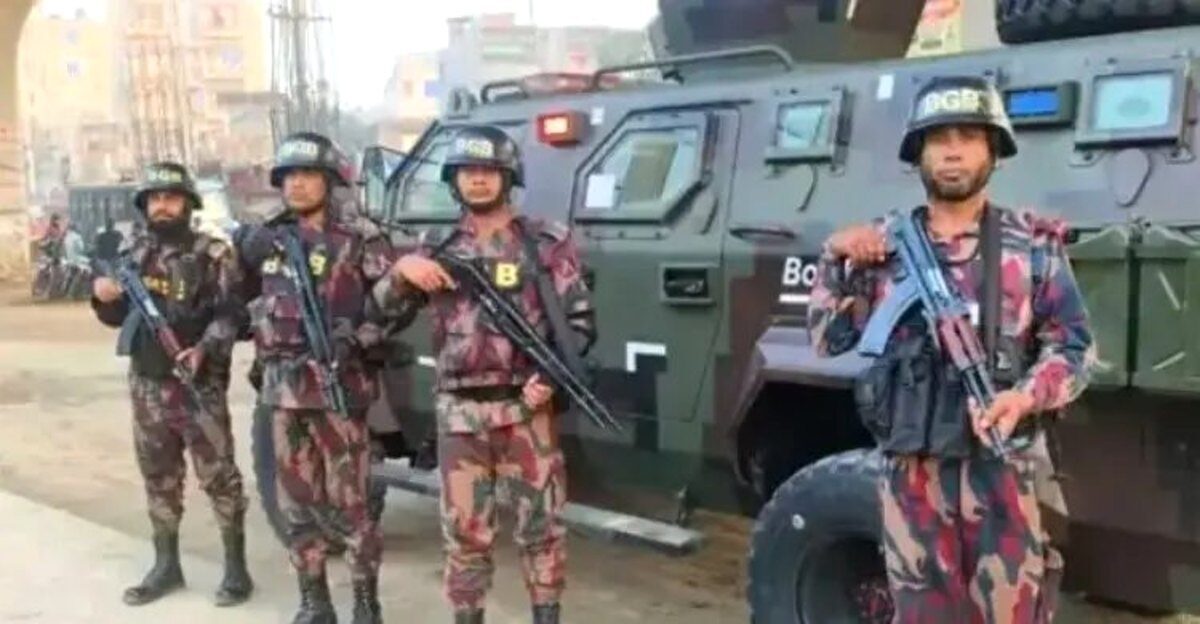 BGB Deployed in Mymensingh Industrial Zones
 Gazipur Garment Workers Block Highways, Tear Gas Fired
 Bangladesh Maize Demand May Reach 1.7 Crore Tonnes by 2050
 Saif Hassan Named Bangladesh A Captain for Asia Cup