
The prolonged Rohingya crisis is putting pressure on the lives and livelihoods of young people both inside refugee camps and in the host communities of Ukhiya and Teknaf in Cox’s Bazar. Nearly half of Rohingya youth are neither studying nor engaged in any form of work. Meanwhile, two-thirds of young people in the local communities say the crisis has negatively affected their livelihoods.
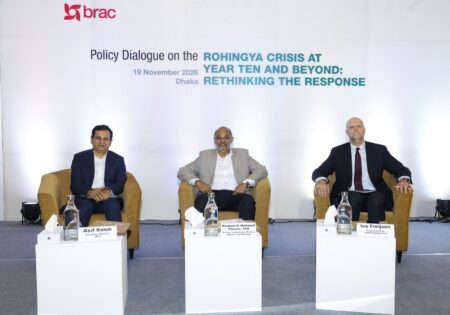
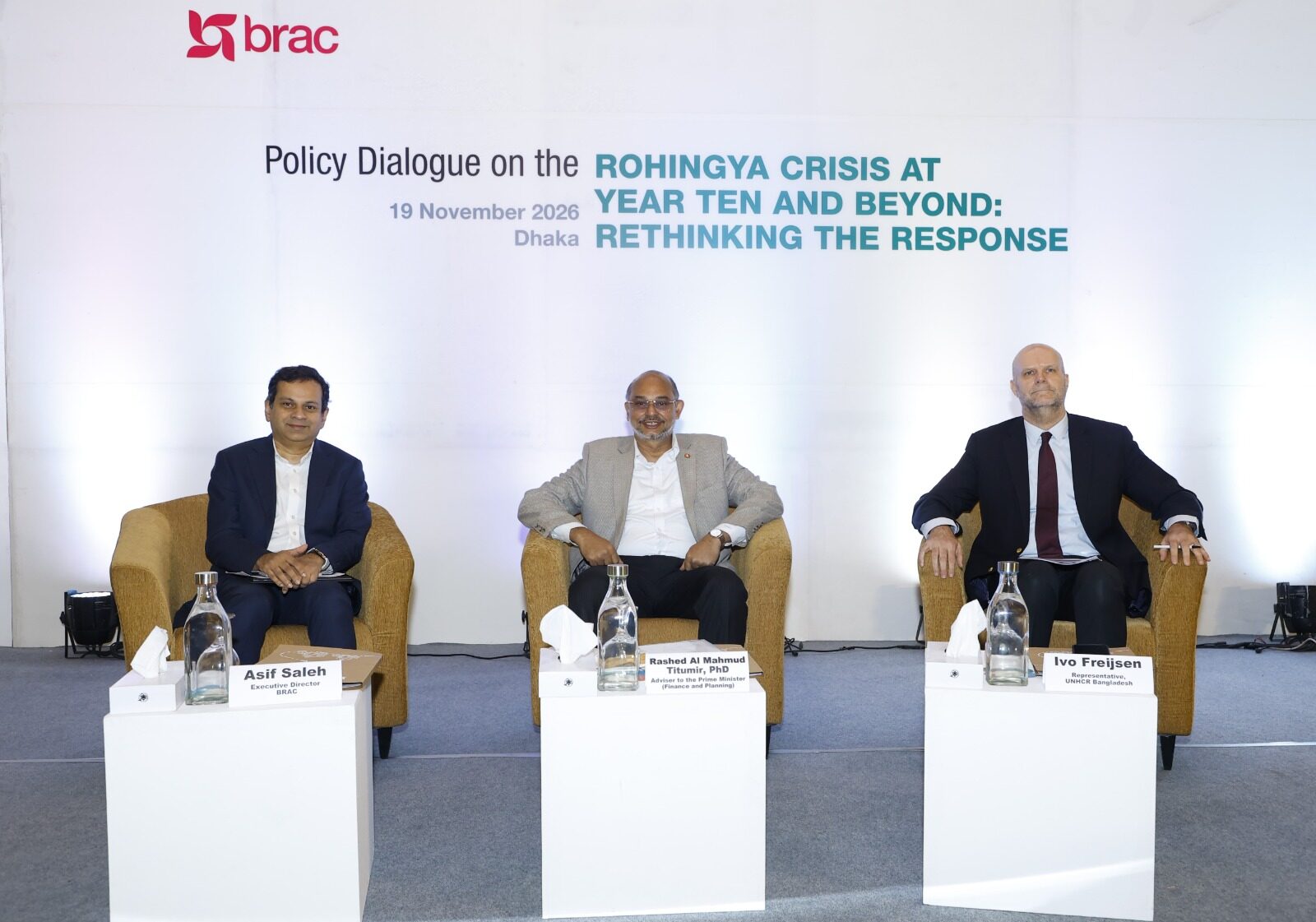
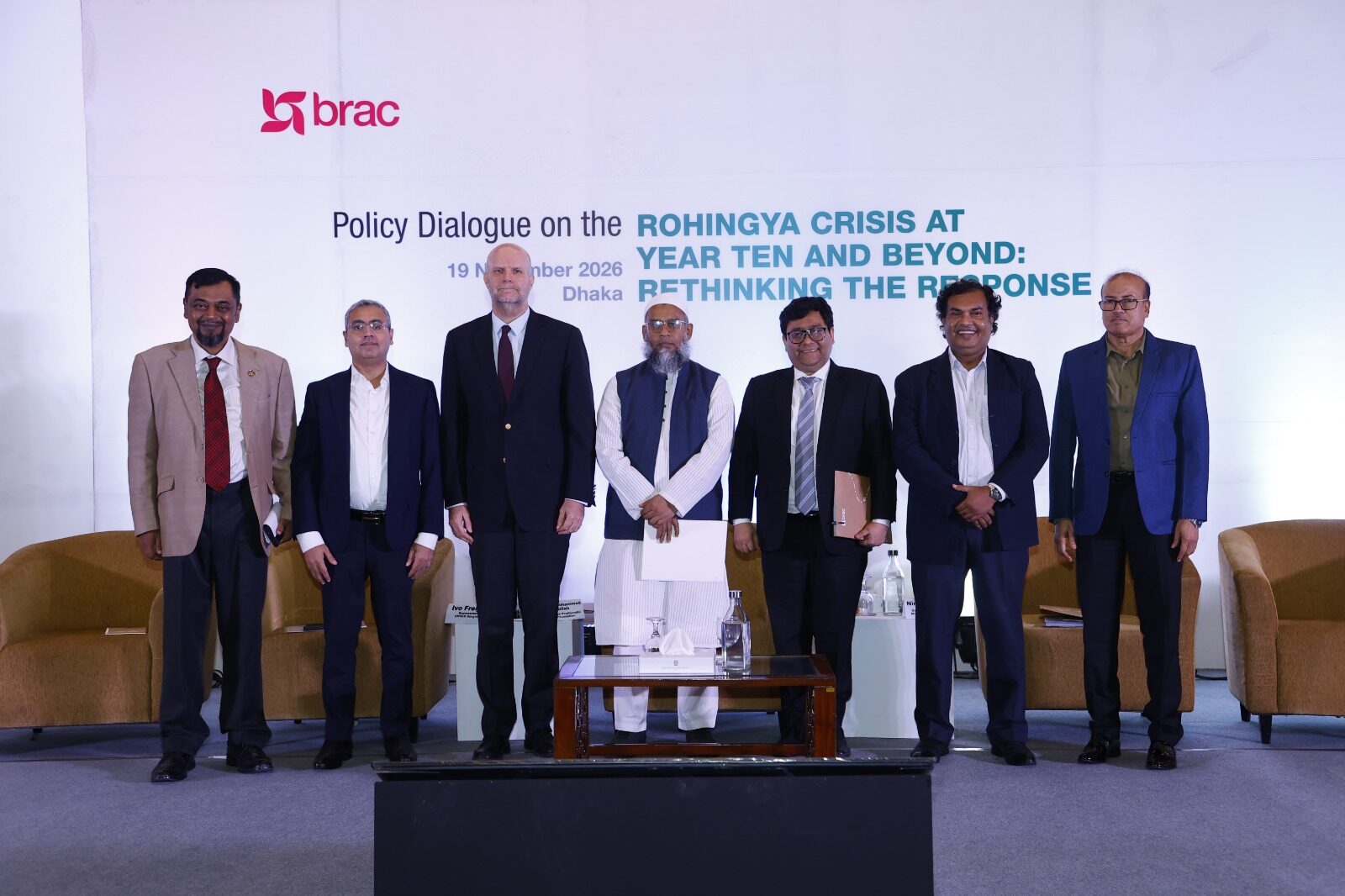
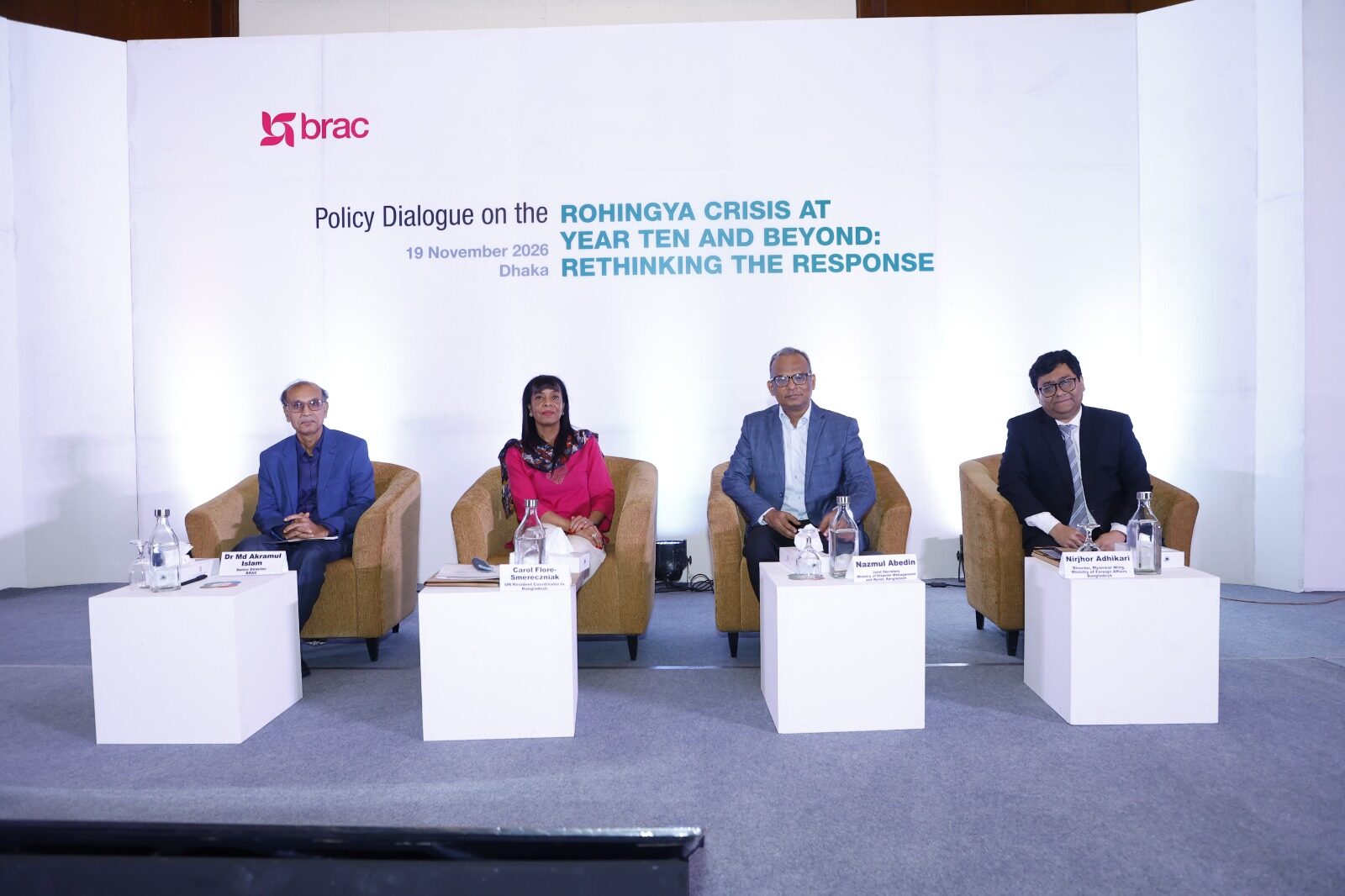
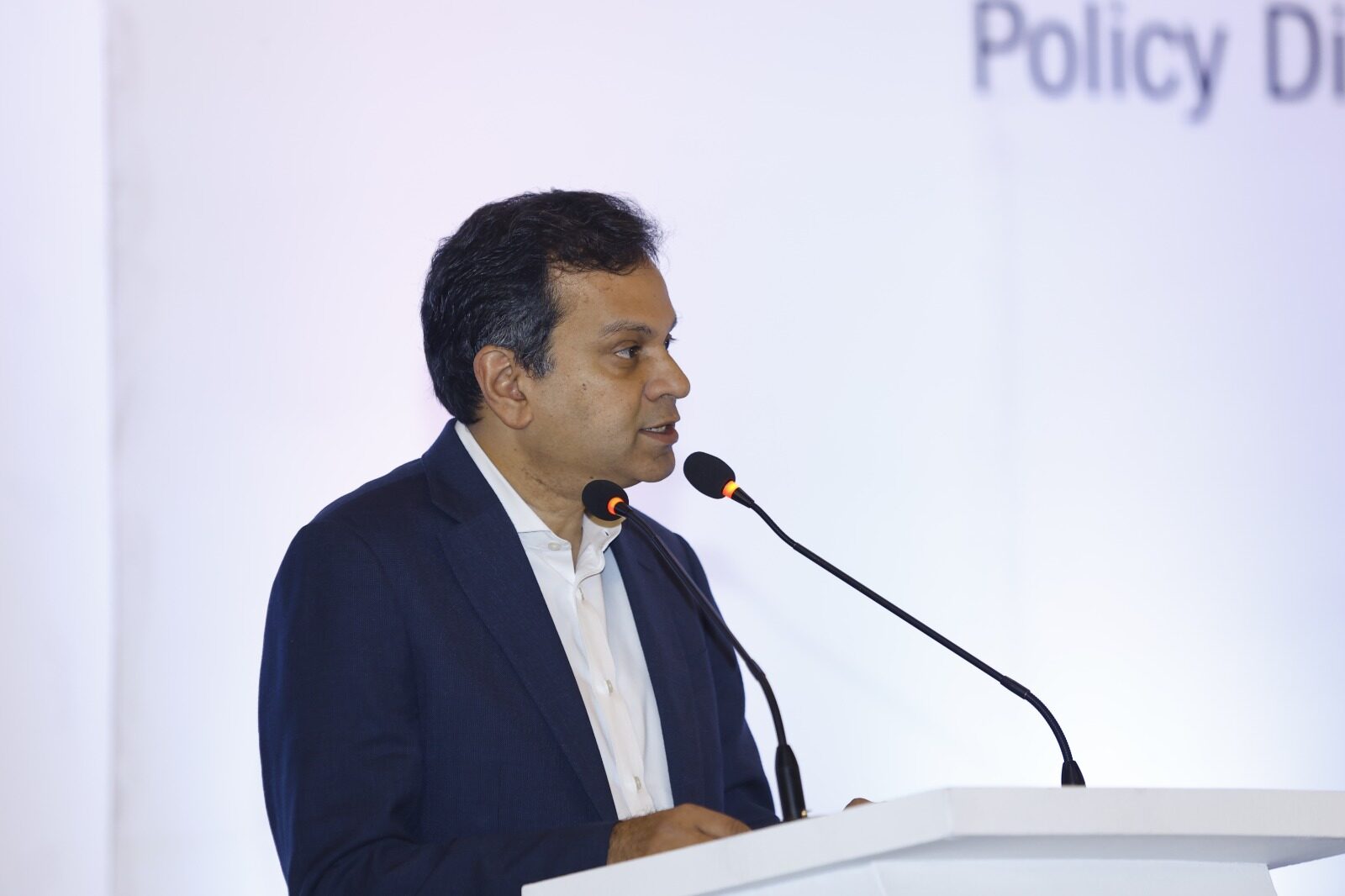
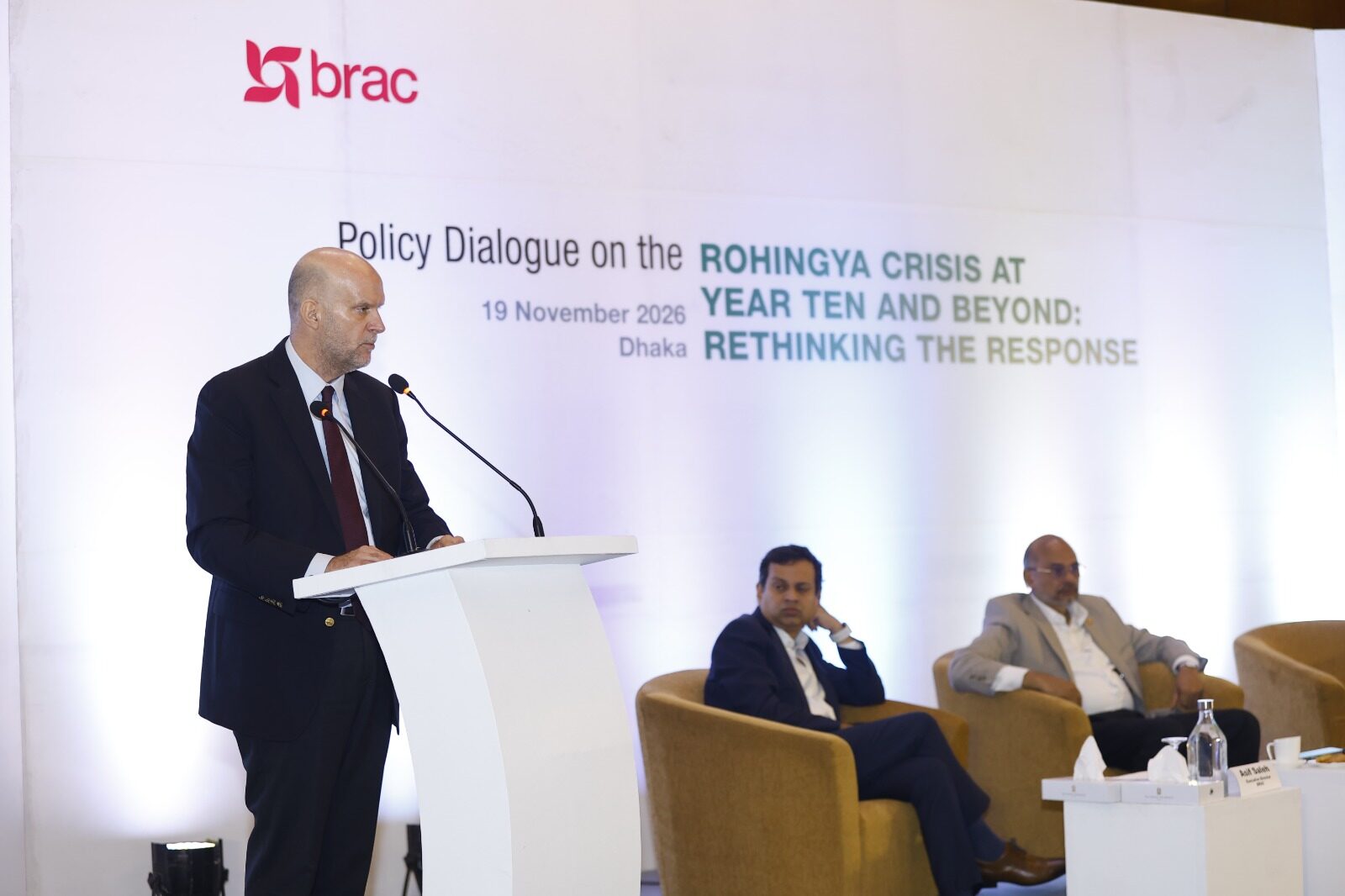
These findings emerged from two studies conducted by BRAC, a non-governmental development organisation. The results were presented on Thursday, November 19, at a policy dialogue titled “The Rohingya Crisis: Year Ten and Beyond—Rethinking the Response” at the Pan Pacific Sonargaon Hotel in Dhaka.
The studies suggest that reducing humanitarian assistance or putting pressure on Rohingya refugees to encourage repatriation would not be an effective solution. Instead, young people from both communities see citizenship, equal rights and security in Myanmar as essential conditions for repatriation.
49.7% of Rohingya Youth Are Outside Education and Employment
According to BRAC’s research, 49.7% of Rohingya youth are neither studying nor engaged in any form of work. The gap between young women and men is particularly striking. While 84.5% of young women are outside education and employment, the figure for young men is 14%.
Only 17.9% of young people are currently studying, while 38.4% are involved in livelihood activities.
Most of those who work are engaged in NGO volunteer programmes, day labour or small businesses. However, they get an average of only 15 days of work per month. Many lose their jobs when projects end. As a result, irregular income makes it difficult for many to meet even their basic needs.
The research also found a link between income and willingness to return to Myanmar. Among young people who earn some income, 79.3% said they were willing to return. The figure falls to 53.4% among those without an income.
Rohingya Youth Unwilling to Return Without Citizenship and Security
Among the Rohingya youth surveyed, 76.7% said they would like to return to Myanmar if certain conditions were met. The proportion rises to 82.6% if citizenship and equal rights are guaranteed.
By contrast, only 19.4% would consider returning if citizenship were granted without guarantees of security and employment.
If assistance and work opportunities in camps in Bangladesh were reduced while Myanmar offered only aid and jobs, 52.6% said they would prefer to remain in the camps. Only 35.6% would consider returning.
66.7% of Local Youth Report Negative Impact on Livelihoods
The impact of the Rohingya crisis extends beyond the refugees themselves. In Ukhiya and Teknaf, 66.7% of young people from local communities said the crisis had adversely affected their livelihoods.
Among them, 85.8% said finding work had become more difficult than before. Another 65.9% reported a decline in wages, while 36.4% said they had lost their jobs or work.
The situation appears more concerning in Teknaf, where 71.6% of young people reported livelihood losses. In Ukhiya, the figure was 60.1%.
There is also a significant gender gap in employment among young people in host communities. Although 53.9% of young women have completed secondary or higher education, only 20.8% are engaged in income-generating work. Among young men, the figure is 70.2%. On average, men earn 4.3 times as much as women.
Only 23.4% Support Forced Repatriation
Because of the presence of Rohingya refugees, 72.2% of young people in host communities believe local residents have been adversely affected. Meanwhile, 57.3% said relations between the two communities were poor.
Despite this dissatisfaction, only 23.4% of local youth support forced repatriation. As many as 95.5% called for the creation of more employment opportunities for local residents.
Their main demands include giving local people priority in jobs at government agencies and non-governmental organisations, providing them with employment opportunities inside refugee camps, expanding skills training, and supporting agriculture, fisheries and handicrafts.
Call for Long-Term Planning to Address the Crisis
The two BRAC studies were conducted in March and April 2025. A total of 1,152 young people aged 15 to 35 took part: 576 Rohingya refugees living in camps and 576 members of the host communities in Ukhiya and Teknaf. Data were collected through surveys, focus group discussions and in-depth interviews.
At the dialogue, BRAC Executive Director Asif Saleh said that even if repatriation was not possible in the near future, it was essential to create opportunities for Rohingya refugees to improve their livelihoods and skills. He said this should not be viewed as an effort to integrate them into Bangladeshi society, but rather as preparation for a dignified return. He also stressed that local communities should not be left to bear the economic costs of the prolonged crisis alone.
Dr Rashed Al Mahmud Titumir, Adviser to the Prime Minister on Finance and Planning, said the Rohingya crisis must be resolved in Myanmar. Their political rights must be restored and conditions for safe repatriation ensured. The international community, he said, cannot walk away from this responsibility.
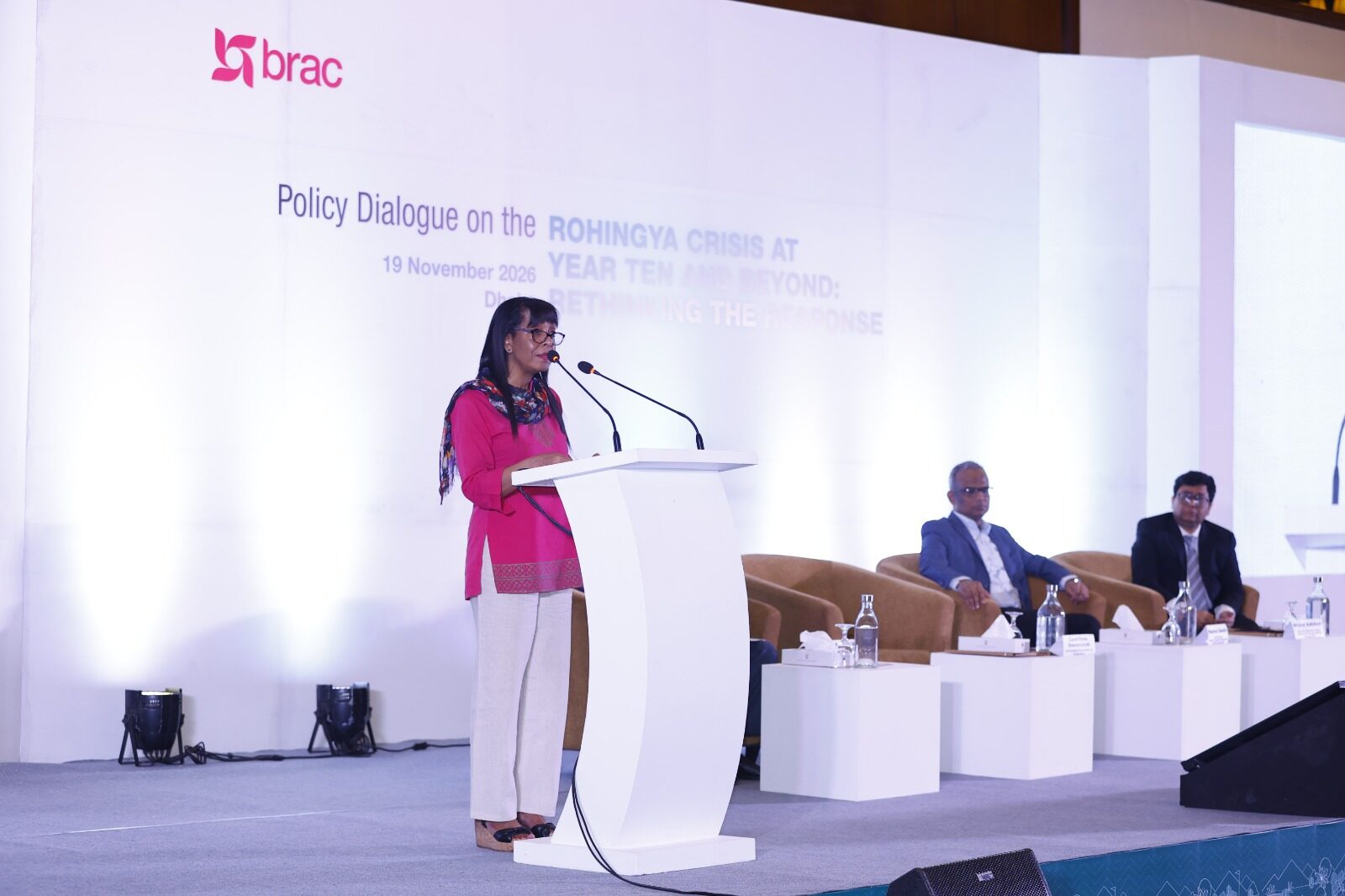
Ivo Freijsen, UNHCR Representative in Bangladesh, emphasised the need for long-term and sustainable initiatives. Mohammed Mizanur Rahman, Refugee Relief and Repatriation Commissioner, said the Rohingya had fled persecution, not poverty, and should not be viewed merely as recipients of aid.
Speakers at the dialogue said humanitarian assistance alone would not resolve a crisis that has persisted for years. Alongside expanding access to education, skills development and employment for Rohingya youth, it is essential to protect the livelihoods of host communities and ensure greater economic participation by women. They also stressed the need to strengthen international cooperation to create conditions for safe, voluntary and dignified repatriation to Myanmar.
More by Sarakhon Report
 Bangladesh Lose First Test to South Africa by 9 Wickets
 Experts Recommend 3 Daily Exercises to Strengthen Ankles
 Two BNP Leaders Killed In Narail Rally Attack
 Bangladesh Remittances Hit $2.87b in October