
Battery-powered rickshaws have become an important part of Bangladesh’s urban transport system. They provide an affordable means of transportation while supporting employment for hundreds of thousands of people and contributing to local economies. However, their rapid expansion has also raised concerns over unregulated operations, road accidents, irregular electricity consumption and environmental pollution. Experts say policies to regulate the sector must go beyond controlling vehicles and take into account the livelihoods of drivers and others who depend on the industry.
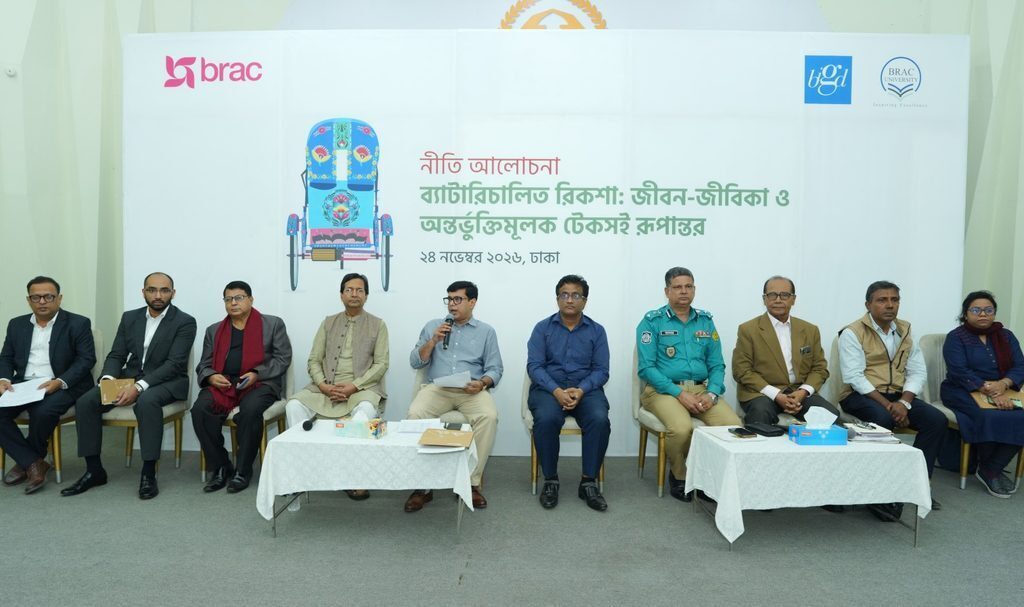
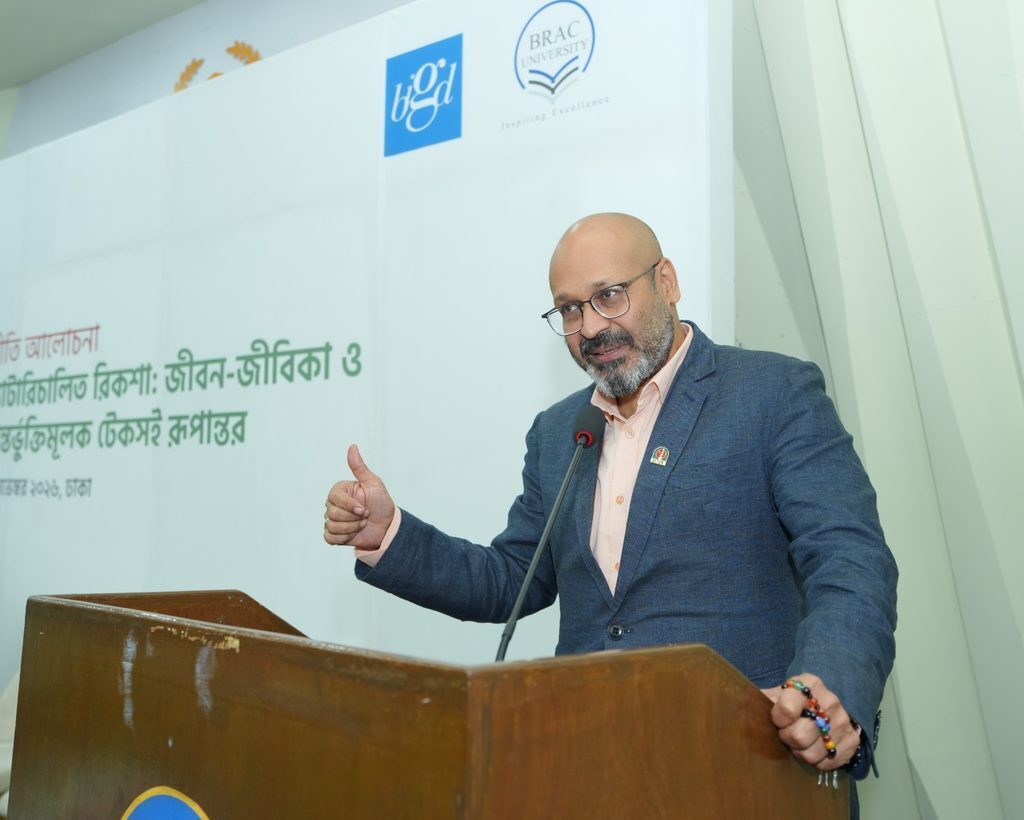
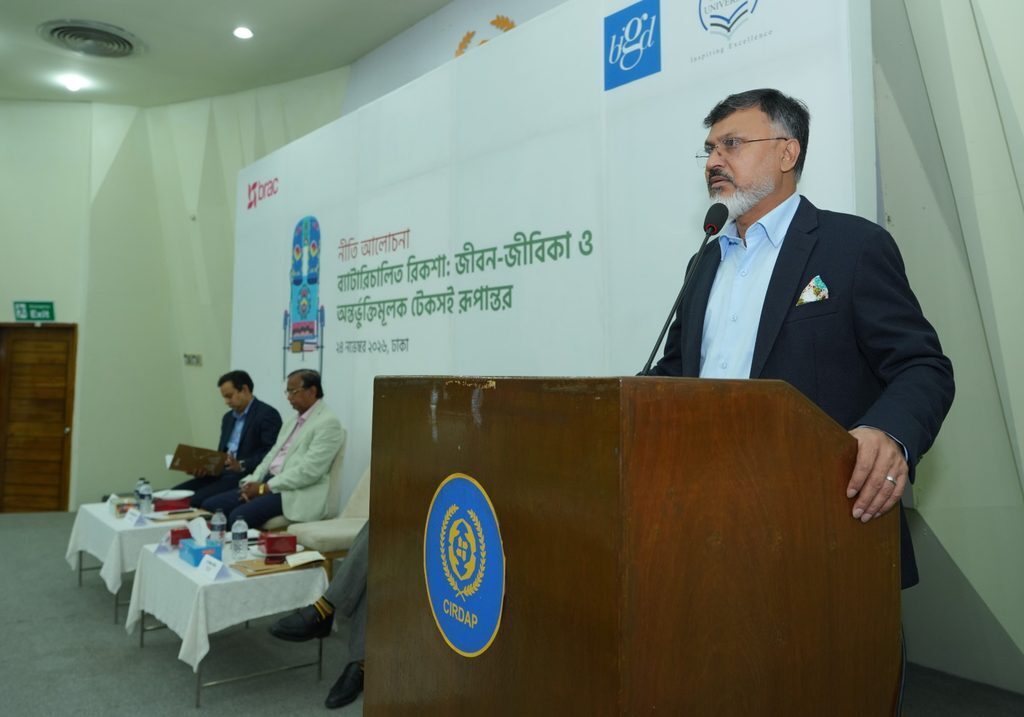
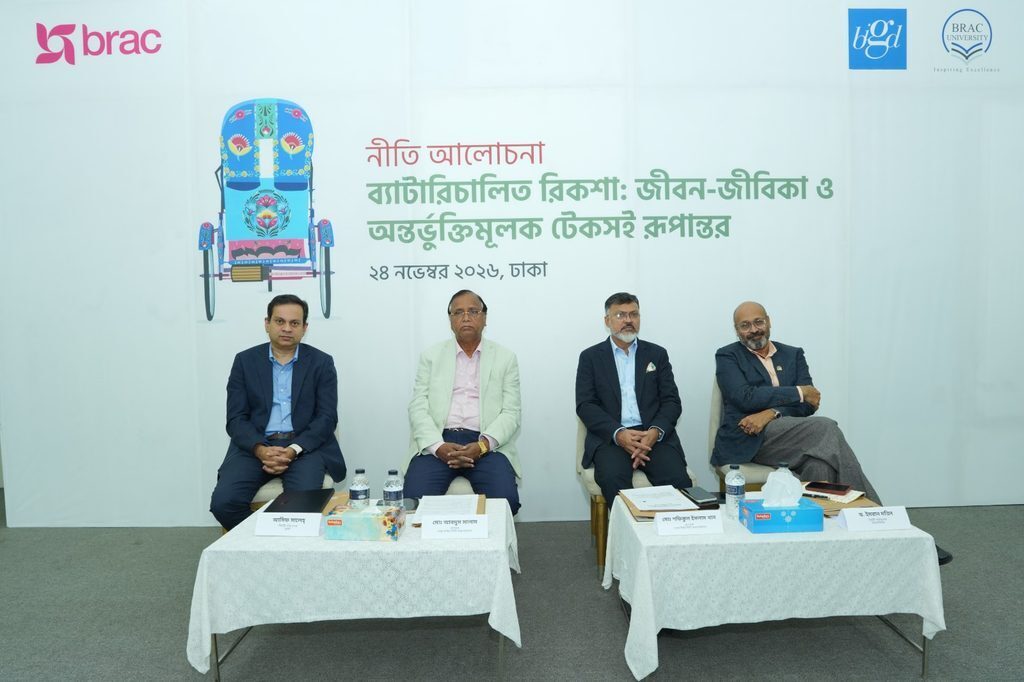
These issues emerged at a policy dialogue titled “Battery-run Rickshaws: Livelihoods and Inclusive Sustainable Transition,” held at the CIRDAP Auditorium in the capital on Tuesday, November 24. The event discussed the realities and challenges of the battery-powered rickshaw sector, as well as future policy directions, based on joint research by BRAC and the BRAC Institute of Governance and Development (BIGD).
Drivers’ Livelihoods Must Not Be Overlooked
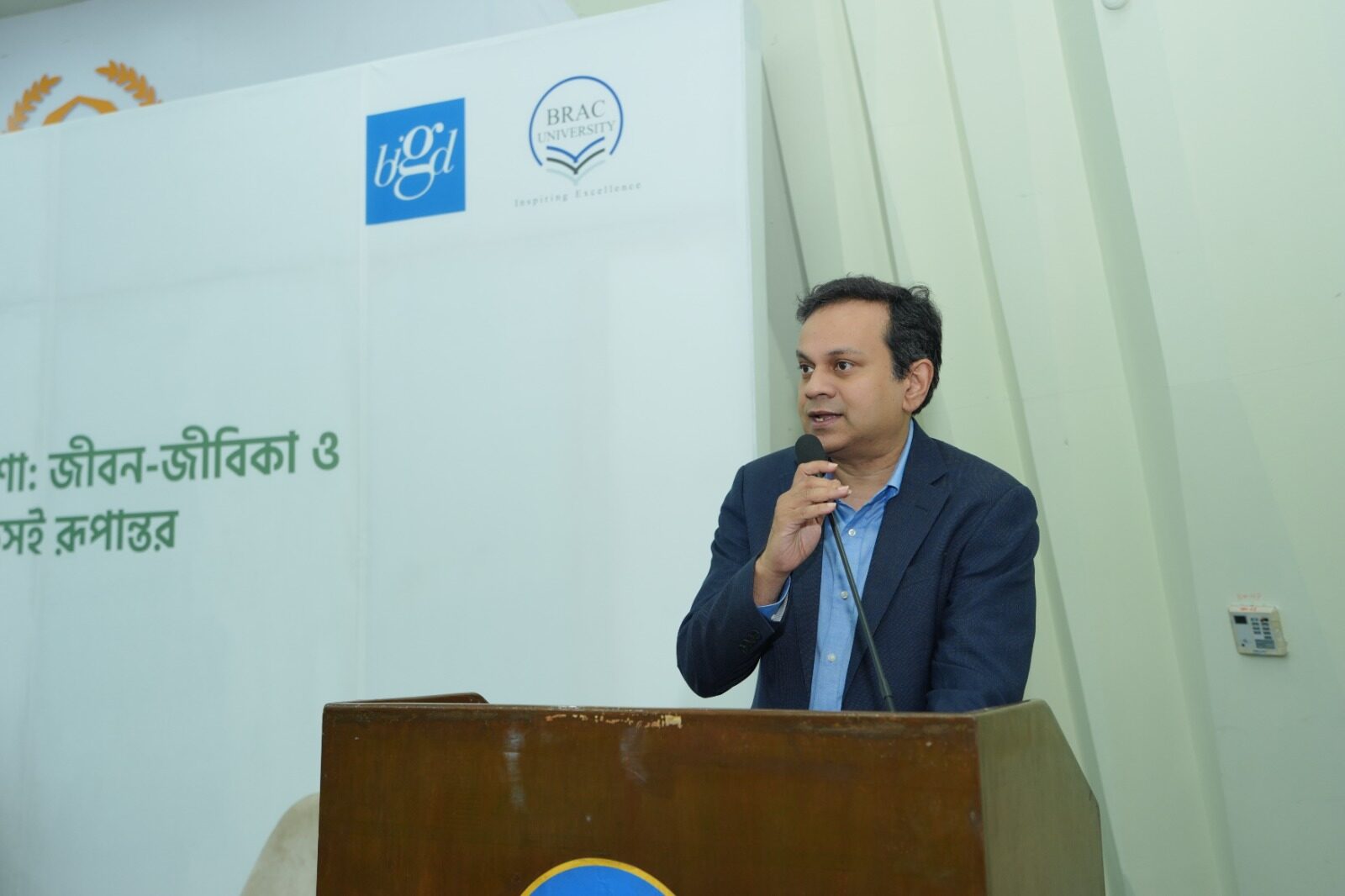
BRAC Executive Director Asif Saleh said the experiences and concerns of people working in the informal sector rarely receive adequate attention from policymakers. Yet drivers, vehicle owners, garage operators, mechanics and passengers are all directly connected to the battery-powered rickshaw sector.
He said that instead of imposing sudden bans or strict restrictions, authorities should introduce a three-to-four-year phased transition plan. This would allow the sector to be gradually brought under regulation while minimising the impact on drivers and their families.
Study Highlights Drivers’ Economic Insecurity
The BRAC-BIGD study found that nearly 96 per cent of surveyed battery-powered rickshaw drivers had no licence or permit. Around two-thirds had experienced fines or harassment at some point.
More than 78 per cent of battery-powered rickshaw drivers in Dhaka had migrated from other districts. Of them, 84 per cent identified a lack of employment opportunities in rural areas as the main reason for moving to the city.
The survey also found that 78.2 per cent of drivers rented the rickshaws they operated, spending an average of 38.6 per cent of their income on rental payments. If their earnings stopped, 62.9 per cent would be unable to support their families for even a week.
Another concerning finding was that 26.7 per cent of drivers had experienced at least one road accident in the month preceding the survey.
Coordinated Action Needed to Regulate the Sector
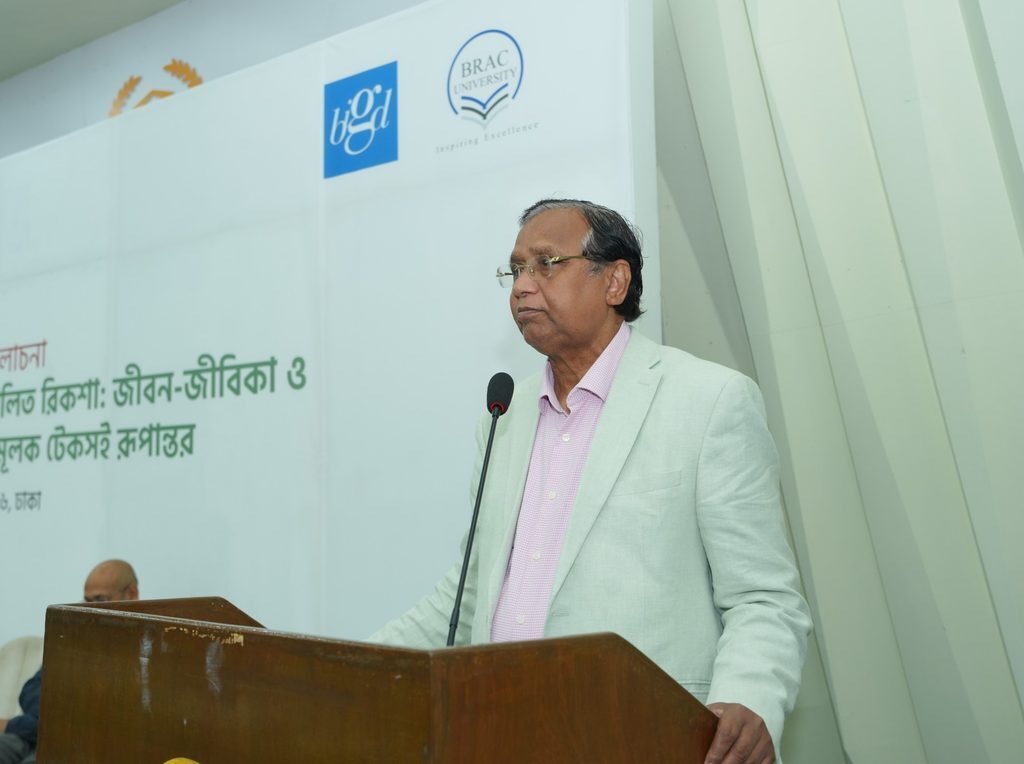
Md Abdus Salam, Administrator of Dhaka South City Corporation, said urban challenges such as traffic congestion, air pollution, waterlogging, mosquito infestations and waste management were interconnected. Addressing one problem while ignoring the others would not produce sustainable results.
Md Safiqul Islam Khan Milton, Administrator of Dhaka North City Corporation, said the authorities were not opposed to auto-rickshaws or their drivers. However, bringing the sector under a legal framework would help establish accountability and make it easier to provide necessary support to drivers.
Garage Operations and Battery Management Pose Major Challenges
The study found that garages play a central role in the battery-powered rickshaw ecosystem. Drivers depend on them for vehicle rentals, battery charging and replacement, repairs, financial assistance, and support in cases involving accidents or fines.
However, unregulated electricity consumption, the operation of garages on public land, and the informal production and recycling of conventional lead-acid batteries pose risks to the environment and public health.
Recommendations for Phased Regulatory Reform
The study recommends developing a realistic, phased roadmap to bring the sector under a formal regulatory framework. It also calls for the prompt introduction of minimum vehicle safety standards, designated operating zones and clear guidelines for road use.
The costs of vehicle conversion or replacement, battery upgrades, charging, insurance and licensing should remain affordable for drivers and owners. The study stresses that these expenses must not force people out of their livelihoods or significantly increase passenger fares.
It also recommends integrating existing garages and repair networks into the new regulatory system through appropriate support and incentives rather than excluding them.
The Three-wheeled Low-speed Battery-powered Rickshaw (E-rickshaw) Operation Rules, formulated by the Local Government Division in 2026, represent an important step towards formally recognising and regulating the sector. However, effective implementation remains a major challenge.
The BRAC-BIGD study was based on a survey of 450 active battery-powered rickshaw drivers conducted between June 11 and July 30, 2026. The survey covered 300 drivers in Dhaka and 150 in Barishal.