
With only 19 days remaining before the 30-year Ganges Water Sharing Treaty expires on December 12, India has yet to announce when formal negotiations for a new agreement will begin.
The 91st meeting of the Joint Committee under the Joint Rivers Commission (JRC) was held in Dhaka on Sunday, where officials finalized the 2026 annual implementation report.
According to an official briefing note, the meeting reviewed the implementation of the treaty during the dry season. A Bangladeshi source said the session was purely a routine technical exercise and lacked the mandate to discuss renewing or extending the treaty, as its scope was strictly limited to verifying water flow measurements and compliance with established rules. The Bangladesh delegation was led by Md Anwar Kadir, while Sharad Chandra, Flood Management Commissioner at India’s Ministry of Jal Shakti, led the Indian team.
Dhaka has long been pressing for talks on a new treaty. In June, Bangladesh informed India that it had formed a high-level technical committee and requested New Delhi to announce its team, repeating the request in August. Water Resources Minister Shahiduddin Chowdhury Annie wrote to his Indian counterpart through diplomatic channels urging talks without delay, while Rashed Al Mahmud Titumir, head of Bangladesh’s committee and Finance and Planning Adviser, previously stated that New Delhi has not yet responded.
On September 29, Indian Ministry of External Affairs Spokesperson Randhir Jaiswal stated that issues regarding common rivers, including the Ganges, would be discussed through the JRC, adding that technical-level talks were ongoing. An Indian parliamentary standing committee in July had urged its government to initiate bilateral talks without delay to avoid a gap in water sharing after 2026. That report noted India had set up an inter-ministerial committee including representatives from West Bengal and Bihar in July 2023 to review the treaty.
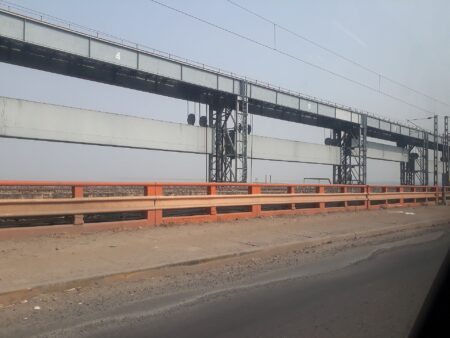
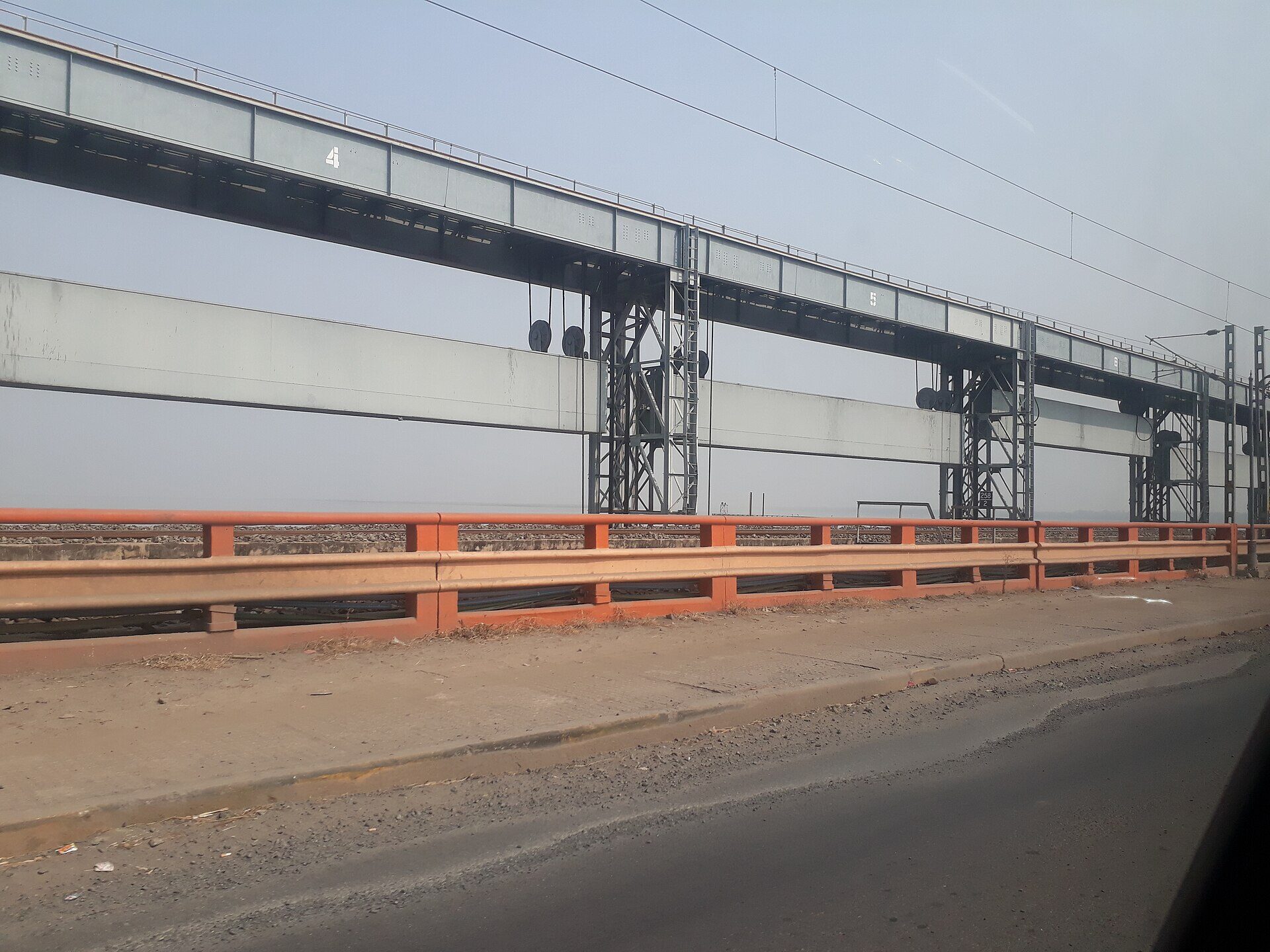
Signed on December 12, 1996, the 30-year Ganges treaty allows for renewal if both nations agree, but contains no provision for automatic extension. Between March 11 and May 10, both countries are guaranteed 35,000 cusecs of water in three 10-day alternating cycles, with allocations during the remaining period depending on water availability at the Farakka Barrage.
The Water Resources Minister previously called for restoring a guarantee clause similar to the 1977 treaty to safeguard Bangladesh’s share during low-flow periods. Continued uncertainty threatens agriculture, fisheries, navigation, and drinking water supplies, with reduced dry-season flow worsening salinity in the southwest. Titumir noted that the Ganges-dependent region covers nearly a third of Bangladesh and is home to over 5 crore people.
More by Sarakhon Report
 Experts Advise Keeping Smartphones Outside Bedrooms for Better Sleep
 Defaulted Loans in Bangladesh Banks Hit Tk 6.27 Lakh Crore
 Man Stabbed to Death Over Rainwater Dispute in Sylhet
 Thailand Backs Bangladesh Bids for ASEAN, RCEP Ties