Urban Wildlife Encounters Rise as Animals Adapt to Colder Cities

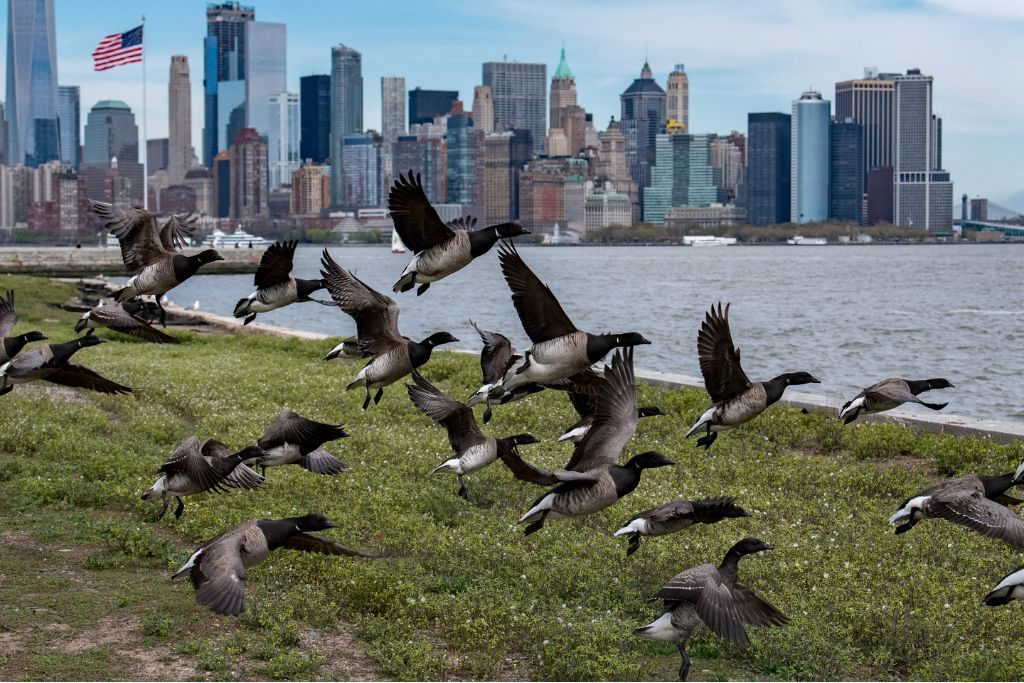
Survival drives closer contact
Wildlife agencies across major cities are reporting a rise in animal sightings as colder winters push species closer to urban areas in search of food and shelter. Foxes, deer, coyotes, and even larger mammals are increasingly spotted in residential neighborhoods, parks, and transit corridors. Officials say habitat pressure and climate shifts are accelerating this trend.
Experts note that urban environments offer consistent food sources and warmer microclimates. Trash, landscaped greenery, and reduced predators make cities attractive during harsh conditions. While most encounters are non-threatening, authorities warn that habituation increases the risk of accidents and conflict.
Managing coexistence in dense spaces
Municipalities are expanding public awareness campaigns to reduce risky interactions. Residents are urged to secure waste, avoid feeding wildlife, and report aggressive behavior promptly. Relocation remains a last resort, as displaced animals often return or fail to survive elsewhere.
Conservationists argue that rising encounters underscore broader ecosystem stress. Fragmented habitats and climate volatility are compressing wildlife ranges. Long-term solutions, they say, require better urban planning, wildlife corridors, and public education rather than reactive removal.
As cities continue to expand, experts predict that human-wildlife coexistence will become a defining challenge of urban living in a changing climate.