
Crackdown and death toll
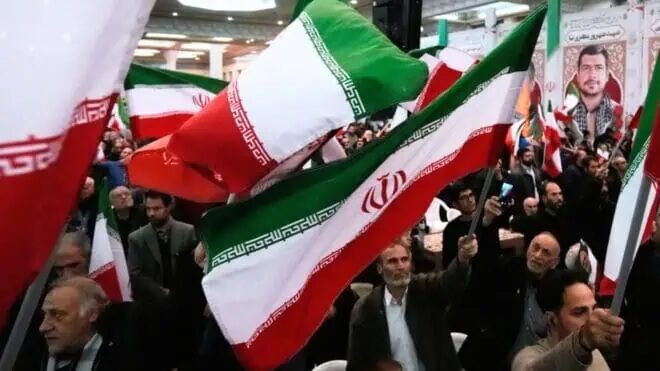
Iran’s domestic upheaval reached another grim milestone as a leading Iranian human rights organisation said the death toll from two years of protests has surpassed 3,000. The HRANA news agency, which compiles data from dissidents and lawyers, said it had verified 3,090 deaths since demonstrations erupted over rising fuel costs, the death of a young woman in morality‑police custody and broader calls for economic justice. The tally includes more than 2,800 protesters and about 200 members of the security forces. HRANA noted that hundreds of minors and many women were among those killed. After an eight‑day blackout that blocked mobile and broadband services nationwide, connectivity has slowly been restored, but people in provinces such as Khuzestan still report patchy internet access, hindering communication with relatives and lawyers.
Government officials continue to portray the unrest as the result of foreign interference. Iran’s revolutionary guards blamed external enemies for inciting violence and claimed that protest leaders were trained abroad. Official media insist that security forces are deploying non‑lethal tactics and say that provocateurs have been detained. Interior ministry officials cite about 1,500 arrests but deny that the security forces have fired live ammunition at crowds. However, video evidence compiled by rights groups shows paramilitary forces using shotguns and tear gas against protesters in urban centres and conducting night raids on villages. Independent analysts say the crackdown has been among the harshest since the 1979 revolution, with secret tribunals handing down hundreds of death sentences and courts overseeing mass hangings of protesters accused of ‘corruption on earth’.
International reactions and reform prospects
While the latest death figures have drawn global condemnation, foreign governments are unsure how to respond. In the United States, former president Donald Trump claimed without evidence that the Iranian regime had executed thousands of protesters. His assertions were amplified by some conservative media outlets and have complicated efforts by the current administration to rally support for a new nuclear agreement. European governments expressed ‘deep concern’, but their statements lack concrete proposals for sanctions or diplomatic pressure. Rights advocates urge a multilateral inquiry into the killings and call on governments to condition any future talks on the release of political prisoners.
Inside Iran, some clerics and reformists fear that another heavy‑handed crackdown could further erode public trust. They argue that limited reforms – such as easing internet restrictions and holding accountable those responsible for violence – could prevent deeper instability. Others point to recent protests in China and South Korea as examples of regimes adapting to popular pressure while maintaining control. Iran’s supreme leader, Ayatollah Ali Khamenei, 86, has not spoken publicly about the death toll. Analysts say that debates over succession and economic management have intensified within the ruling establishment. Some speculate that Khamenei’s eventual successor might have an incentive to de‑escalate tensions and negotiate with Western powers to revive the economy. For now, however, the security services remain in control, and opposition leaders are struggling to turn public anger into a coherent movement capable of forcing change.
The crackdown has also intensified divisions within Iran’s large diaspora. Families abroad are organising vigils and crowdfunding campaigns to support wounded protesters and pay for legal representation. Social media platforms, though frequently censored inside Iran, have become lifelines, with users sharing footage of demonstrations and urging allies to avoid travel or investment that might legitimise the regime. Experts warn that the combination of economic decline, generational frustration and repression could fuel further unrest in the months ahead, even if the street protests ebb. The death toll, they say, is likely far higher than the numbers confirmed by activists, given the secrecy surrounding burials and the fear among families of speaking out.