
Growing protests and a stagnant economy
Iran’s theocratic state is facing one of its most volatile periods since the 1979 revolution. In late 2025 and early 2026 tens of thousands of Iranians defied riot police, moral‑policing units and internet restrictions to march through Tehran, Isfahan and other cities. They were spurred by a collapsing economy, mandatory hijab laws and simmering anger at what they see as endemic corruption. Security forces responded with live ammunition and mass arrests that killed hundreds and imprisoned thousands. Despite the risk, demonstrators have kept up their momentum because years of sanctions and mismanagement have impoverished middle‑class and working families. Inflation has eroded wages, unemployment has risen and shortages of basic goods have become routine. Many protesters have united demands for lower prices and jobs with calls for women’s rights and freedom of expression. Some even whisper support for the return of the exiled Pahlavi monarchy or direct foreign intervention, yet Iran’s opposition is fractured and lacks an agreed leader. Regional tensions over Iran’s nuclear programme and its support for groups such as Hezbollah have only raised the stakes, leaving Washington and European capitals to offer statements of solidarity while avoiding direct confrontation. Inside Iran, business elites, powerful clerics and commanders from the Islamic Revolutionary Guard Corps have closed ranks to protect their own privileges and to keep the Islamic Republic intact.
The supreme leader’s grip and succession
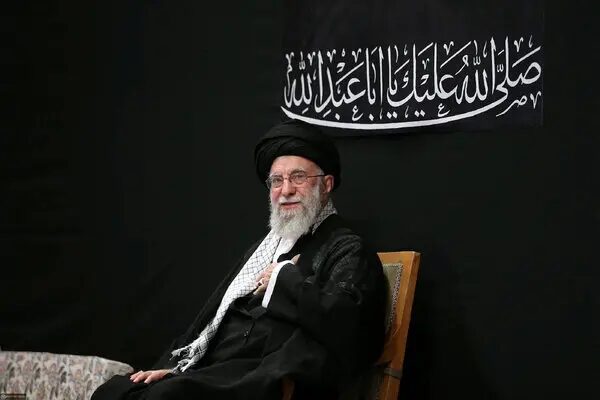
At the centre of Iran’s standoff with its citizens is Supreme Leader Ayatollah Ali Khamenei. At 86 he has ruled for more than three decades and constructed a patronage network that binds the country’s economic and political elites to him personally. His office controls sprawling charitable foundations and trusts that operate construction companies, media outlets, weapons factories and lucrative oil contracts. Through the Guardian Council he prevents reformist candidates from running for office, and his allies in the Revolutionary Guard have built a parallel military–industrial empire that rivals state‑owned enterprises. Khamenei refuses to compromise on the country’s nuclear programme or to reduce funding for regional proxy militias, arguing that such concessions would weaken Iran’s sovereignty. He insists that women must wear the hijab in public, seeing it as a cornerstone of the revolution’s moral code. Senior politicians from conservatives to reformists privately concede that the status quo is unsustainable, but none openly challenge Khamenei. Analysts note that authoritarian systems sometimes change only when a strongman dies. China liberalised economically after Mao Zedong’s death, and South Korea moved toward democracy in the 1980s after decades of dictatorship. Some insiders believe that whoever succeeds Khamenei might relax social controls, negotiate a nuclear deal for sanctions relief and curtail the Revolutionary Guard’s economic privileges. Others fear a harsher crackdown if hard‑liners consolidate power. Whatever the outcome, Iran’s 86‑year‑old leader has become both the anchor of the Islamic Republic and the biggest obstacle to its survival. The looming succession will determine whether the country reforms to address protesters’ grievances or descends into deeper crisis.