
Bad Bunny’s Neon‑Lit Halftime Teaser Invites the World to Dance
A celebratory trailer
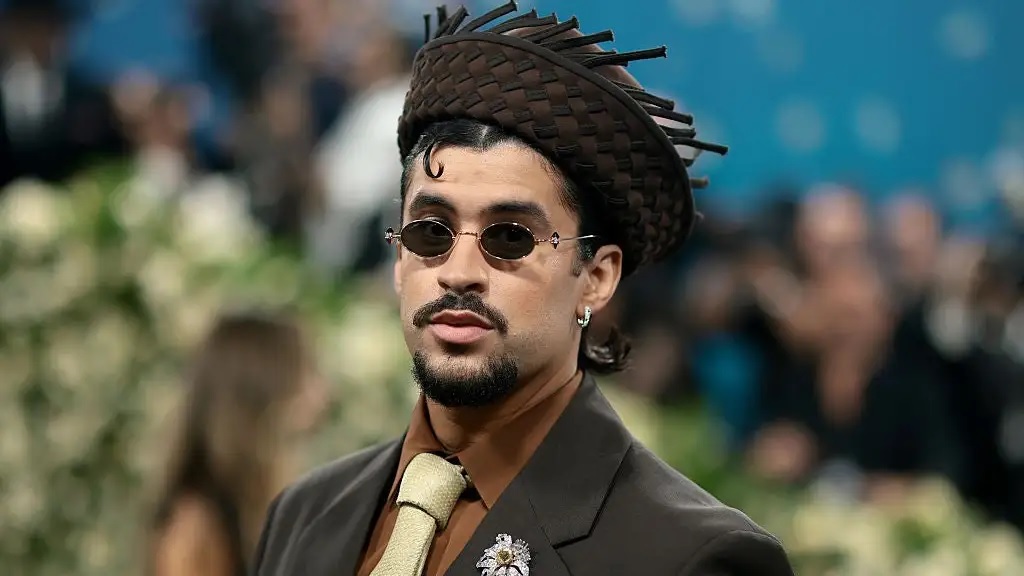
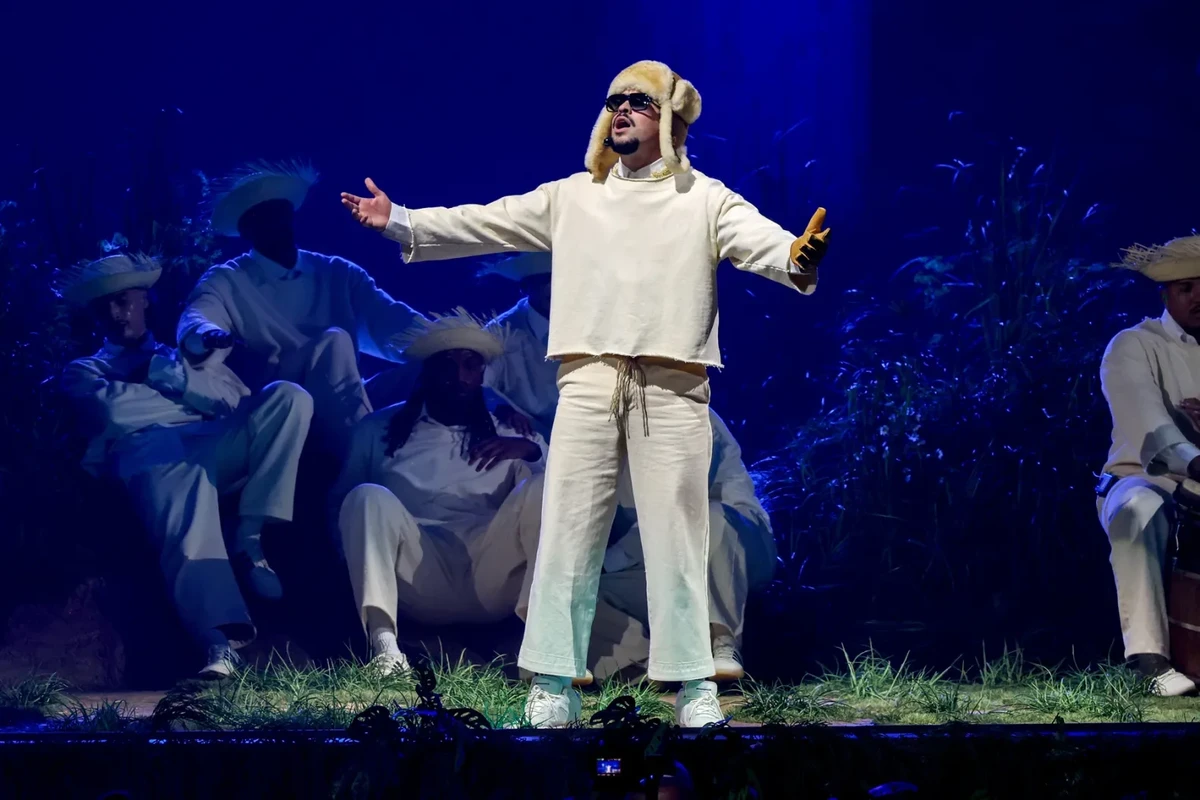
Bad Bunny has released a teaser for his Super Bowl halftime show that combines a dreamy, neon‑lit Puerto Rican landscape with a promise that “the world will dance.” The two‑minute clip shows the singer walking through a dark street as the hum of a generator comes to life. When he plugs in his custom sound system, the island glows in vivid pink and blue, a nod to the vibrant colors of San Juan’s nightlife. He sings “Baile Inolvidable” as the camera pans across shopkeepers, elders, teenagers and drag performers who emerge from their homes to join him. Dancers of diverse ages and backgrounds line up on cobblestones, linking arms and swaying to the beat. The trailer evokes Puerto Rico’s community festivals, where music, dance and food bring neighbors together after hurricanes and economic crises. Bad Bunny’s tagline that he wants everyone to dance is delivered with a smile; it feels like an invitation as much as a declaration.
The performer, whose real name is Benito Martínez Ocasio, is known for blending reggaeton, trap and salsa with political commentary. He has used his platform to criticise gender violence, colonial inequalities and corruption in his homeland. In the trailer, he wears a sequined blazer and sunglasses, but the focus is on the people around him. The cameo appearances emphasise solidarity across sexual orientation, gender and class. A young boy with a baseball bat, a woman sweeping her porch and an elderly couple holding hands all appear briefly, suggesting that the halftime show aims to represent the breadth of Latinx experiences. Towards the end, children gather on a rooftop under a moonlit sky as Bad Bunny’s voice echoes, “We come from the future, and we’re the present.”
Cultural significance and political undertones
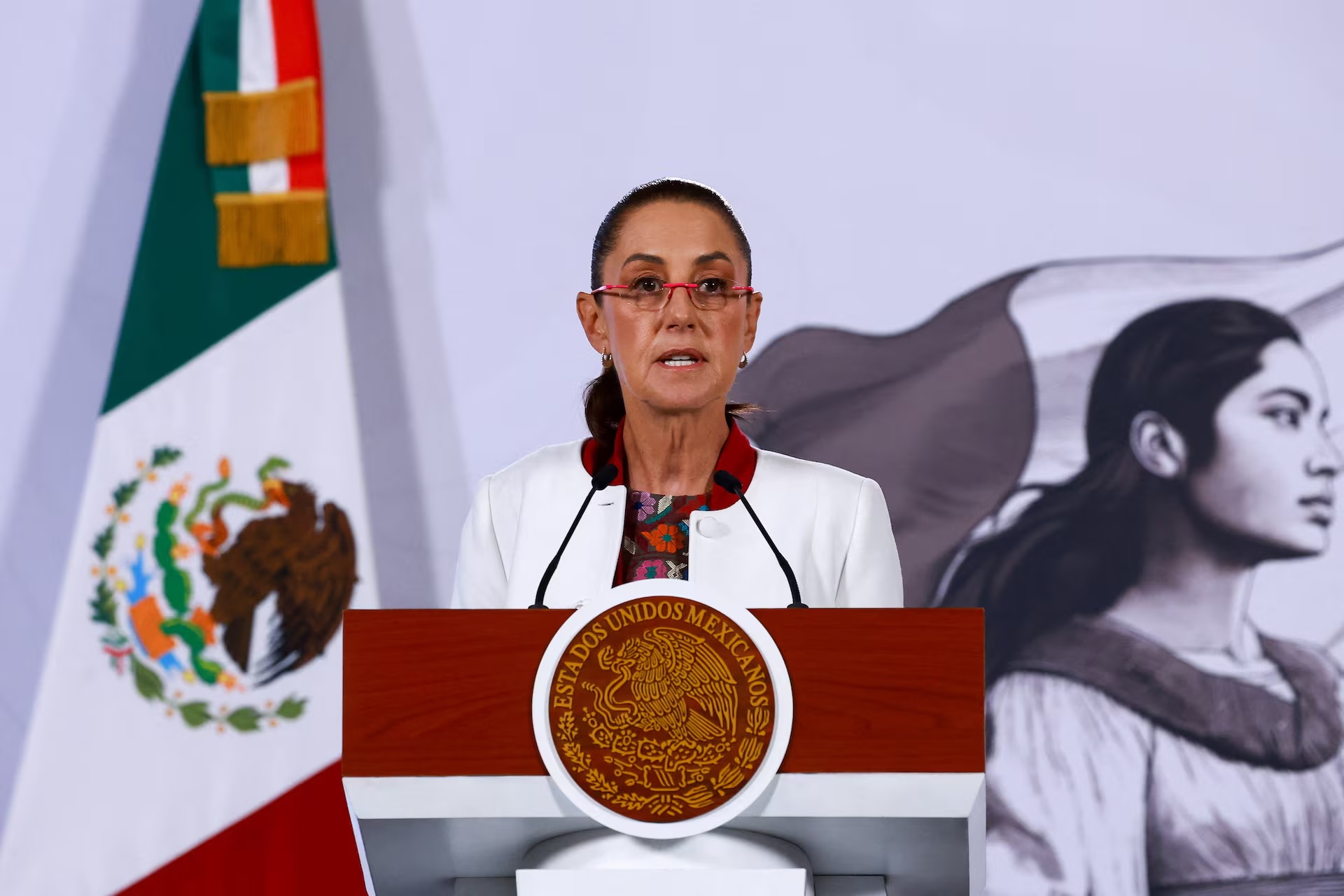
The video arrives amid debate over immigration enforcement and the role of entertainers in activism. Former U.S. president Donald Trump recently said he would send immigration agents to the Super Bowl if he returned to office, prompting backlash from civil‑rights groups and the National Football League. Bad Bunny has a history with this issue: he cancelled U.S. tours in 2020 and 2021 because he felt unsafe performing while Latino communities faced raids by Immigration and Customs Enforcement. His decision to headline the halftime show now – accompanied by a trailer that celebrates migrants and LGBTQ+ communities – is being read as a subtle challenge to nativist rhetoric. In one scene, a dancer holds up a sign reading “amor es amor” (“love is love”), while another waves a Puerto Rican flag.
Cultural critics note that the Super Bowl’s halftime stage, one of the most watched events worldwide, is a platform for artists to make statements about race, gender and politics. In 2016, Beyoncé’s dancers wore costumes inspired by the Black Panthers; in 2022, Dr. Dre and Snoop Dogg used the show to highlight West Coast hip‑hop. Bad Bunny’s performance may similarly draw attention to Puerto Rico’s colonial status and the resilience of its people after years of austerity and natural disasters. It also highlights the growing global popularity of Spanish‑language music; Bad Bunny’s albums have topped streaming charts, and he has collaborated with artists from pop star Taylor Swift to K‑pop group BTS.

Super Bowl organizers have hinted that the halftime show will feature guest artists, potentially including fellow reggaeton stars or crossover pop acts. Fans speculate that Puerto Rican rapper Rauw Alejandro or Dominican‑American singer Cardi B could join Bad Bunny on stage. The trailer’s infectious visuals have already been shared millions of times on social media, where fans post choreography and recipes for Puerto Rican dishes like mofongo. As anticipation builds, the musician’s message remains clear: the performance will be a celebration of community, creativity and the power of music to unite. Whether it also sparks political conversation will depend on how viewers interpret the imagery and whether politicians seize on it in the ongoing culture wars.