
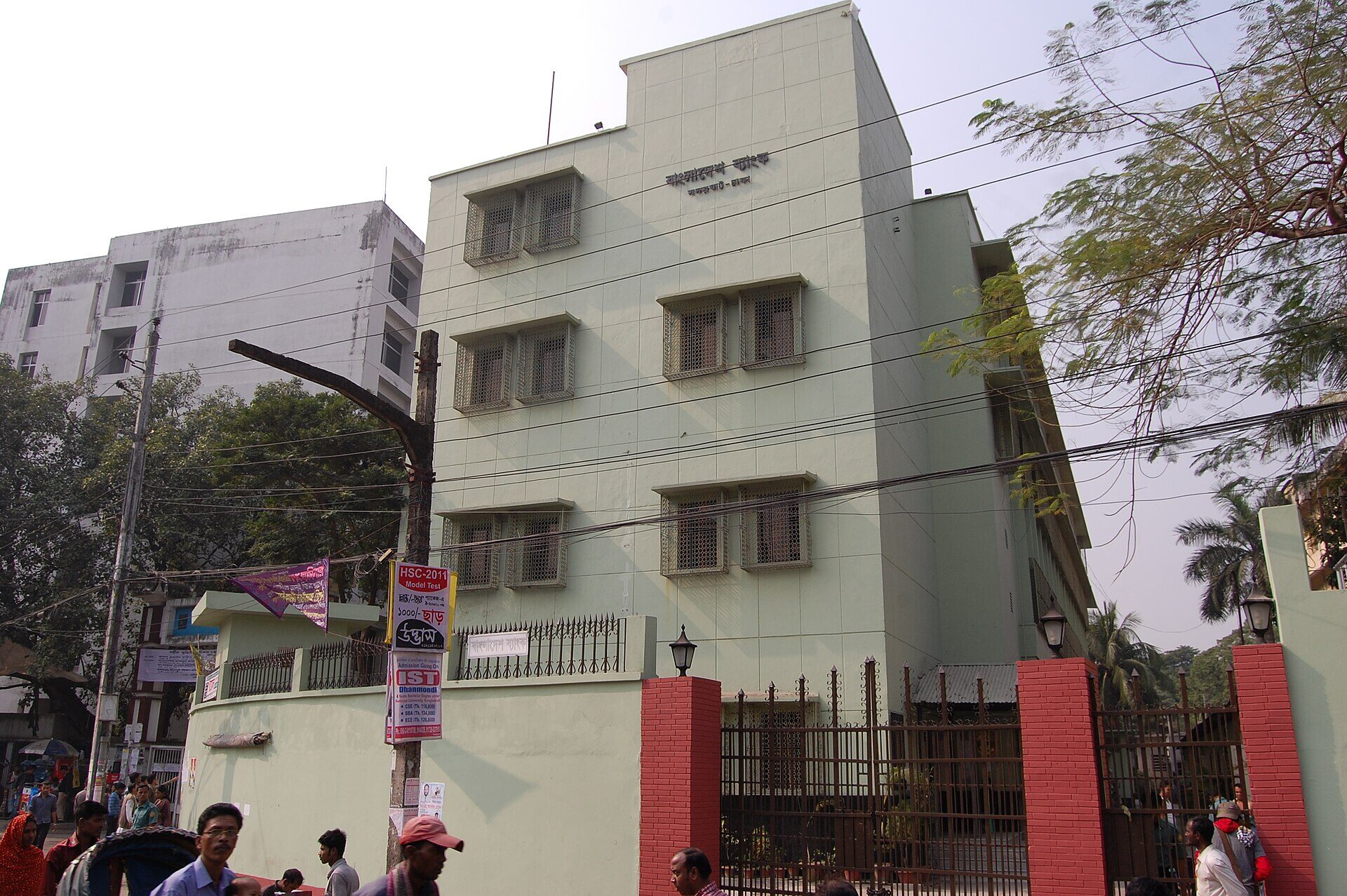
State-owned banks have increased their deposit collection over the span of a year, but have been able to disburse only a fraction of that extra money as loans. This picture emerged in a report by the Financial Institutions Division (FID) of the Ministry of Finance. The banks are Sonali, Janata, Agrani, Rupali, BDBL, and BASIC. In June, deposits in the six state-owned banks were nearly 11 percent higher compared to the previous year, but credit grew by less than one percent.
An analysis of the report’s data shows that deposits increased by nearly Tk 51,700 crore, while loans grew by only about Tk 3,000 crore. In the first six months of 2026, loans decreased by about 1.85 percent. In December 2025, the loan amount was Tk 3,28,806 crore. The report states that if interest added to loans were excluded, the loan growth would look even weaker.
How much banks are lending is measured by the advance-deposit ratio (ADR). This ratio indicates how much of every Tk 100 in deposits is given out as loans. The limit set by Bangladesh Bank is 85 percent. This ratio now averages around 60 percent across the six banks. Between December and June, the ADR of all six banks decreased. Sonali Bank has the lowest ratio at 48 percent, down from 58 percent previously. Janata Bank has the highest at 81 percent. The gap between the loans the banks could have given and what they actually disbursed increased by about 41 percent over the year, standing at nearly Tk 1,45,000 crore at the end of June.
State-owned banks hold 24 percent of the banking sector’s total deposits, yet they have provided only 19 percent of the sector’s total loans. The picture is the opposite for Islamic banks, where deposits stand at 17 percent while loans are 27 percent. Rupali Bank Chairman Md. Nazrul Huda said that a shortage of funds is not the problem in the banking system. According to him, economic uncertainty, high borrowing costs, and the cautious stance of banks have kept lending low. With fewer creditworthy customers, capital deficits, and pressure from provisioning, weak banks are now focusing more on recovery than on new loans. He also mentioned that officials want to play it safe out of fear of future accountability.
He stated that demand from a business perspective is also weak. Imports of machinery and raw materials have decreased, and uncertainty regarding the supply and prices of gas and electricity is discouraging investors. He also remarked that SME lending is lower due to a leaning toward large corporate clients.
FID Secretary Nazma Mobarek recently held separate meetings with top bank officials. According to the meeting minutes, she has asked banks to play a role in increasing production, investment, and employment. She directed them to increase lending to cottage, micro, small, and medium enterprises, farmers, women, and new entrepreneurs. In her view, since the ADR is below the limit, there is an opportunity to convert a portion of deposits into quality income-generating assets. However, credit standards should not be relaxed simply to raise the ADR. She also advised setting a target for each branch to identify at least two viable loan proposals per month.
Cottage, micro, small, and medium enterprise loans at the six banks decreased by 2 percent from December to June, dropping to about Tk 56,000 crore. Agriculture was an exception. In the 2025-26 fiscal year, the banks exceeded their agricultural loan targets, disbursing about Tk 4,000 crore, which is about one-tenth of the national target. Only BDBL fell behind in meeting its target.
More by Sarakhon Report
 Junior Scholarship Exams Begin December 8
 Urban Design Threatens Wildlife in Indian Cities
 12 Bangladeshi Cricketers Register for IPL 2027 Auction
 96% of E-Rickshaw Drivers Unlicensed in Dhaka, Barishal