10:48 am, Saturday, 9 May 2026

Raghu Rai, Bangladesh’s Liberation War, and Indira Gandhi’s Resolve


Swadesh Roy

I had the opportunity to meet Raghu Rai for the last time in 2013, when he came to Dhaka for his exhibition titled Bangladesh: The Price of Freedom at Bengal Gallery in Dhanmondi.

Even that day, most of our conversation revolved around Bangladesh’s Liberation War. It revolved around the refugee camps. I had seen those camps through the eyes of an immature age, while he had seen them with mature eyes. When one looks, one after another, at Raghu Rai’s photographs of the refugee camps that gave shelter in India to the people who fled in 1971, a large part of the full and terrible reality of those camps begins to emerge.

Even so, through his words, I tried, at least to some extent, to understand the emotions that had formed within Raghu Rai, the artist of the lens, around each photograph and each event. I tried to understand those images of death: of children, of the elderly, and of people stricken with various diseases. More than 1.5 million people, and by some estimates nearly 2 million, died in the refugee camps alone.
Photograph taken By Raghu Rai

At one point, the discussion turned to how, from December 4, he had entered Bangladesh with the Indian forces. In particular, he spoke of his desire to revisit the places in Jessore and Khulna where he had come under attack. While speaking of those places and those moments, he said, “In fact, your Bangladesh war was one of the world’s major wars fought within one of the shortest spans of time, and it was a war of victory marked by the overwhelming force of the victorious army.”

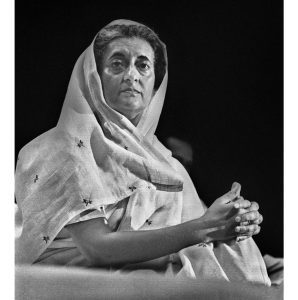
During that conversation, he repeatedly mentioned Indira Gandhi, Manekshaw, and Jacob. Only a few days earlier, I had met General Jacob in India, and so the discussion again returned to Jacob. But very soon, from there, Raghu Rai came back to Indira Gandhi. Through his words, many aspects of Indira Gandhi’s character became visible. Through his photographs as well, he had revealed many dimensions of the character of this world-renowned leader.

In any case, that very night I wrote an article on Raghu Rai’s exhibition. The title of the piece was Bangladesh: ‘Price of Freedom’: And An Exhibition of Raghu Rai. In that article, there was one line: “There are thousands of books in Bangladesh that describe the nine-month freedom struggle but basically there is no book on this 10 million people’s horrifying life of that period.”
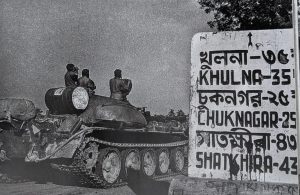
Photograph taken By Raghu Rai

After the article came to the attention of Bikash D. Niyogi, Managing Director of Niyogi Books, he sent me the book Bangladesh: The Price of Freedom by courier. In the letter he sent with the book, he quoted the above-mentioned line from my article and wrote that it seemed Raghu Rai’s book had escaped my notice. That was why he was sending me the book.

I once again thank Bikash D. Niyogi. Had he not sent me that book, I would not have had the opportunity to read Raghu Rai’s own brief foreword. The book also carries an introduction written by a Bangladeshi photographer. That introduction should not be confused with Raghu Rai’s foreword. In that introduction, the writer does not acknowledge Bangladesh’s Liberation War, 1971, Bangabandhu, or the Awami League. In truth, that introduction diminished the book; it diminished Bangladesh’s Liberation War; and even in its subject matter and choice of words, there was a kind of mockery of the sufferings of the refugees. Therefore, leaving that introduction aside, this book of photographs remains an extraordinary document.

What was new to me, however, was Raghu Rai’s own writing. And within that writing, one line: “Indira Gandhi’s bold decision.” Reading that single line, I felt that he had not merely photographed our Liberation War and the sufferings of the refugees. At the same time, I felt that when a legendary photojournalist takes a photograph of any event, he enters deeply into the event itself.
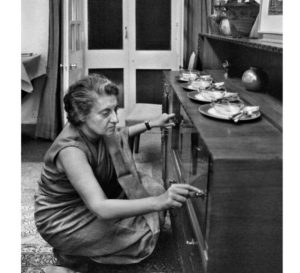
Photograph taken By Raghu Rai

That is why, later, I looked at Raghu Rai’s photographs of Indira Gandhi alongside his photographs of our Liberation War. It was then that I felt Raghu Rai had expressed the ultimate truth in one line: Indira Gandhi’s resolve. In politics and diplomacy, this resolve is essentially like the stamina of a player. One cannot play the 90 minutes of football that brings victory without possessing the stamina for 180 minutes. If one does not have the ability to bowl ten overs at a stretch, one cannot even bowl one over well. In every game, the fundamental matter is stamina.

In politics and diplomacy, too, the fundamental matter is this “stamina.” If one’s stamina runs out quickly, if one begins searching too soon for an immediate solution, the result turns against one’s own interest. Yet it is also true that not every politician in the world possesses this stamina. And for this stamina, it does not matter whether the state is small or large, rich or poor. History carries proof of that.
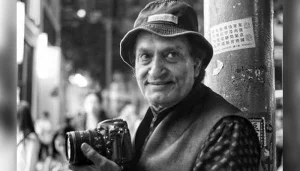
Raghu Rai

But recalling that history on the occasion of Raghu Rai’s death is not the subject of this article. Besides, Raghu Rai is a legend; I am not qualified to write about his photographs. Yet in the short foreword he wrote for his book, by using the word “resolve” in relation to Indira Gandhi, he revealed the character and leadership of the midwife of Bangladesh’s Liberation War just as powerfully as he did through his photographs. For this, any Bengali will pay him respect. That is to say, even in words, he was no less powerful than the lens of his camera.

The whole world knows Magnum photographer Raghu Rai. But we Bengalis do not merely know him. With him, there will forever remain a bond of love and a bond with the history of the birth of our country. He will live on among Bengalis, from one generation to the next.

Writer: Journalist recipient of the highest state award; Editor, SarakhonThe Present World.

05:39:00 pm, Wednesday, 6 May 2026

Raghu Rai, Bangladesh’s Liberation War, and Indira Gandhi’s Resolve

05:39:00 pm, Wednesday, 6 May 2026

I had the opportunity to meet Raghu Rai for the last time in 2013, when he came to Dhaka for his exhibition titled Bangladesh: The Price of Freedom at Bengal Gallery in Dhanmondi.

Even that day, most of our conversation revolved around Bangladesh’s Liberation War. It revolved around the refugee camps. I had seen those camps through the eyes of an immature age, while he had seen them with mature eyes. When one looks, one after another, at Raghu Rai’s photographs of the refugee camps that gave shelter in India to the people who fled in 1971, a large part of the full and terrible reality of those camps begins to emerge.

Even so, through his words, I tried, at least to some extent, to understand the emotions that had formed within Raghu Rai, the artist of the lens, around each photograph and each event. I tried to understand those images of death: of children, of the elderly, and of people stricken with various diseases. More than 1.5 million people, and by some estimates nearly 2 million, died in the refugee camps alone.

Photograph taken By Raghu Rai

At one point, the discussion turned to how, from December 4, he had entered Bangladesh with the Indian forces. In particular, he spoke of his desire to revisit the places in Jessore and Khulna where he had come under attack. While speaking of those places and those moments, he said, “In fact, your Bangladesh war was one of the world’s major wars fought within one of the shortest spans of time, and it was a war of victory marked by the overwhelming force of the victorious army.”

During that conversation, he repeatedly mentioned Indira Gandhi, Manekshaw, and Jacob. Only a few days earlier, I had met General Jacob in India, and so the discussion again returned to Jacob. But very soon, from there, Raghu Rai came back to Indira Gandhi. Through his words, many aspects of Indira Gandhi’s character became visible. Through his photographs as well, he had revealed many dimensions of the character of this world-renowned leader.

In any case, that very night I wrote an article on Raghu Rai’s exhibition. The title of the piece was Bangladesh: ‘Price of Freedom’: And An Exhibition of Raghu Rai. In that article, there was one line: “There are thousands of books in Bangladesh that describe the nine-month freedom struggle but basically there is no book on this 10 million people’s horrifying life of that period.”

Photograph taken By Raghu Rai

After the article came to the attention of Bikash D. Niyogi, Managing Director of Niyogi Books, he sent me the book Bangladesh: The Price of Freedom by courier. In the letter he sent with the book, he quoted the above-mentioned line from my article and wrote that it seemed Raghu Rai’s book had escaped my notice. That was why he was sending me the book.

I once again thank Bikash D. Niyogi. Had he not sent me that book, I would not have had the opportunity to read Raghu Rai’s own brief foreword. The book also carries an introduction written by a Bangladeshi photographer. That introduction should not be confused with Raghu Rai’s foreword. In that introduction, the writer does not acknowledge Bangladesh’s Liberation War, 1971, Bangabandhu, or the Awami League. In truth, that introduction diminished the book; it diminished Bangladesh’s Liberation War; and even in its subject matter and choice of words, there was a kind of mockery of the sufferings of the refugees. Therefore, leaving that introduction aside, this book of photographs remains an extraordinary document.

What was new to me, however, was Raghu Rai’s own writing. And within that writing, one line: “Indira Gandhi’s bold decision.” Reading that single line, I felt that he had not merely photographed our Liberation War and the sufferings of the refugees. At the same time, I felt that when a legendary photojournalist takes a photograph of any event, he enters deeply into the event itself.

Photograph taken By Raghu Rai

That is why, later, I looked at Raghu Rai’s photographs of Indira Gandhi alongside his photographs of our Liberation War. It was then that I felt Raghu Rai had expressed the ultimate truth in one line: Indira Gandhi’s resolve. In politics and diplomacy, this resolve is essentially like the stamina of a player. One cannot play the 90 minutes of football that brings victory without possessing the stamina for 180 minutes. If one does not have the ability to bowl ten overs at a stretch, one cannot even bowl one over well. In every game, the fundamental matter is stamina.

In politics and diplomacy, too, the fundamental matter is this “stamina.” If one’s stamina runs out quickly, if one begins searching too soon for an immediate solution, the result turns against one’s own interest. Yet it is also true that not every politician in the world possesses this stamina. And for this stamina, it does not matter whether the state is small or large, rich or poor. History carries proof of that.

Raghu Rai

But recalling that history on the occasion of Raghu Rai’s death is not the subject of this article. Besides, Raghu Rai is a legend; I am not qualified to write about his photographs. Yet in the short foreword he wrote for his book, by using the word “resolve” in relation to Indira Gandhi, he revealed the character and leadership of the midwife of Bangladesh’s Liberation War just as powerfully as he did through his photographs. For this, any Bengali will pay him respect. That is to say, even in words, he was no less powerful than the lens of his camera.

The whole world knows Magnum photographer Raghu Rai. But we Bengalis do not merely know him. With him, there will forever remain a bond of love and a bond with the history of the birth of our country. He will live on among Bengalis, from one generation to the next.

Writer: Journalist recipient of the highest state award; Editor, SarakhonThe Present World.