8:12 pm, Tuesday, 2 December 2025

LVMH SHIFTS FASHION POWER BY PUTTING DIOR CHIEF IN CHARGE OF KEY BRANDS
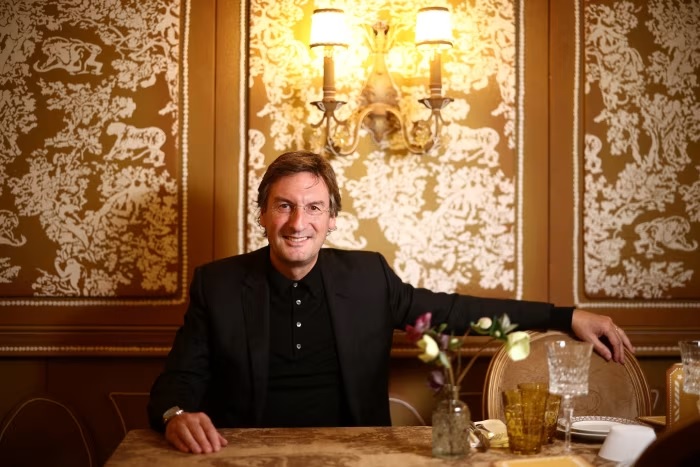
Sarakhon Report

Pietro Beccari to lead group’s fashion arm after Versace deal reshapes luxury map

Luxury powerhouse LVMH is shaking up its leadership structure by naming Dior boss Pietro Beccari as chair and chief executive of the group’s fashion division, a unit that oversees several of its most influential brands. The move comes as LVMH digests rival Prada’s takeover of Versace and faces intensifying competition at the top end of the market. Beccari, known for sharpening Dior’s image with blockbuster shows and high-profile collaborations, will now be responsible for steering a wider portfolio through a period of slower growth and shifting consumer tastes.

The leadership change underscores how fast the luxury landscape is evolving. After a decade of almost uninterrupted expansion fuelled by Chinese shoppers and post-pandemic revenge spending, high-end fashion is entering a more cautious phase. Consumers are trading down in some markets, and younger buyers are more selective about where they spend on handbags or couture. Against that backdrop, LVMH is trying to ensure its fashion brands feel distinct rather than overlapping, and that each label can withstand periodic slowdowns in key countries. Beccari’s track record at Dior—where he pushed both heritage and experimentation—made him an obvious candidate to take charge.
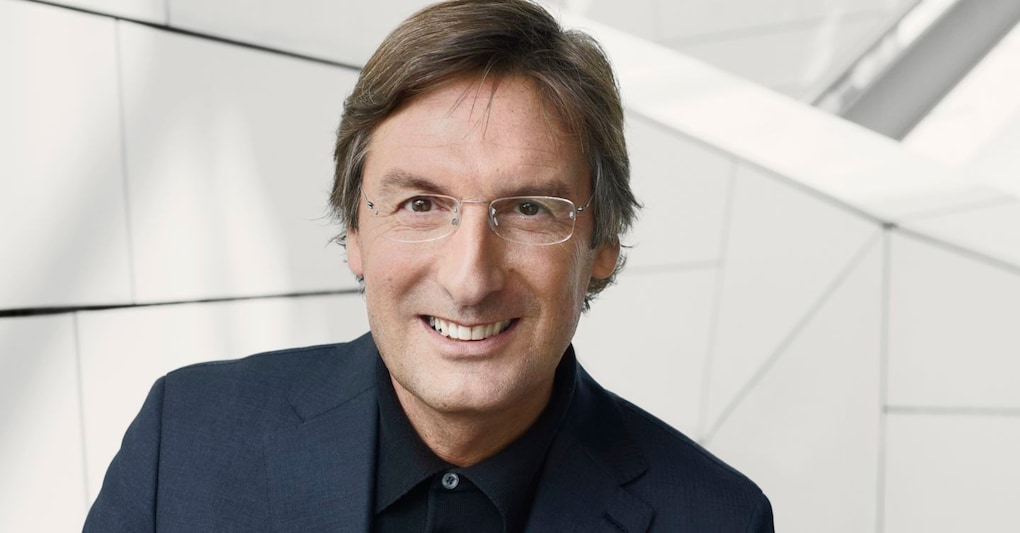
Lvmh, Pietro Beccari will be the new CEO and chairman of the world's  leading luxury group - Il Sole 24 ORE

His new role will involve delicate decisions about investment and storytelling. Some maisons may need fresh creative direction or a renewed focus on ready-to-wear collections, while others might double down on accessories and leather goods that deliver higher margins. There is also the question of how aggressively to grow in emerging markets without diluting exclusivity. LVMH has been expanding stores in cities from Seoul to Riyadh, but critics warn that overexposure can weaken the aura of rarity that underpins luxury pricing. Balancing accessibility with mystique is likely to be one of Beccari’s toughest challenges.

The broader industry is also watching closely as Prada completes its acquisition of Versace, a label known for its bold prints and pop-cultural presence. That deal, alongside earlier consolidation moves such as Capri Holdings’ planned sale and the continued rivalry between European groups, signals a new phase of clustering around a handful of global giants. For independent designers, this can mean fewer seats at the top table, but also potential opportunities as big groups look for fresh voices and niche brands to fill gaps in their portfolios. For shoppers, more consolidation may translate into smoother global experiences—but also more uniform pricing and tighter control over discounting.

Luxury, lifestyle and politics of taste

Management moves at LVMH may seem far removed from everyday concerns, yet they ripple through the wider lifestyle economy. Runway trends filter down into high-street fashion and social media aesthetics; the bags carried by celebrities shape aspirations of teenagers far from Paris or Milan. When a new executive takes charge of a group’s fashion strategy, it can change which silhouettes dominate next season or which cities get the most eye-catching store openings. In markets such as South and Southeast Asia, where rising middle classes are eager to signal status, these choices influence everything from wedding wardrobes to Instagram feeds.

Pietro Beccari Appointed CEO of LVMH Fashion Group | MarketScreener

There is also a sustainability dimension. Luxury groups have begun talking more loudly about traceable supply chains, recycled materials and repair services, but critics say progress is uneven and sometimes more marketing than substance. A powerful fashion chief can push maisons to standardise environmental reporting, invest in low-impact materials and reimagine repair not as an afterthought but as part of brand identity. Beccari’s decisions could therefore shape not only what hangs on boutique rails, but how those garments and accessories are made and how long they last.

For now, investors appear cautiously optimistic about the leadership reshuffle, viewing it as a sign that LVMH is planning for the next decade rather than reacting to short-term market jitters. Analysts note that having a strong, recognisable personality at the helm of the fashion group may help maintain creative momentum at a time when some rival houses have stumbled over designer changes. Yet they also stress that no single executive can insulate luxury from wider economic cycles; a slowdown in the United States or Europe will still be felt in flagship stores on Avenue Montaigne or Ginza.

On the shop floor, the transition is likely to be felt gradually rather than overnight. Sales associates will continue to pour champagne for top clients, arrange private viewings and cultivate WhatsApp relationships with loyal shoppers. Over the next few seasons, however, the mix of products on offer, the themes of campaigns and the choice of brand ambassadors may begin to bear Beccari’s signature. If he can combine Dior-style theatricality with a clear strategic vision across the group’s fashion labels, LVMH may strengthen its grip on the story of what luxury looks like in the late 2020s.

05:22:23 pm, Tuesday, 2 December 2025

LVMH SHIFTS FASHION POWER BY PUTTING DIOR CHIEF IN CHARGE OF KEY BRANDS

05:22:23 pm, Tuesday, 2 December 2025

Pietro Beccari to lead group’s fashion arm after Versace deal reshapes luxury map

Luxury powerhouse LVMH is shaking up its leadership structure by naming Dior boss Pietro Beccari as chair and chief executive of the group’s fashion division, a unit that oversees several of its most influential brands. The move comes as LVMH digests rival Prada’s takeover of Versace and faces intensifying competition at the top end of the market. Beccari, known for sharpening Dior’s image with blockbuster shows and high-profile collaborations, will now be responsible for steering a wider portfolio through a period of slower growth and shifting consumer tastes.

The leadership change underscores how fast the luxury landscape is evolving. After a decade of almost uninterrupted expansion fuelled by Chinese shoppers and post-pandemic revenge spending, high-end fashion is entering a more cautious phase. Consumers are trading down in some markets, and younger buyers are more selective about where they spend on handbags or couture. Against that backdrop, LVMH is trying to ensure its fashion brands feel distinct rather than overlapping, and that each label can withstand periodic slowdowns in key countries. Beccari’s track record at Dior—where he pushed both heritage and experimentation—made him an obvious candidate to take charge.

Lvmh, Pietro Beccari will be the new CEO and chairman of the world's  leading luxury group - Il Sole 24 ORE

His new role will involve delicate decisions about investment and storytelling. Some maisons may need fresh creative direction or a renewed focus on ready-to-wear collections, while others might double down on accessories and leather goods that deliver higher margins. There is also the question of how aggressively to grow in emerging markets without diluting exclusivity. LVMH has been expanding stores in cities from Seoul to Riyadh, but critics warn that overexposure can weaken the aura of rarity that underpins luxury pricing. Balancing accessibility with mystique is likely to be one of Beccari’s toughest challenges.

The broader industry is also watching closely as Prada completes its acquisition of Versace, a label known for its bold prints and pop-cultural presence. That deal, alongside earlier consolidation moves such as Capri Holdings’ planned sale and the continued rivalry between European groups, signals a new phase of clustering around a handful of global giants. For independent designers, this can mean fewer seats at the top table, but also potential opportunities as big groups look for fresh voices and niche brands to fill gaps in their portfolios. For shoppers, more consolidation may translate into smoother global experiences—but also more uniform pricing and tighter control over discounting.

Luxury, lifestyle and politics of taste

Management moves at LVMH may seem far removed from everyday concerns, yet they ripple through the wider lifestyle economy. Runway trends filter down into high-street fashion and social media aesthetics; the bags carried by celebrities shape aspirations of teenagers far from Paris or Milan. When a new executive takes charge of a group’s fashion strategy, it can change which silhouettes dominate next season or which cities get the most eye-catching store openings. In markets such as South and Southeast Asia, where rising middle classes are eager to signal status, these choices influence everything from wedding wardrobes to Instagram feeds.

Pietro Beccari Appointed CEO of LVMH Fashion Group | MarketScreener

There is also a sustainability dimension. Luxury groups have begun talking more loudly about traceable supply chains, recycled materials and repair services, but critics say progress is uneven and sometimes more marketing than substance. A powerful fashion chief can push maisons to standardise environmental reporting, invest in low-impact materials and reimagine repair not as an afterthought but as part of brand identity. Beccari’s decisions could therefore shape not only what hangs on boutique rails, but how those garments and accessories are made and how long they last.

For now, investors appear cautiously optimistic about the leadership reshuffle, viewing it as a sign that LVMH is planning for the next decade rather than reacting to short-term market jitters. Analysts note that having a strong, recognisable personality at the helm of the fashion group may help maintain creative momentum at a time when some rival houses have stumbled over designer changes. Yet they also stress that no single executive can insulate luxury from wider economic cycles; a slowdown in the United States or Europe will still be felt in flagship stores on Avenue Montaigne or Ginza.

On the shop floor, the transition is likely to be felt gradually rather than overnight. Sales associates will continue to pour champagne for top clients, arrange private viewings and cultivate WhatsApp relationships with loyal shoppers. Over the next few seasons, however, the mix of products on offer, the themes of campaigns and the choice of brand ambassadors may begin to bear Beccari’s signature. If he can combine Dior-style theatricality with a clear strategic vision across the group’s fashion labels, LVMH may strengthen its grip on the story of what luxury looks like in the late 2020s.