

Endangered Species to Watch in 2026 Include Snow Leopards and Marine Turtles

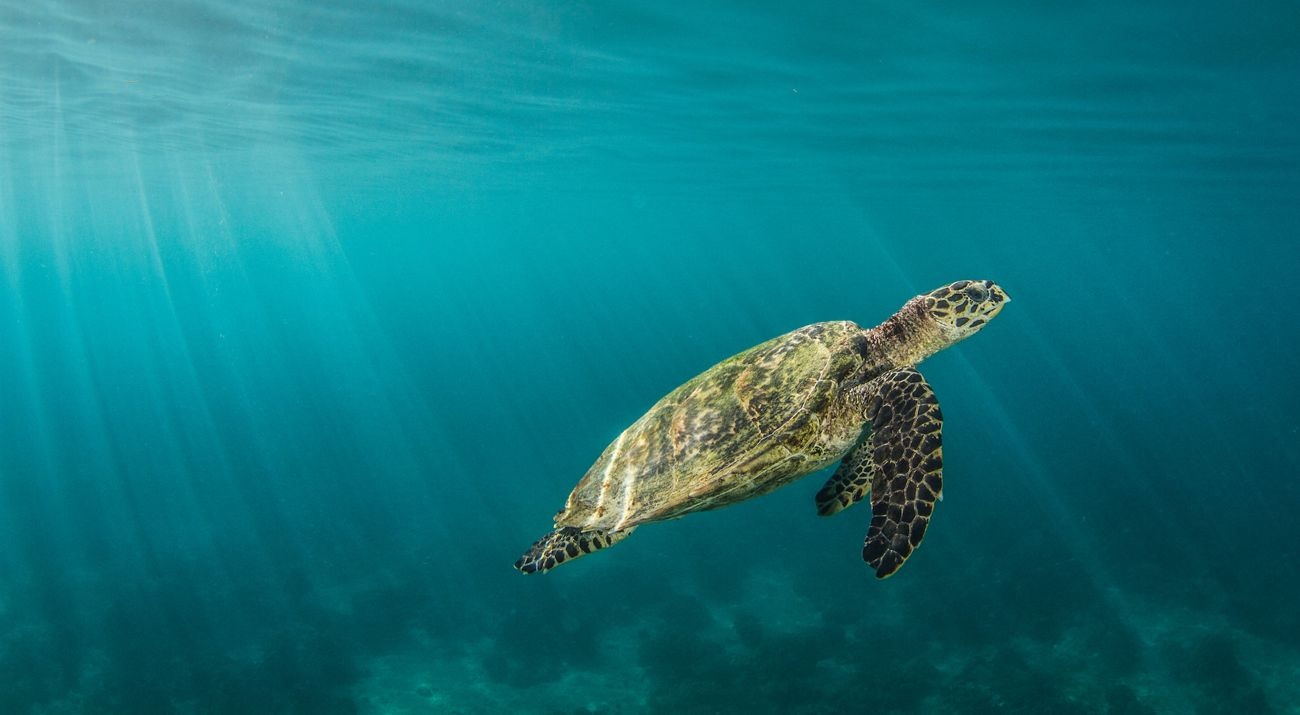
Conservation efforts focus on critical habitats
Wildlife conservation organizations have identified several species requiring urgent protection measures in 2026 as habitat loss and climate change accelerate extinction risks. Snow leopards in Central Asian mountain ranges face declining prey populations and increased conflict with livestock herders. Marine turtle populations across multiple ocean regions continue experiencing threats from fishing bycatch, plastic pollution, and coastal development that destroys nesting beaches. Conservationists emphasize that coordinated international action during this year could determine whether these species stabilize or slip further toward extinction.
The snow leopard population currently numbers between 4,000 and 6,500 individuals across twelve countries including Afghanistan, China, India, and Pakistan. These elusive cats inhabit high-altitude terrain where climate change is reducing snow cover and altering ecosystems that support their prey species such as blue sheep and ibex. Human-wildlife conflict increases as leopards occasionally prey on domestic livestock, prompting retaliatory killings. Conservation programs are working with local communities to implement better livestock protection methods and create economic incentives for coexistence.
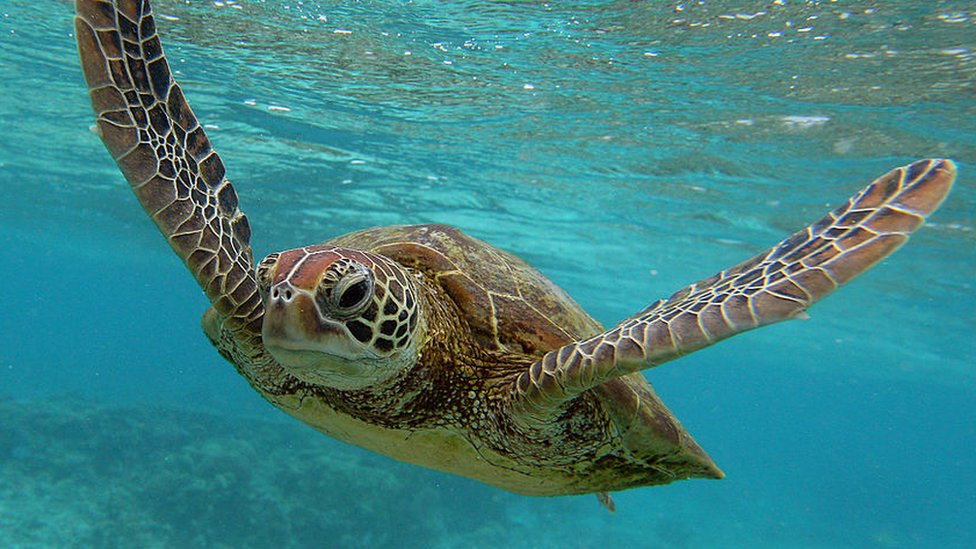
Marine ecosystems face multifaceted pressures
Six of seven marine turtle species are classified as threatened or endangered with loggerhead, green, and hawksbill turtles facing particularly severe population declines. These ancient reptiles that have survived for millions of years now struggle against modern threats that have emerged within recent decades. Fishing gear entanglement remains one of the leading causes of turtle mortality despite improved regulations in some regions. Plastic debris in oceans poses both direct ingestion hazards and habitat degradation.
Beach development and artificial lighting disorient hatchlings that rely on natural light cues to navigate toward the ocean after emerging from nests. Climate change affects turtle populations through multiple pathways including rising temperatures that skew sex ratios since turtle gender is determined by sand temperature during egg incubation. Warmer beaches produce more female turtles, creating demographic imbalances that threaten reproductive sustainability.

Conservation funding for both snow leopards and marine turtles remains inadequate relative to the scale of challenges. Protected area networks need expansion and better enforcement to provide safe habitat corridors. Research programs studying population dynamics and movement patterns require sustained support to inform effective management strategies. Public awareness campaigns aim to reduce demand for illegal wildlife products and encourage responsible tourism practices. Success stories from targeted conservation initiatives demonstrate that population recovery is possible when sufficient resources and political commitment align behind evidence-based protection measures.