
Message of Peace in an Age of Power: India Could Act as a Mediator Amid Rising Global Tensions

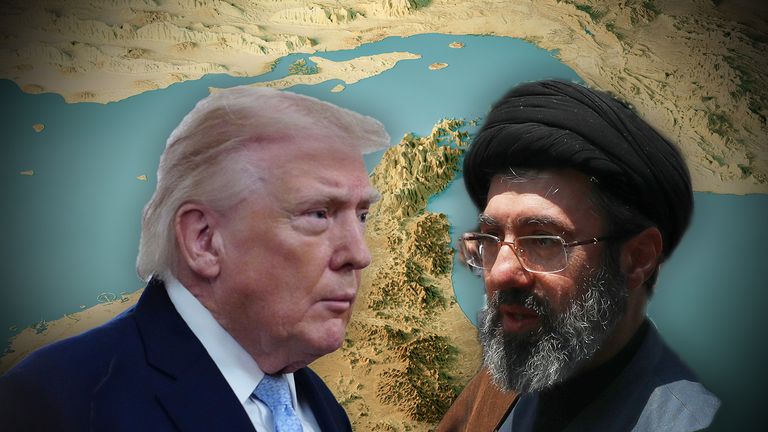
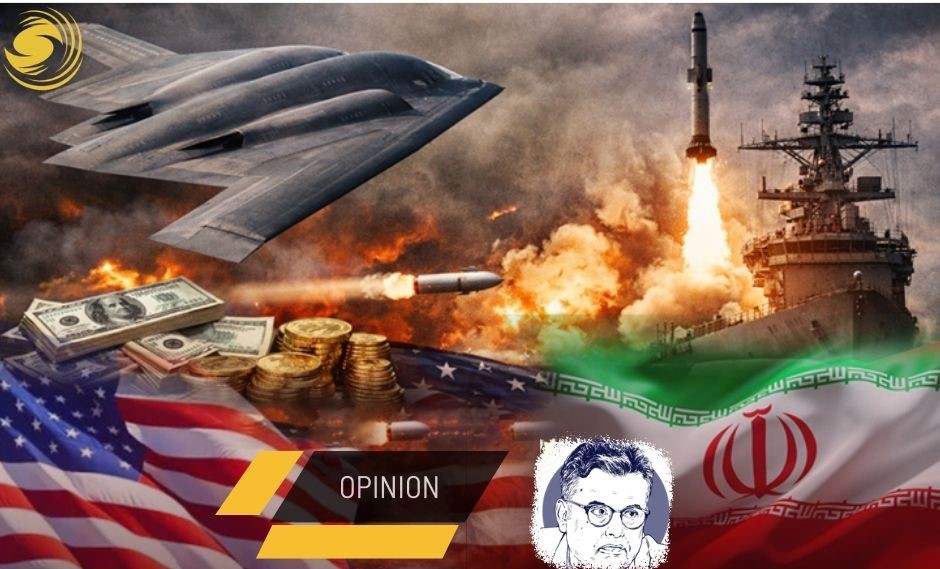
Recent global developments suggest that displays of power are once again becoming the dominant tool in international politics. Israel’s military strikes on Iran, carried out with the involvement of the United States, have further intensified the already volatile situation in the Middle East. What initially appeared to be a deterrent signal has now evolved into a coordinated military operation. As a result, the risk of a broader conflict is now both real and immediate.
However, this crisis is not limited to the Middle East alone. It reflects a broader transformation in global politics, where states are increasingly turning to open displays of power to protect their interests.
Post–Cold War Optimism Faces New Challenges
After the end of the Cold War, there was a widespread belief for nearly three decades that multilateral institutions, economic interdependence, and international law would restrain the behavior of major powers. The United Nations system and the global economic and trade frameworks were viewed as platforms that could manage rivalries within a rules-based order and reduce unilateral military tensions.
Yet current realities are challenging that assumption. The joint operations by the United States and Israel, the situation in Venezuela, pressure on Cuba, and rising geopolitical maneuvering across different regions all indicate a more difficult and competitive international environment.
States are increasingly focused on demonstrating their capabilities to safeguard national interests. Military strikes, economic sanctions, technological restrictions, strengthening alliances, and territorial signaling are becoming more common tools of statecraft.
Structural Forces, Not Just Individual Leaders
Such developments are often explained as the result of the behavior of specific leaders. For example, former U.S. President Donald Trump is frequently portrayed as a deviation from the traditionally stable trajectory of the international system.
History, however, suggests a different reality. Periods of institutional optimism are often followed by the return of power politics. When the balance of power shifts, when new powers rise, or when established powers reassess their positions, the use of hard power tends to re-emerge.
Leaders may accelerate these trends, but they are not their primary creators. The deeper cause lies in structural changes within the international system.
&imwidth=800&imheight=600&format=webp&quality=medium)
Power and Capability Shape Political Order
History repeatedly shows that military, economic, and technological strength are the main determinants of international politics. International norms and institutions remain important, but their effectiveness ultimately depends on power and credibility.
When a state believes its core interests are under threat, it rarely relies solely on procedural rules. Instead, it tends to take direct action to secure its national security.
The present moment therefore does not necessarily signal the collapse of the global order but rather its transformation. The post–Cold War belief that existing structures could indefinitely restrain power politics now appears overly optimistic. Displays of power are once again becoming a normal part of international relations.
A New Diplomatic Opportunity for India
Recognizing this reality does not mean endorsing conflict. Instead, it requires understanding shifting power dynamics and managing them responsibly.
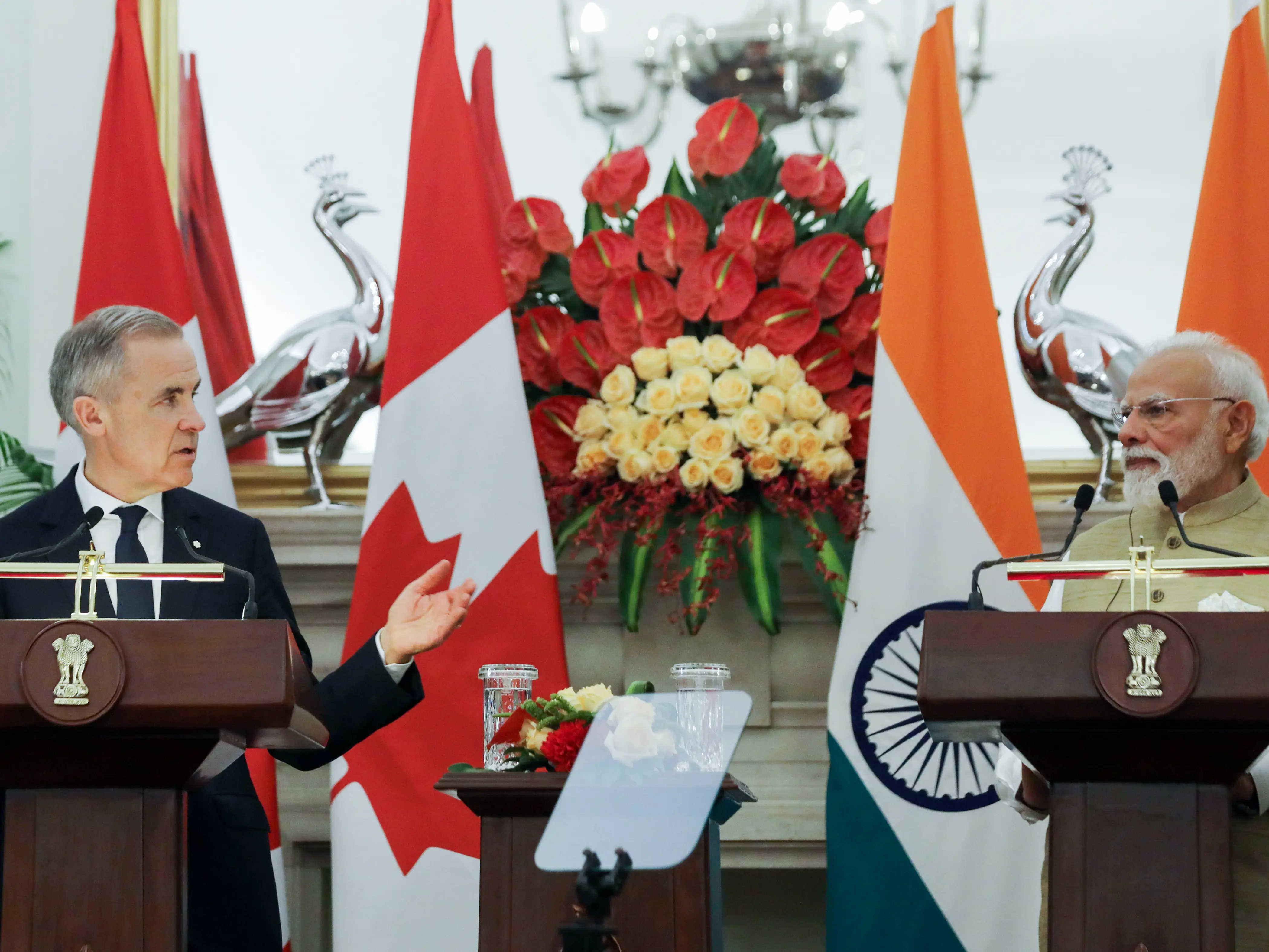
In this context, India’s role could become increasingly important. As a rising power, India follows a policy of strategic autonomy and is not tightly bound to rigid alliance politics. This allows it to maintain working relationships with competing powers while preserving the flexibility to make independent decisions.
India also enjoys credibility among both developing nations and advanced economies. This position creates an important diplomatic space for the country.
Building Bridges of Dialogue and Trust
In a power-driven international system, effective communication channels become even more essential. Dialogue platforms such as Track 1, Track 1.5, and Track 2 engagements can play a crucial role in this regard.
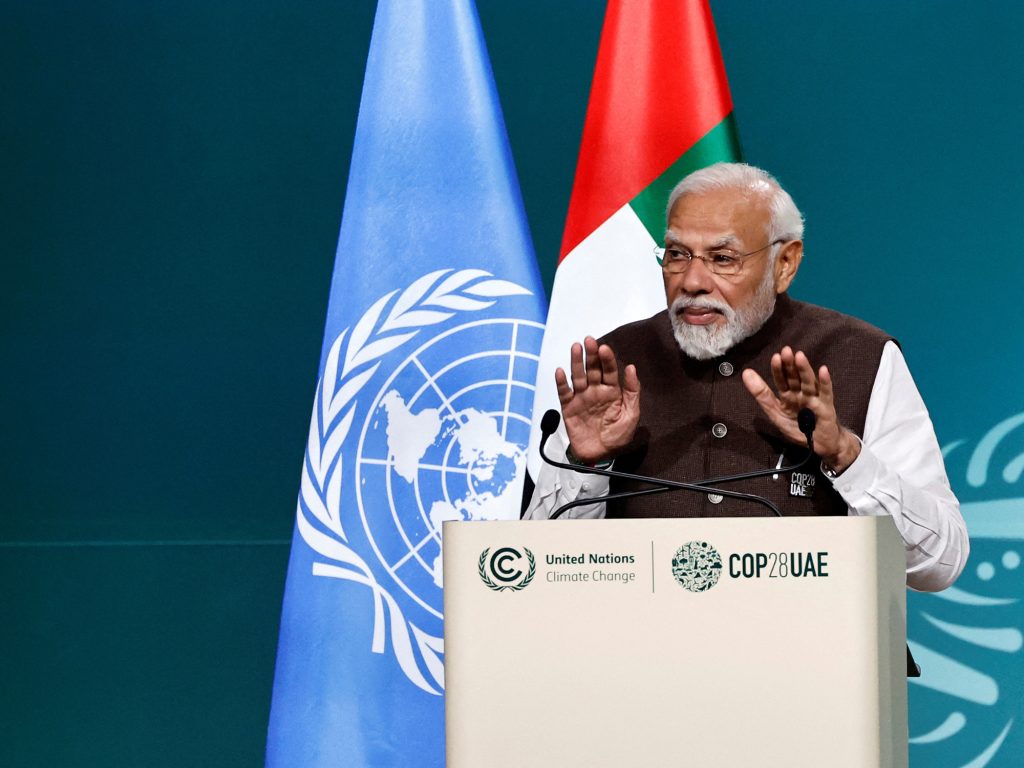
Such dialogues allow former diplomats, military officials, and strategic analysts to openly discuss sensitive issues that may not always be addressed in formal diplomatic settings. Through these discussions, potential tensions, boundaries, and confidence-building measures can be explored.
India could also appoint special envoys to quietly facilitate communication between rival states. The objective would not necessarily be to claim the role of a formal mediator but to reduce misunderstandings and prevent unexpected escalations.
Even small initiatives, if credible and sustained, can have a positive impact on the international environment.
The Question of Stability in Asia
For Asia, and particularly South Asia, the implications of these developments are significant. Economic growth, regional connectivity, and development depend heavily on a stable international environment.
If uncontrolled tensions among major powers spread, their effects could extend far beyond conflict zones and lead to broader economic and political disruptions.
History shows that periods of intense rivalry sometimes lead to prolonged instability, while at other times they produce a new balance of power. The outcome depends not only on demonstrations of strength but also on the willingness of states to invest in communication and dialogue.
Power has once again returned to the center of international politics. The challenge now is not to deny this reality but to manage it responsibly. In this evolving landscape, India occupies a position from which it can help initiate dialogue and potentially prevent a rapidly hardening world from slipping beyond control.